Jun 8, 2026
Diego Marcon’s The Bubble Boy at the AGO
Executive Director of The Vega Foundation and curator Julia Paoli interviews the Italian artist
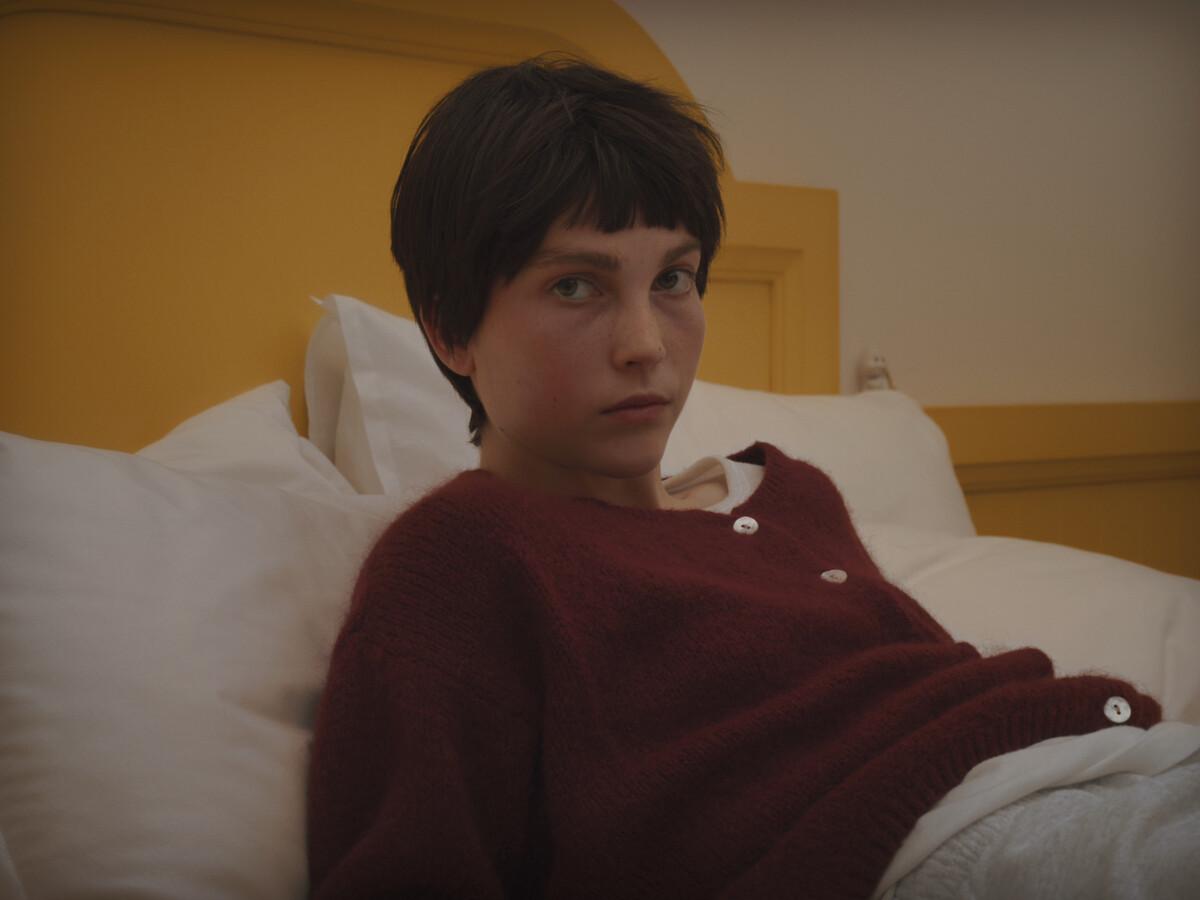
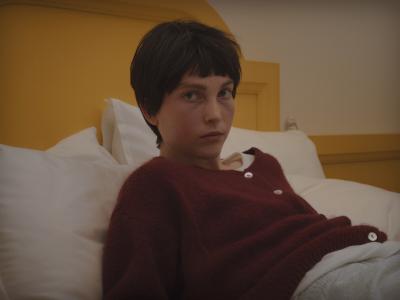
Diego Marcon. Krapfen, 2025 [still]. Digital video, 4 Minutes 44 Seconds. CGI animation, colour, sound © Diego Marcon. Courtesy the Artist, Sadie Coles HQ, London, and Galerie Buchholz, Berlin/Cologne/New York. Produced by Fondazione Sandretto Re Rebaudengo, Lafayette Anticipations, New Museum, The Renaissance Society, The Vega Foundation.
Diego Marcon's cinematic vision draws on Hollywood musicals, horror films, melodrama, and slapstick, to present films both unsettling and tender. Opening June 3 at the AGO, the acclaimed Italian artist will make his Canadian debut with the solo exhibition, Diego Marcon: The Bubble Boy.
Incorporating CGI, prosthetics, and robotics, Marcon achieves an uncanny quality in his films: images that feel artificial, yet strangely alive. At the centre of this installation is Marcon's newest work, Krapfen (2025). Set in a bedroom, the film describes a child tormented by four characters — a pair of gloves, a foulard, a pair of trousers, and a pullover — who insist the child should eat an apricot-jam-filled doughnut called a krapfen. Part musical, part neurotic carousel, the objects hector the child as they swirl around in a choreographed dance, set to a score composed by Federico Chiari.
The exhibition is organized by the AGO and The Vega Foundation. The exhibition is curated by John Zeppetelli, Guest Curator, and Julia Paoli, Director and Curator, at The Vega Foundation, with Kate Whiteway, Assistant Curator.
Before the exhibition’s opening, Paoli sat down with Marcon for an in-depth discussion about The Bubble Boy and his practice at large.

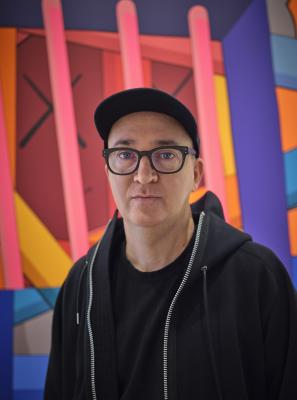
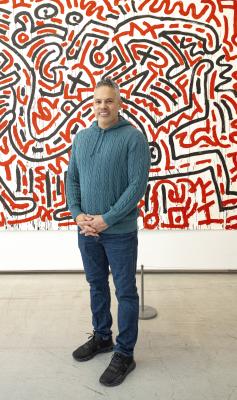
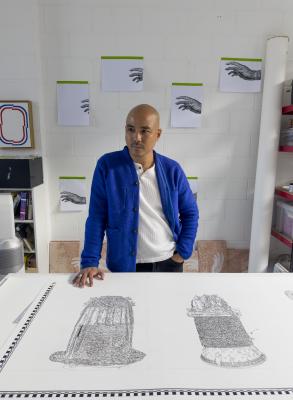
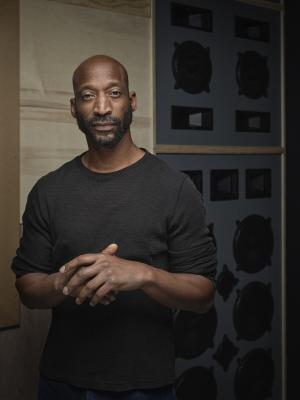
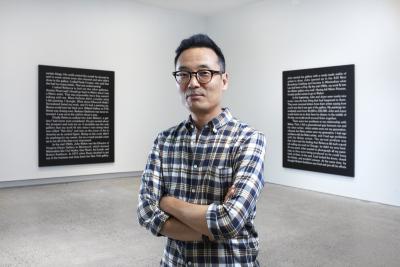
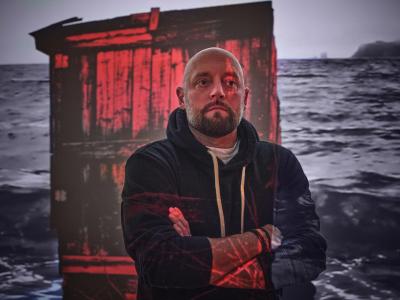
Diego Marcon. Photo: Craig Boyko © AGO.
Julia Paoli: Your moving image works often reference tropes and techniques from beloved, popular entertainment forms of the 20th-century (and earlier), including the music and libretto of Italian opera, the humour and movement of American golden age of cartoons, or the emotional unease of psychological horror films. You’ve often spoken about your interest in how these genres manufacture and manipulate emotions. What interests you in these references? How do you play with, appropriate, and subvert them in your works?
Diego Marcon: I love being moved. These films and genres move me. I love to laugh, to feel really scared, or to cry, and these movies can do that. It’s rare to see people laughing, screaming, sighing, or crying in exhibitions, in front of artworks. I would like that to happen.
I feel that much of our life has moved into a sentimental dimension lately. Politics too—look at the rise of populism, the language spoken by the right wing around the world, but also the cheap rhetoric of parts of the so-called progressive left. I think it’s important, then, to engage on an emotional and sentimental level.
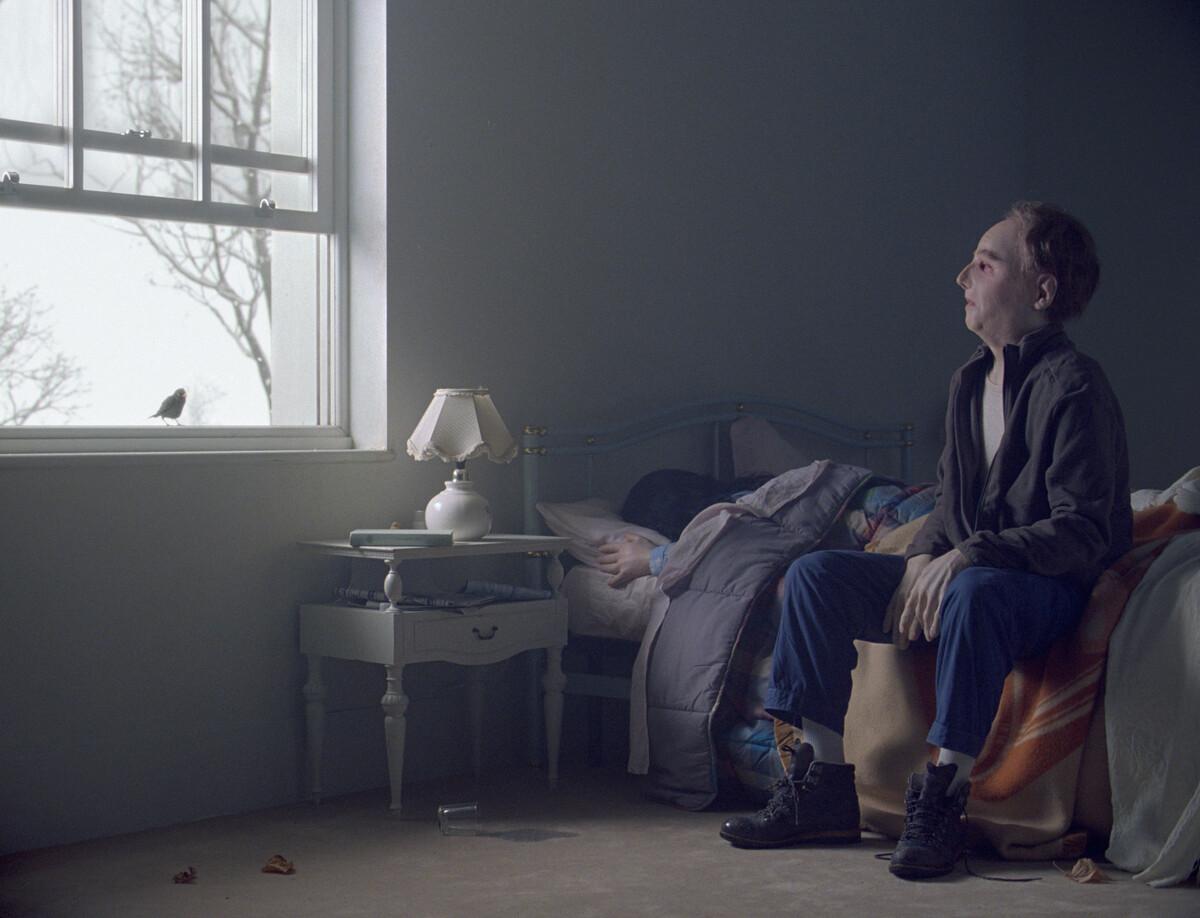
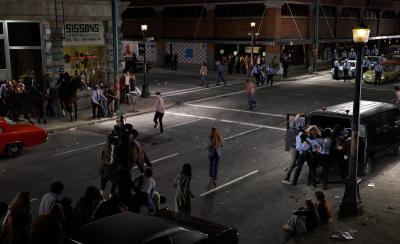
Diego Marcon. The Parents' Room, 2021 [still]. Digital video transferred from 35mm film, CGI animation, colour, sound, Running Time: 6 Minutes, 23 Seconds. © Diego Marcon. Courtesy the Artist and Fondazione Donnaregina per le arti contemporanee, Naples. Supported by Italian Council (2019)
The exhibition includes four works; three of which are films that take place inside the space of the family home. What is it about the space of the domestic that interests you as sites for your works?
There is a beautiful little video work by Italian artist Giulia Piscitelli titled “Untitled 97”. It’s a two-minute video in which the artist, with a low-quality camcorder, explores what looks like the basement of a house. It’s full of piled objects and stuff, until the lens sinks into a piece of fabric thrown somewhere there. It’s very simple, yet very poignant. I feel there is no need for me to look so far, one look in the cellar.
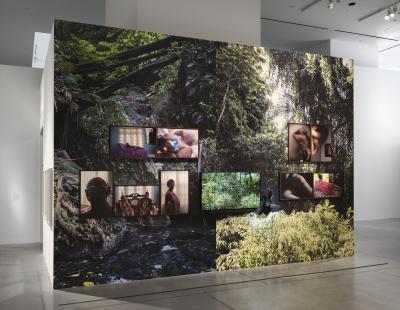
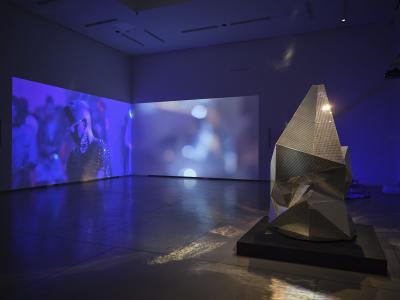
The installation environments that you create are always so carefully calibrated – often using theatrical conventions like lush curtains, carpeting, cinema seating, and so on. In this exhibition, you’ve chosen to dress the three main rooms in the same colour scheme, but each room has its own texture. How do you think about the environments for viewing your works in a gallery? What do you try to create in terms of atmosphere / what affects are interesting for you?
Even though I work with cinema, I am not interested in storytelling. But creating exhibitions for me is like working on a dramaturgy. It becomes a second layer of the film. I approach the exhibition itself through scenography, light, sound, choreography, and editing. These are all the elements that interest me while working on exhibitions and shaping their displays.
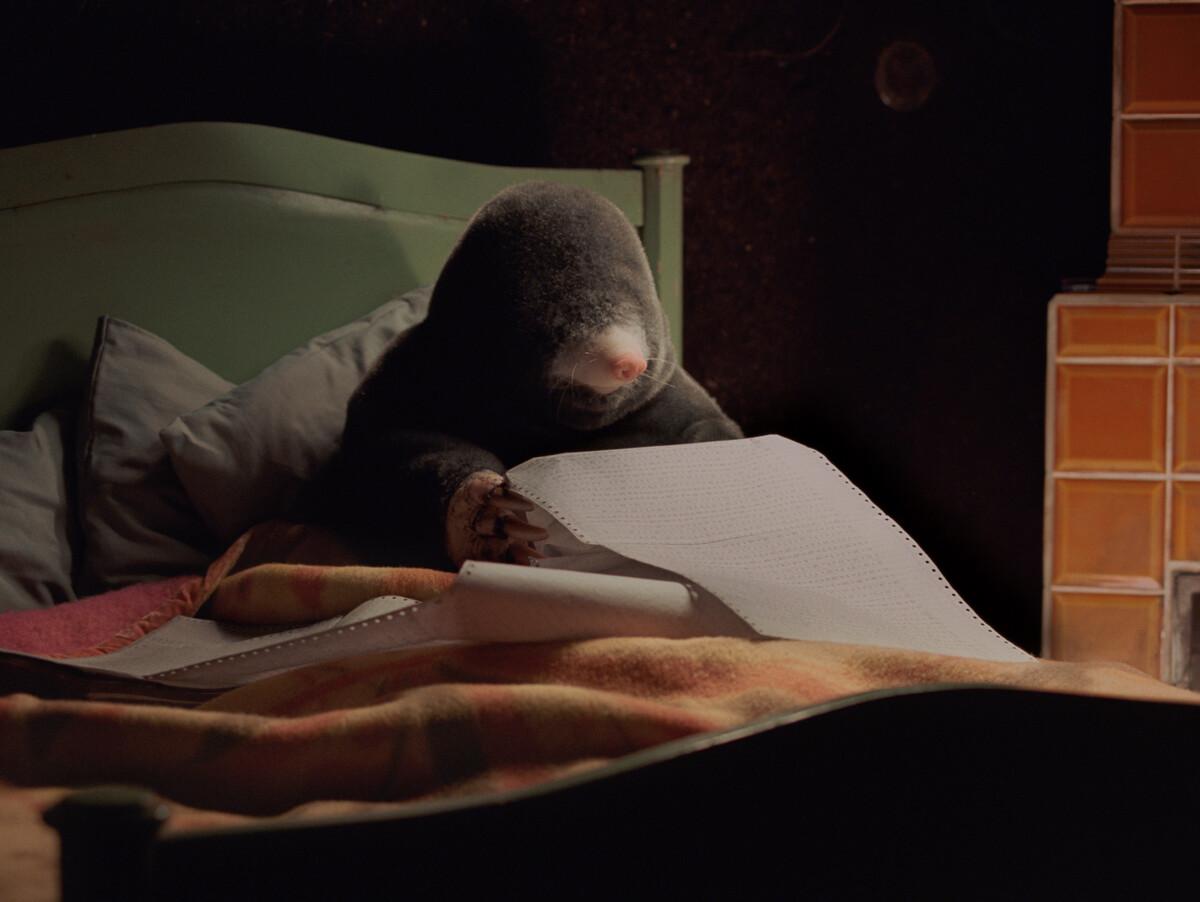
Diego Marcon. Dolle, 2023 [still]. Digital video transferred from 35mm film, CGI animation, colour, sound, Running Time: 29 Minutes, 32 Seconds © Diego Marcon. Courtesy the Artist and Sadie Coles HQ, London. Produced by Centro per l’arte contemporanea Luigi Pecci, thanks to PAC2021 – Piano per l’Arte Contemporanea. Promoted by Direzione Generale Creatività Contemporanea del Ministero della Cultura.
Many of your works unfold in loops, with actions, gestures, songs, or emotional states repeating again and again. In some cases, the repetition creates a sense that we are waiting for something to rupture or break. In other instances, it can produce tenderness or unease. What interests you about the loop as a structure, and how does repetition impact our experience of time and emotion within your works?
It’s very natural for me to work with the looping structure. Films stand like objects, or three-dimensional pieces. They inhabit the space regardless of any audience; they play forever.
This exhibition is the first presentation of your work within a large encyclopedic museum context. What interests you about placing your contemporary practice in dialogue with an institution like the Art Gallery of Ontario and its historical collection? Can you talk a bit about why you chose to include a historical painting from the collection – The Bubble Boy by Paul Peel – in the space of your exhibition?
While visiting the site, I was amused to see that the gallery that would host my exhibition was previously filled with sentimental paintings, portraying children, pastoral scenes, and vignettes. It felt very natural and immediate to swap one of these works with one of my films, creating a kind of cross fade–a gentle transition between two different spaces that nevertheless share something in common.
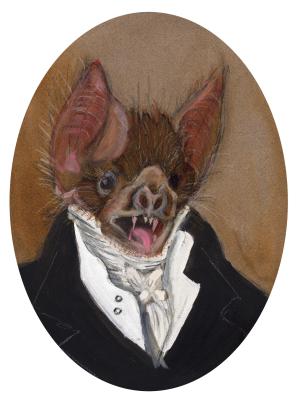
I chose The Bubble Boy because it’s cute. And also, because I thought it was fun to imagine that I, too, could be a bubble boy, and my films bubbles: shiny, slippery, rounded, inflated and vanishing.
Diego Marcon: The Bubble Boy is on view now through October 4 in the Philip Lind Gallery (galleries 131 and 132) on Level 1 of the AGO.
Contemporary programming at the AGO is supported by