Feb 18, 2026
Paul McCartney, Beatlemania and Photography
Rarely seen photographs by McCartney go on view at the AGO in February 2026
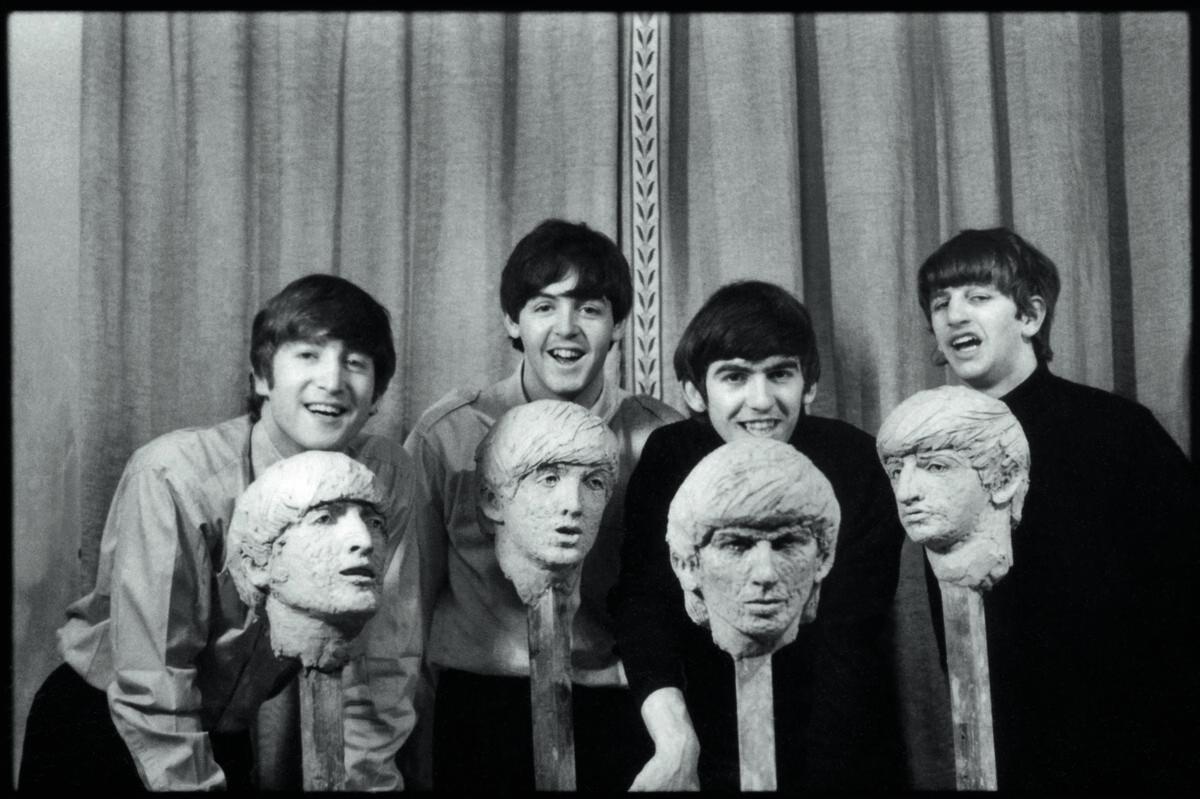
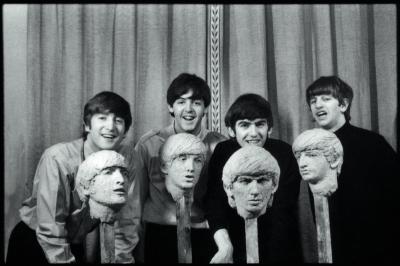
The Beatles with clay portrait busts by David Wynne, 1964 © 1964 Paul McCartney under exclusive license to MPL Archive LLP
“I'm happy to just be thought of as an occasional photographer who happened to be in the right place at the right time.” – Paul McCartney
Between December 1963 and February 1964, The Beatles catapulted from a British sensation to a global phenomenon. Amid this meteoric rise, Paul McCartney picked up a camera, capturing the world from inside the storm as he experienced it.
These rarely seen images give a glimpse into what it was like to be a ‘Beatle’ at the start of ‘Beatlemania’ – and adjusting from playing gigs on UK stages, to performing to 73 million Americans on The Ed Sullivan Show.
Opening February 18, 2026, at the AGO, from McCartney’s personal archive and the National Portrait Gallery, London, England, comes Paul McCartney Photographs 1963-64: Eyes of the Storm. Featuring more than 250 intimate and historic photographs, shown alongside video clips and archival materials, the exhibition captures both the intensity of The Beatles’ touring schedule and the energy of the era, as well as more intimate views of his bandmates John Lennon, George Harrison, and Ringo Starr.
In the exhibition’s 26-stop audio guide, visitors can listen to McCartney’s personal reflections about selected works along with behind-the-scenes information and commentary from National Portrait Gallery curator Rosie Bradley and archivist Sarah Brown.
Presented by Bloomberg Connects, a free digital app, the audio guide will be available for AGO visitors beginning February 18. Here are insights from McCartney taken from the audio guide.
McCartney introduces the exhibition
I think the value of these pictures is historical. I'm not setting out to be seen as a master photographer. Although, I think they're pretty good. I'm happy to just be thought of as an occasional photographer who happened to be in the right place at the right time.
I [had] an archivist called Sarah Brown, who [worked] with me at our company. And she was mainly looking at the work and archiving the work of Linda [McCartney]. One day, during a meeting about Linda's photography, I happened to say to Sarah: 'Hey, you know, I took some pictures in the 60s, I wonder if we have them still'. And she said: 'Yes, you do.'
She had relationships with a lot of galleries, including the National Portrait Gallery, where Mary had done some work. And she said they'd like to look at them. So, it went from me rediscovering these old pictures to them looking at them, and they liked them.
It was wonderful because it took me right back to the period and my relationships during that period with various people - The Beatles, my then-girlfriend, Jane Asher, and other people who [were] in my life at the time. So, it was a surprise. It was a very warm surprise, to go back so far in what were almost family snapshots of mine.
Originally, we were just kicking around titles, and I thought Eye of the Storm, because just singular, because The Beatles were at the eye, in the eye of their own self-made storm. But, as we looked at the pictures, I thought, well, it's more eyes of the storm. Because there wasn't just one moment, there were plenty of moments when we were at the centre of a storm.
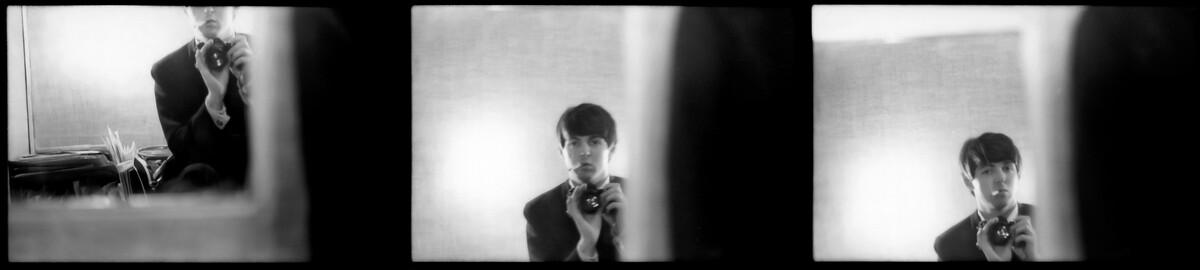
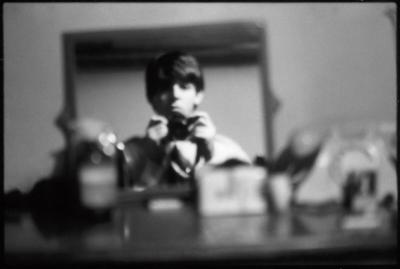
Paul McCartney, Self-portraits in a mirror, Paris, January 1964 ©1964 Paul McCartney under exclusive license to MPL Archive LLP
McCartney discusses his first experience with photography
I've always been interested in images from the very first days when our family had a little box camera. When I went on holiday with my family to a holiday camp in Wales, in Pwllheli, Wales. I borrowed the camera for a day and just took some photographs for memories of that trip, which I enjoyed a lot. I would pose and ask my brother to take a picture of me outside the hot dog store, which, you know, in England, you didn't really have hot dog stores. So, it was kind of, it was an American influence. And so, we used the cameras to take pictures of each other. From those very early days, I always enjoyed looking at good photography.
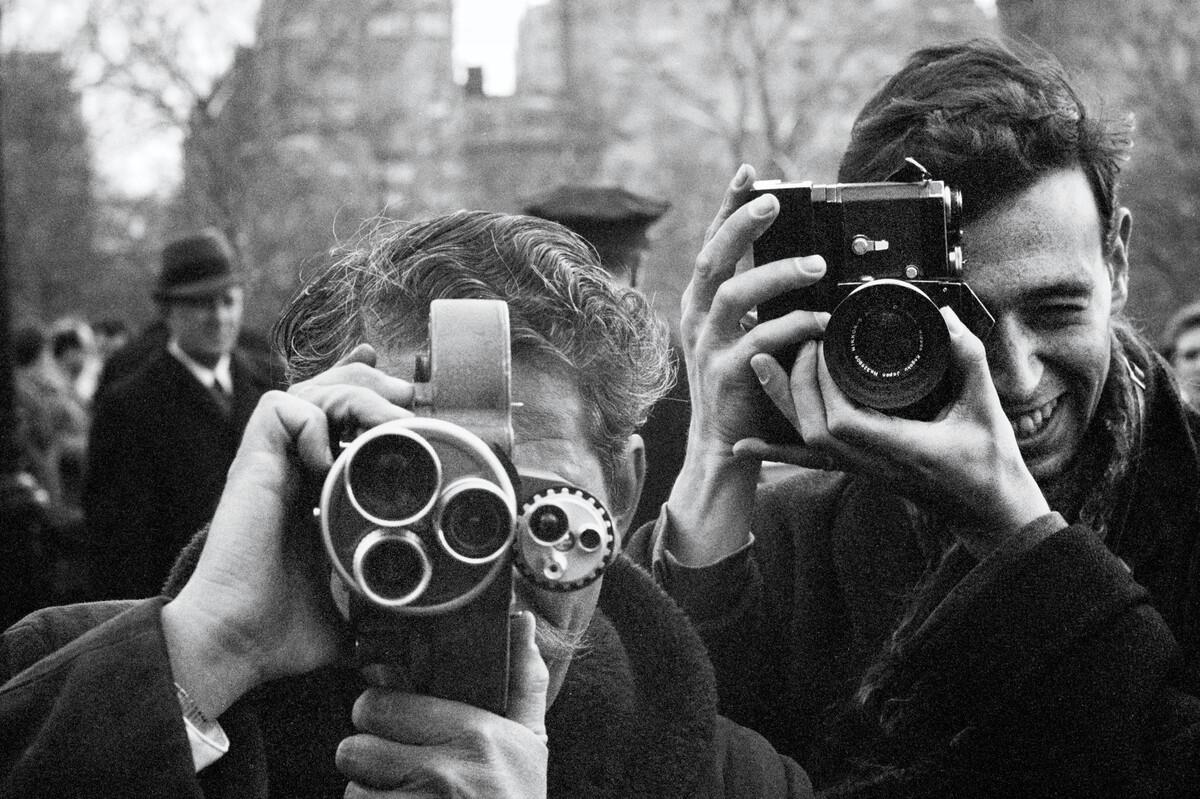
Paul McCartney, Photographers in Central Park. New York, February 1964 © 1964 Paul McCartney under exclusive license to MPL Archive LLP
The logistics of taking photographs on tour
I mean, what you would do, you'd carry your camera around with you, and you would snap most of the pictures yourself. But if you were going to be, for instance, photographed by press photographers, you didn't want to have your camera there, so you would just give it to your road manager and just sort of say, ‘Here, you know, why don't you take a couple of pictures of this, us with the press photographers.’ Often, you handed your camera off to someone who's standing nearby who wasn't going to be in the pictures and just ask them if they would record this event for you.
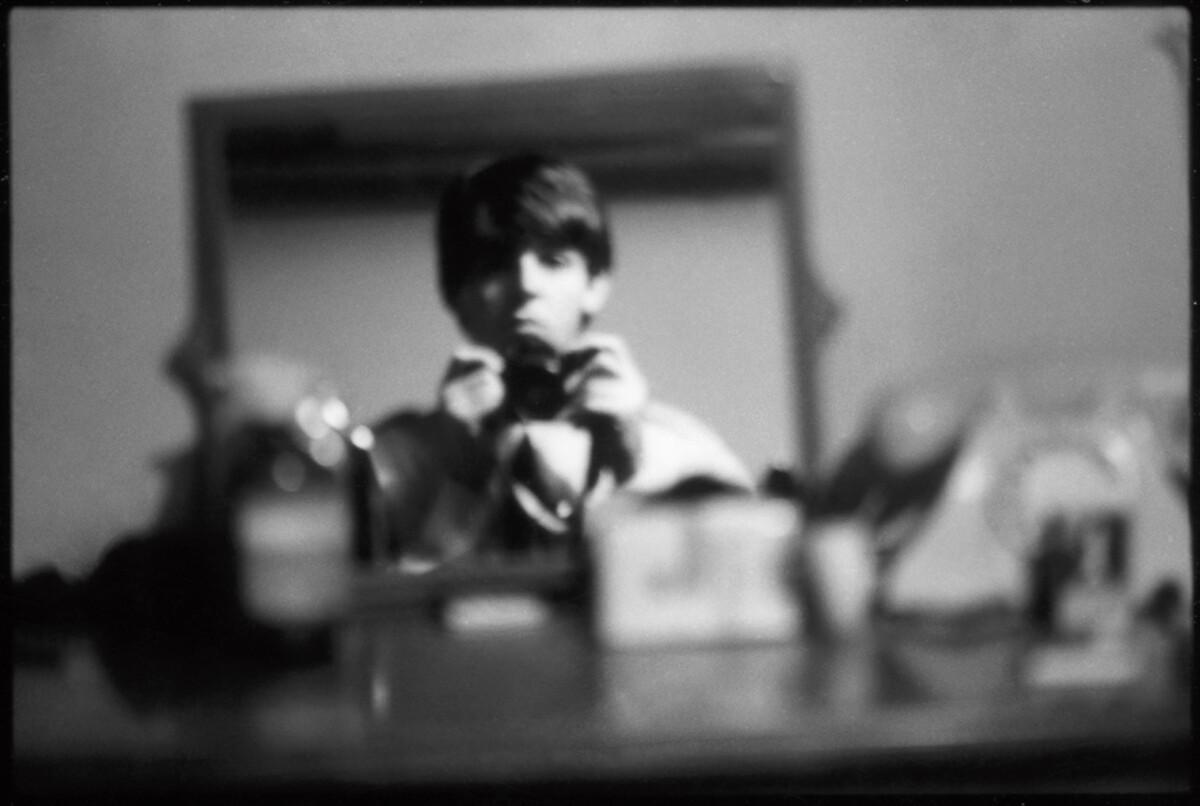
Paul McCartney, Self-portrait, 1963 © 1963 - 1964 Paul McCartney under exclusive license to MPL Archive LLP
What it was like rising to fame in a pre-social media world
That was ‘round about when we started to become well-known. And, I often say to people, one of the things that I think helped us was that we had a staircase to the stars. A lot of people these days are discovered, and overnight, they're an international sensation because of social media and because of the internet. We were a nothing little group, and then we were a nothing little group in Hamburg. But we started to learn how to do it. Learn more songs, learn how to entertain people. When we got back to England, we could branch out, and we could now play larger places. We could play in theatres, we could do TV work.
All these little steps on the staircase, I think, were very helpful because each time you learned how to take a step, which made the next step easier. And it prepared you for the top of the staircase, which was to come. Those kind of things were beginning to happen. We were getting invited to be on television, and that, of course, increased your fame quite rapidly, because, then particularly, everyone watched television. On a Saturday night, it could be guaranteed that people would be sitting around watching their televisions. Our fame increased quite rapidly with that.
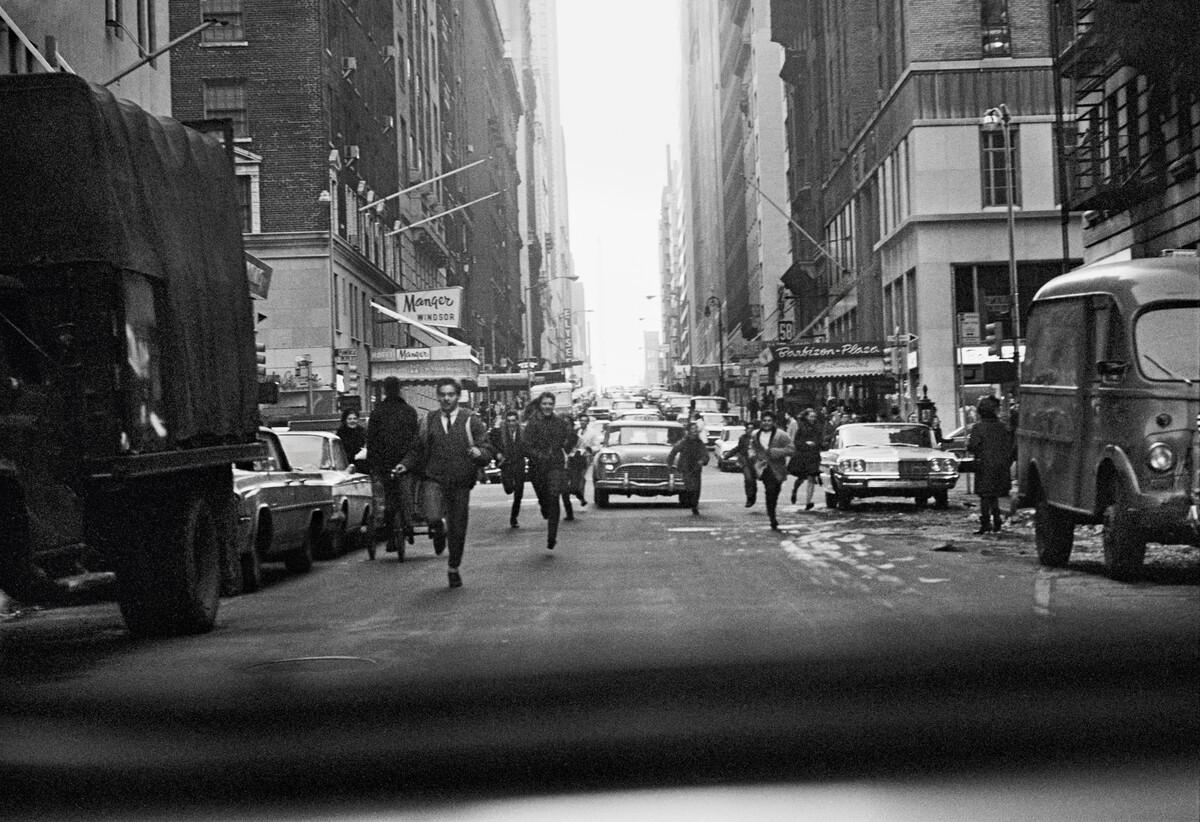
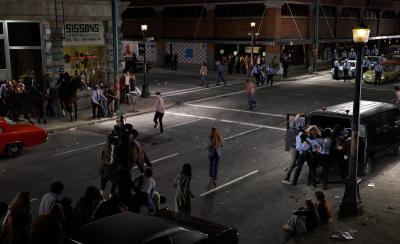
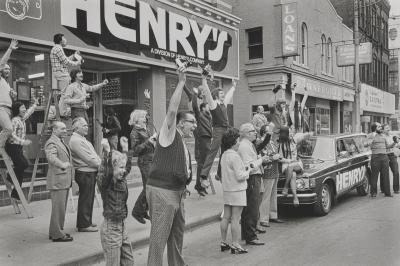
Paul McCartney, West 58th Street, crossing 6th Avenue. New York, February 1964 © 1964 Paul McCartney under exclusive license to MPL Archive LLP
Paul McCartney Photographs 1963–64: Eyes of the Storm has been organized by the National Portrait Gallery, London, England, in collaboration with Paul McCartney. It is curated by Sir Paul McCartney with Sarah Brown for MPL Communications and Rosie Broadley for the National Portrait Gallery. The presentation at the AGO is organized by Jim Shedden, Curator, Special Projects & Director, Publishing.
AGO Members see Paul McCartney Photographs 1963–64: Eyes of the Storm first, beginning February 18, 2026. AGO Annual Passholders can access the exhibition beginning February 27, 2026. The exhibition opens to the public on March 24, 2026, and is free with general admission. The exhibition will be on view on Level 5 of the AGO from February 18, 2026, to June 7, 2026.
Presented by Bloomberg Connects, a free digital app, the audio tour will be available beginning February 18. To access the audio guide, click here.
Signature Partner

Contributing Sponsor

Bloomberg Philanthropies - tier 2
Generous Support
DH Gales Family Foundation
Lorne Gertner & Emily Masuda
Steven & Lynda Latner
Rob & Cheryl McEwen
Anonymous
![Unknown photographer, Chillin on the beach, Santa Monica [Couple on beach blanket]](/sites/default/files/styles/image_small/public/2023-04/RSZ%20WMM.jpg?itok=nUdDiiKr)