Mar 4, 2026
Collective Views: A Symposium on Photography in Toronto
On March 10 and 11, the AGO co-hosts a gathering of key figures in Toronto’s photography community
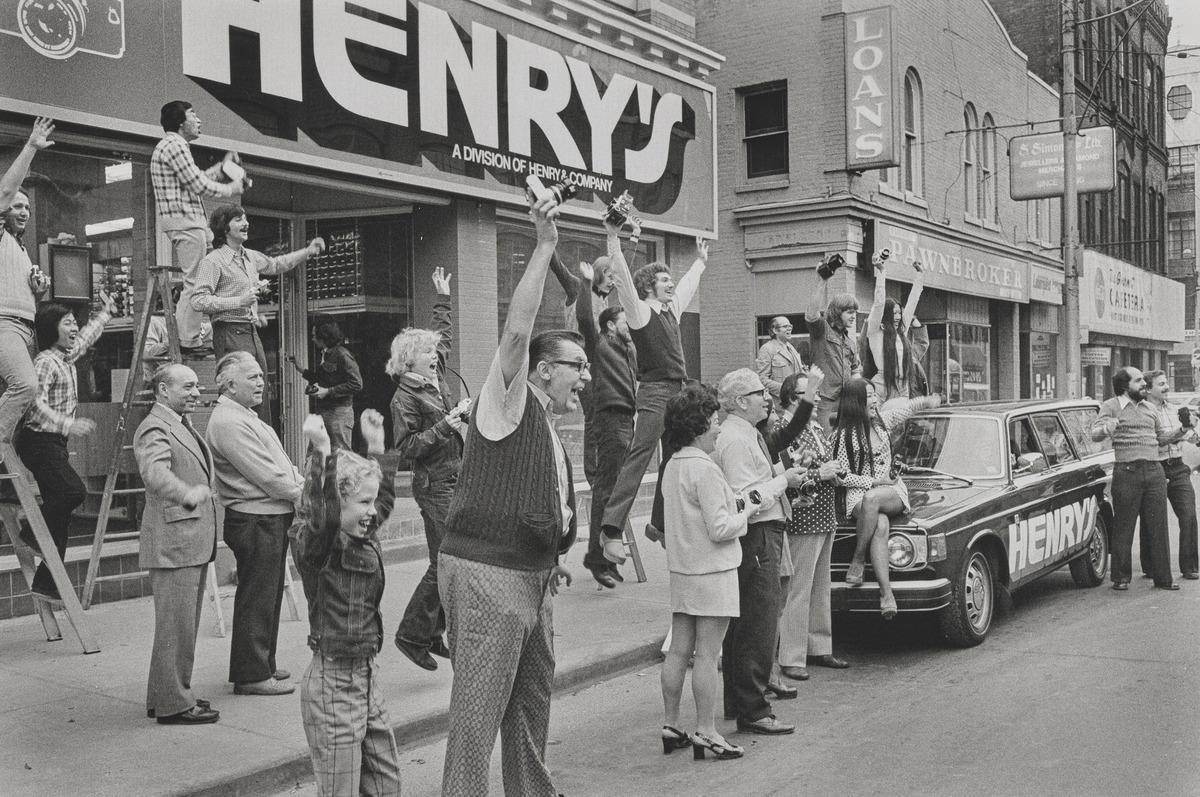
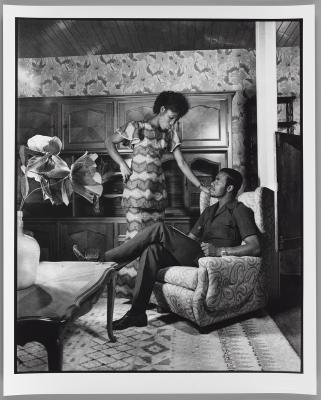
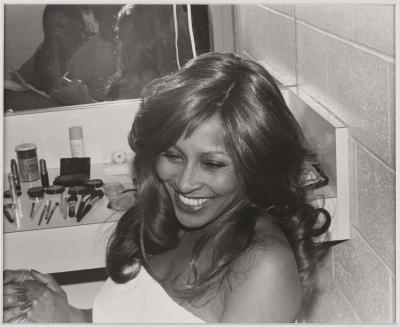
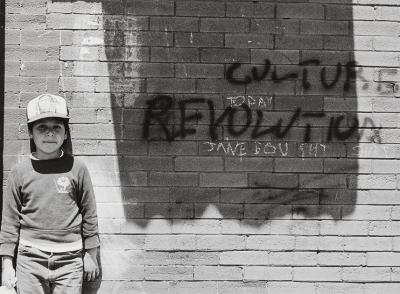
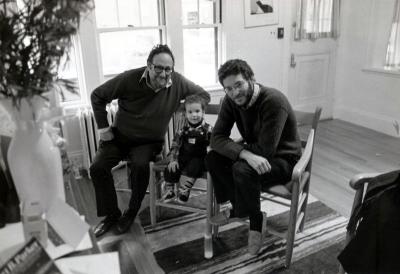
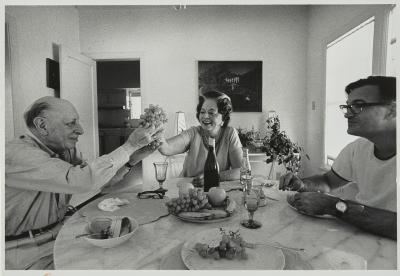
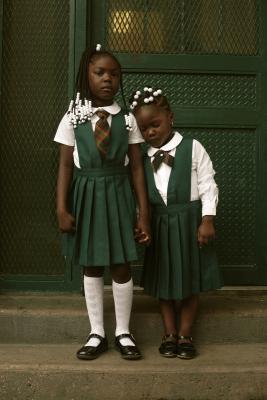
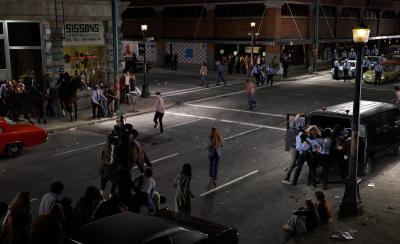
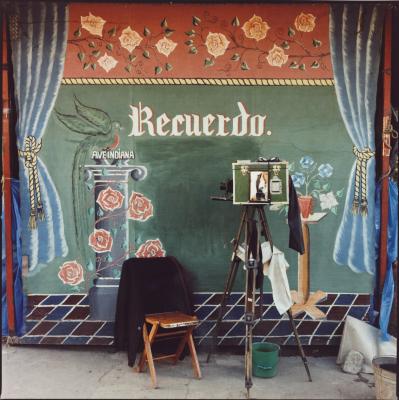
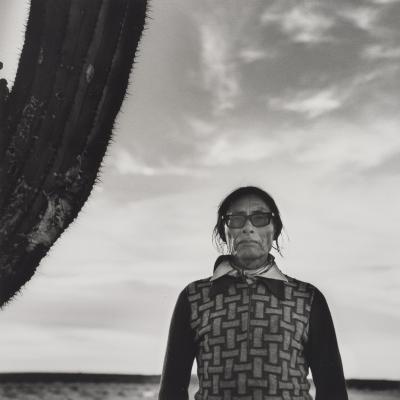
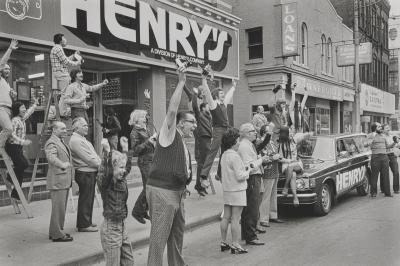
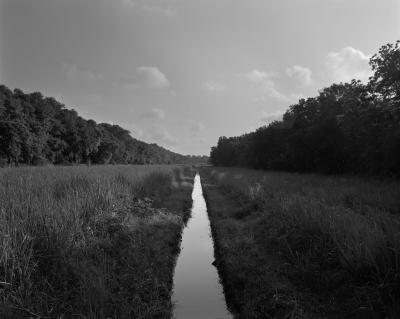
June Clark. Henrys on Church Street, 1974 (printed 2023). Gelatin silver print, Overall: 21 x 30.5 cm. Art Gallery of Ontario. Purchase, 2023. © June Clark. Photo: AGO. 2023/103
On Tuesday, March 10, and Wednesday, March 11, the AGO and the Museum of Contemporary Art Toronto (MOCA Toronto) are co-hosting a symposium for the photography community and its supporters to reflect upon local activities from the 1970s to the present day. The symposium is co-presented on the occasion of Collective Visions: Celebrating 25 Years of Photography at the AGO and Jeff Wall Photographs 1984–2023 at MOCA, Toronto.
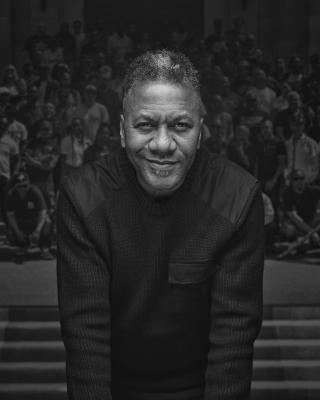
Collective Views: A Symposium on Photography in Toronto is organized in three sessions, each with six short presentations followed by a Q&A and a public talk hosted by both institutions. The symposium brings together artists, artworks, cultural figures, scholars, exhibitions, organizations, collections, art schools, and publications that have shaped evolving understandings of the city and the medium—describing Toronto as a place where photography continues to be vital, generative, and connective. The two-day event will culminate in a public talk featuring photographers Morris Lum and Pok Chi Lau moderated by professor Lily Cho.
Foyer spoke further with a presenter from each of the symposium’s three sessions to learn more about their practice and what they intend to share with attendees.
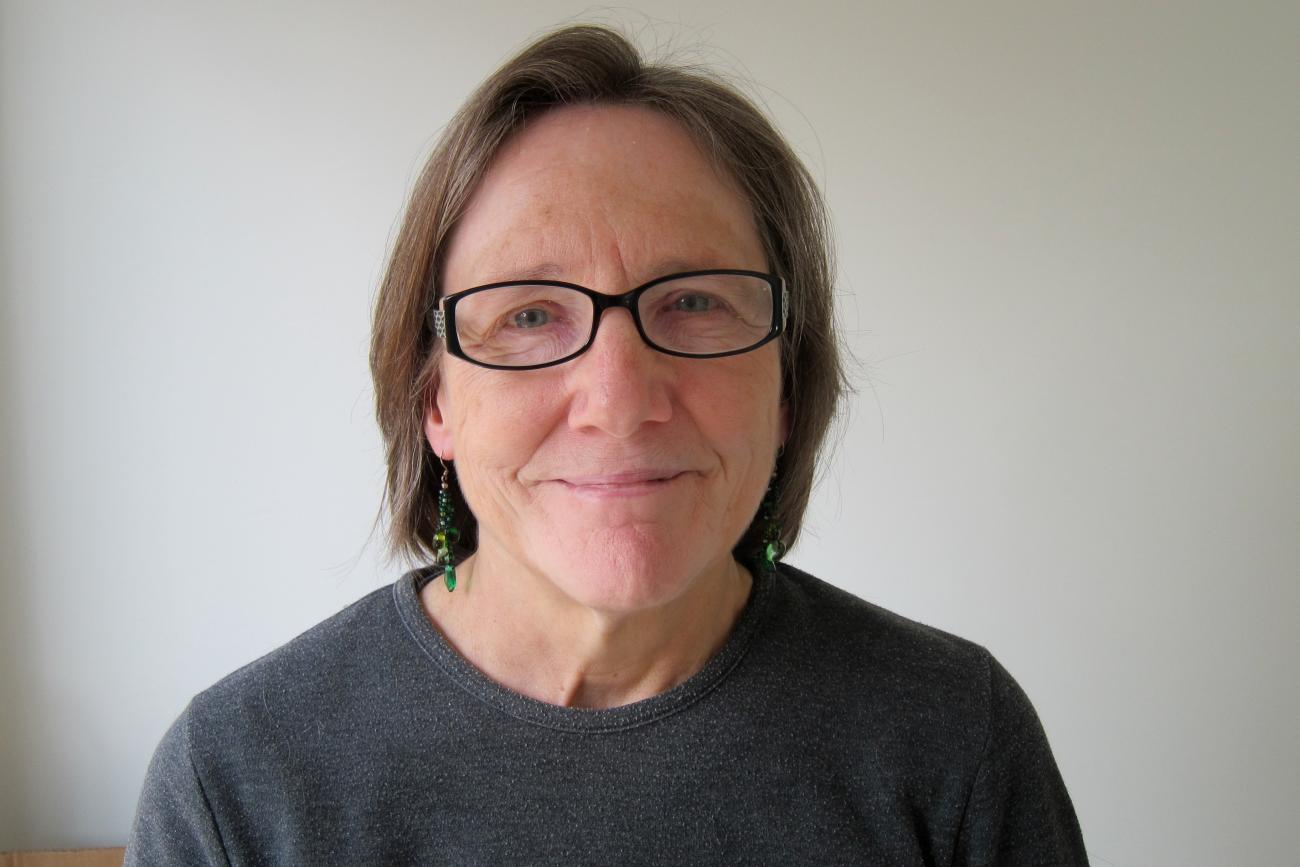
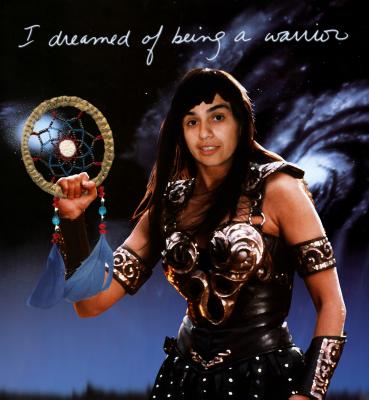
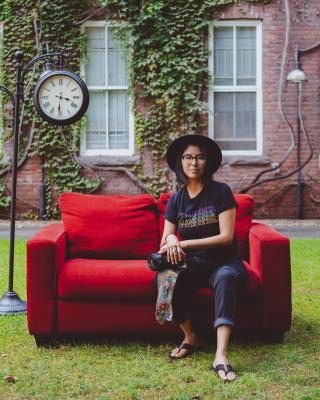
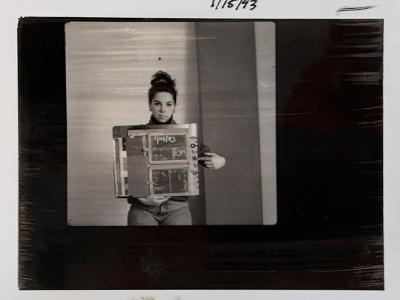
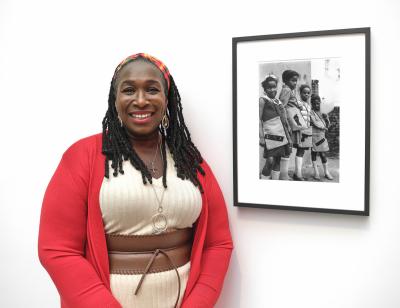
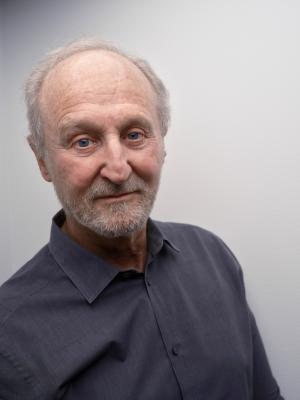
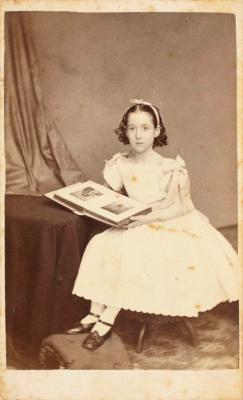
Image courtesy of Laura Jones
Laura Jones is a photographer, community activist and gallery owner. She founded The Women’s Photography Co-op in 1972 along with her co-presenter Toronto-based artist June Clark. As part of the session dedicated to the 1970s and 1980s, the two will speak about the Co-op and Jones’s Baldwin Street Gallery.
Foyer: Can you share the inception story of The Women’s Photography Co-op?
Jones: Participating in the Women's Photography Co-op changed my life. I found the commercial photography field uncomfortably male-dominated. By creating the exhibition Photographs of Women by Women, the Co-op learned together. It may have helped each Co-op member to become more encouraged and articulate.
For me, taking photographs was a way to communicate without words. My strength to continue photographing, to study the history of women in photography, and to identify myself as a photographer came from participating in the Co-op and engaging with the photographs and letters we received.

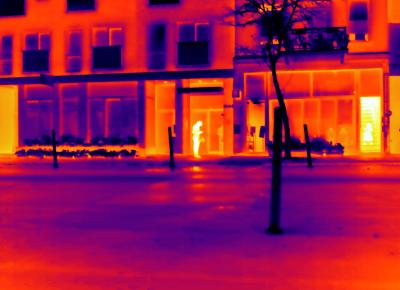
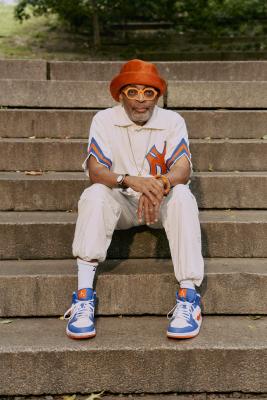
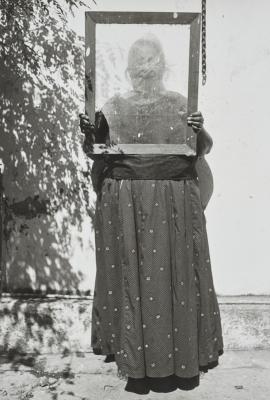
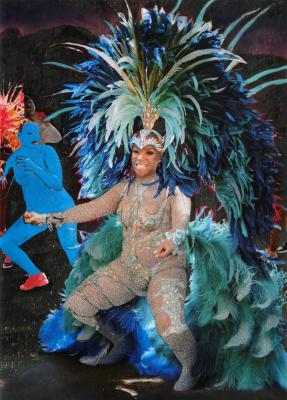
photograph by Alan Peng
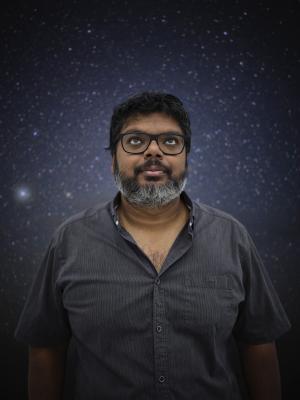
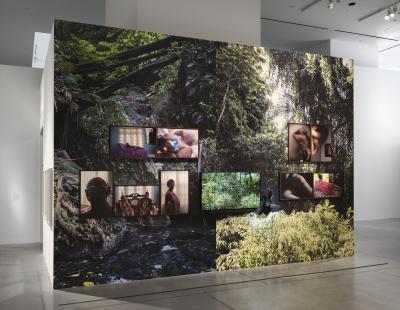
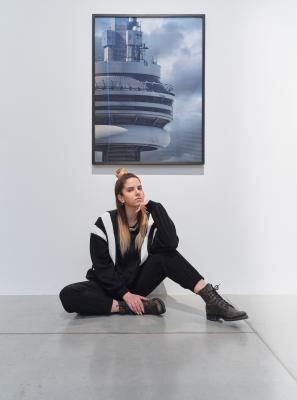
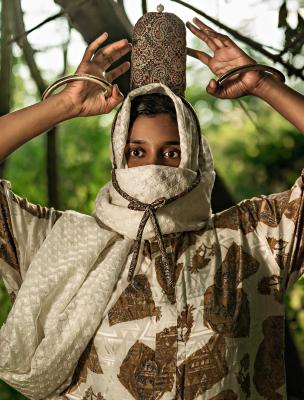
Sanaz Mazinani is an Iranian artist, educator, and curator based in Tsí Tkarón:to/Toronto, working across the disciplines of photography, sculpture, and large-scale multimedia installations. As part of the session dedicated to the 1990s and 2000s, Mazinani will speak about her acclaimed ongoing photography series Iran Revisited (1999–present)
Can you share how your series Iran Revisited began?
Mazinani: What I wanted to portray was the beauty and diversity of the country. The complexity of politics and the relationship to religion. I wanted to share this often-excluded perspective with the Western world, and to focus on the anti-war mentality of the Iranian people and their desire to build a more just society. I am currently working on a book about this project. My goal is to begin the book with my father's photographs of the Iranian Revolution and then to show my own images of what progress and development have looked like in Iran since the end of the monarchy.
After beginning work on the series in 1999, how do you reflect on it close to 30 years later?
What I did not expect was that the United States would impose such severe sanctions on Iran for so many years that people would be pushed to the breaking point–becoming so desperate that they took to the streets and risked their lives in hopes of a better future. I also did not expect this war. The sadness and loss of innocent Iranian lives is extremely devastating. I hope to continue to share imagery of Iran in order to implore an end to this war, so that the brave people of Iran may enact change in their own country uncompromised and not infiltrated with colonial foreign agendas. And now, I plan to end my book with images of the brave Iranian people–captured through screenshots as I witness this war from afar, like so many other Iranians in the diaspora.
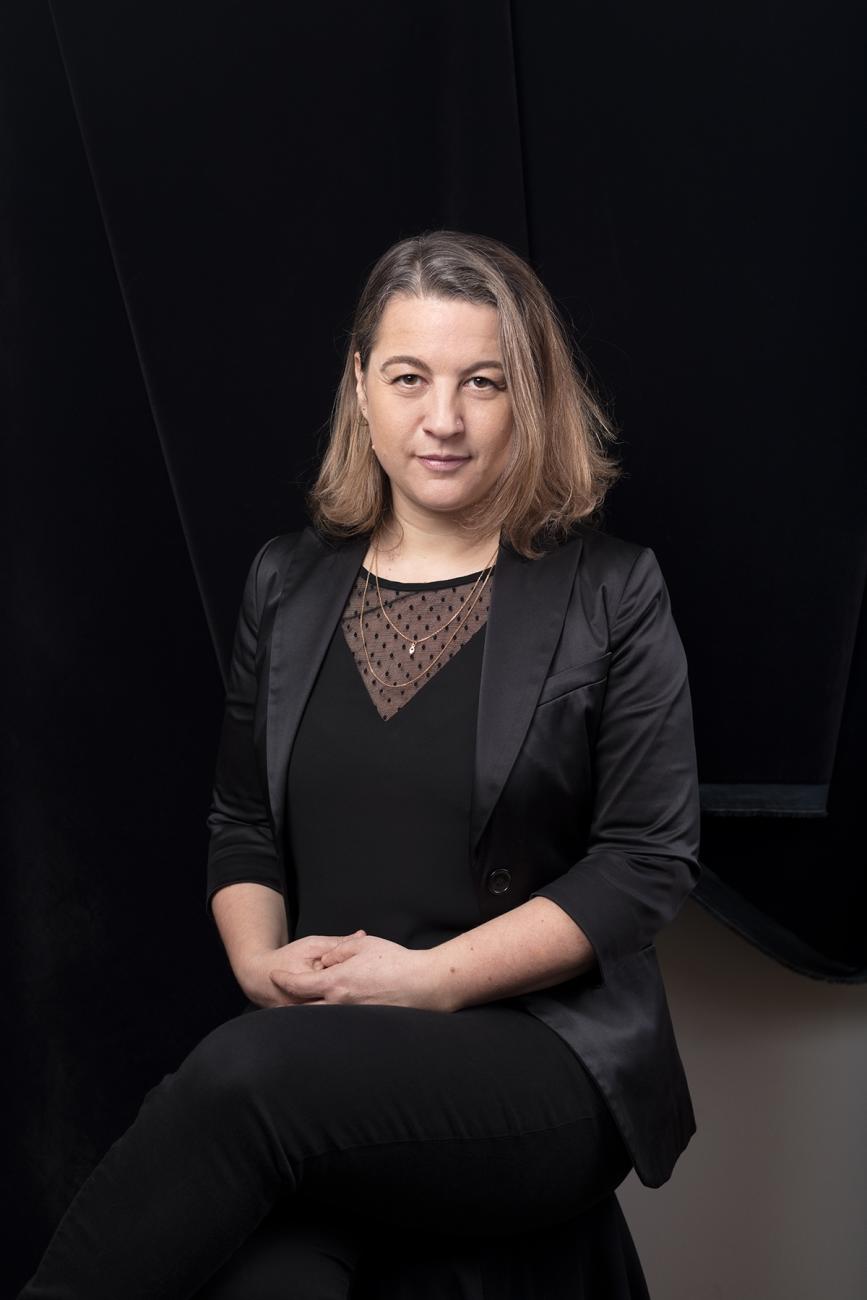
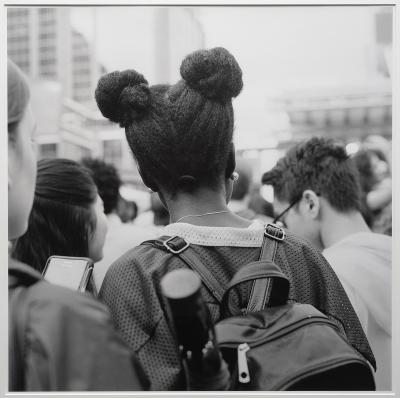
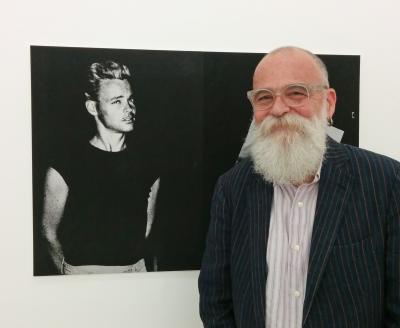
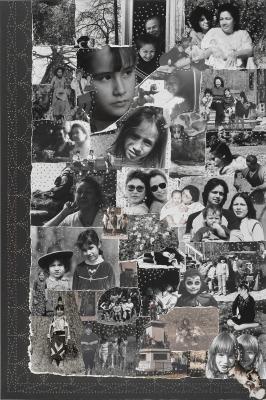
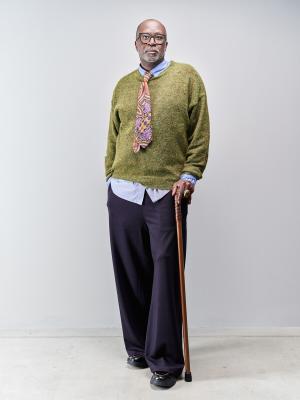
© Laura Margaret Ramsey, The Image Centre
Dr. Gaëlle Morel is Exhibitions Curator at The Image Centre at Toronto Metropolitan University. As part of the session dedicated to the 2010s and present day, Morel will speak about the importance of a museum dedicated to photography.
How did The Image Centre come to exist?
Morel: Opening in 2012, The Image Centre (IMC) at Toronto Metropolitan University—originally an academic and production-oriented learning environment—is a collecting and exhibiting museum and research centre. IMC is the direct result of dedicated funding that was obtained by the university to accompany the acquisition of the Black Star Collection of nearly 300,000 photojournalistic gelatin silver prints in 2005. IMC grew from the photography department's teaching and research collection which was started in 1968. This collection included original photographic works from the earliest processes to contemporary practices. Embedded within a larger photography community, the IMC is the manifestation of collaborative and collective endeavours sustained by decades of deep engagement by local individuals and institutions.
Can you share some reflections about the importance of a museum dedicated to photography in Toronto?
As a medium-centric institution, The Image Centre considers all genres, practices, and types of images developed in the history of photography, from earlier experiments to contemporary approaches. It allows for a wide understanding of photography as a medium. It holds the archives of numerous photographers, along with contextual material such as correspondence, book maquettes, negatives, contact sheets, and related ephemera. Our programs reflect the institution’s mandate and vision to study visual culture through the interpretation of photographic objects embedded with social and cultural meanings and practices. As a historical place for the development of the Eastman Kodak Company and a hub for a vibrant community established for decades, Toronto was well-situated to become a world-leading venue for the study, exhibition, and collecting of the medium and welcome the opening of an institution such as The Image Centre. The IMC is one of the manifestations of the city's historical interest and dedication to photography.
Collective Views: A Symposium on Photography in Toronto will be hosted on Tuesday, March 10, at MOCA and Wednesday, March 11, at the AGO. Tickets are available now. The symposium is co-presented on the occasion of Collective Visions: Celebrating 25 Years of Photography at the AGO and Jeff Wall Photographs 1984–2023 at MOCA Toronto.
If you’d like to attend the symposium’s keynote public talk featuring photographers Morris Lum and Pok Chi Lau and professor Lily Cho, get tickets here.
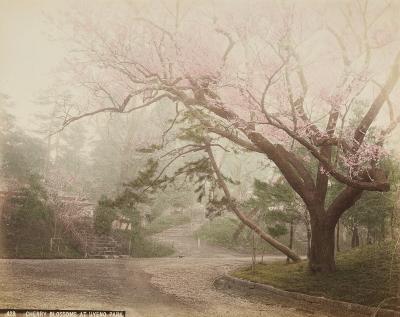
Collective Visions: Celebrating 25 Years of Photography is on view now at the AGO in the Edmond G. Odette Family Gallery and Robert & Cheryl McEwen Gallery (galleries 128 and 129) on Level 1.


![Unknown photographer, Chillin on the beach, Santa Monica [Couple on beach blanket]](/sites/default/files/styles/image_small/public/2023-04/RSZ%20WMM.jpg?itok=nUdDiiKr)