Apr 22, 2026
Paul McCartney’s Evolution
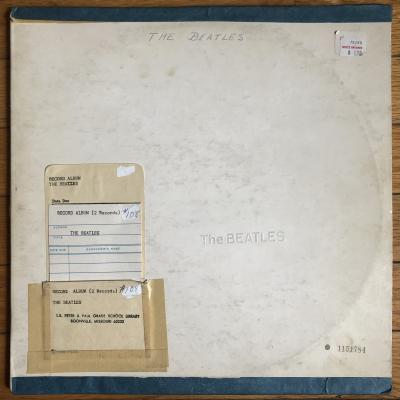
Before his May 2 talk, Beatles scholar Dr. Kenneth Womack discusses McCartney’s legacy
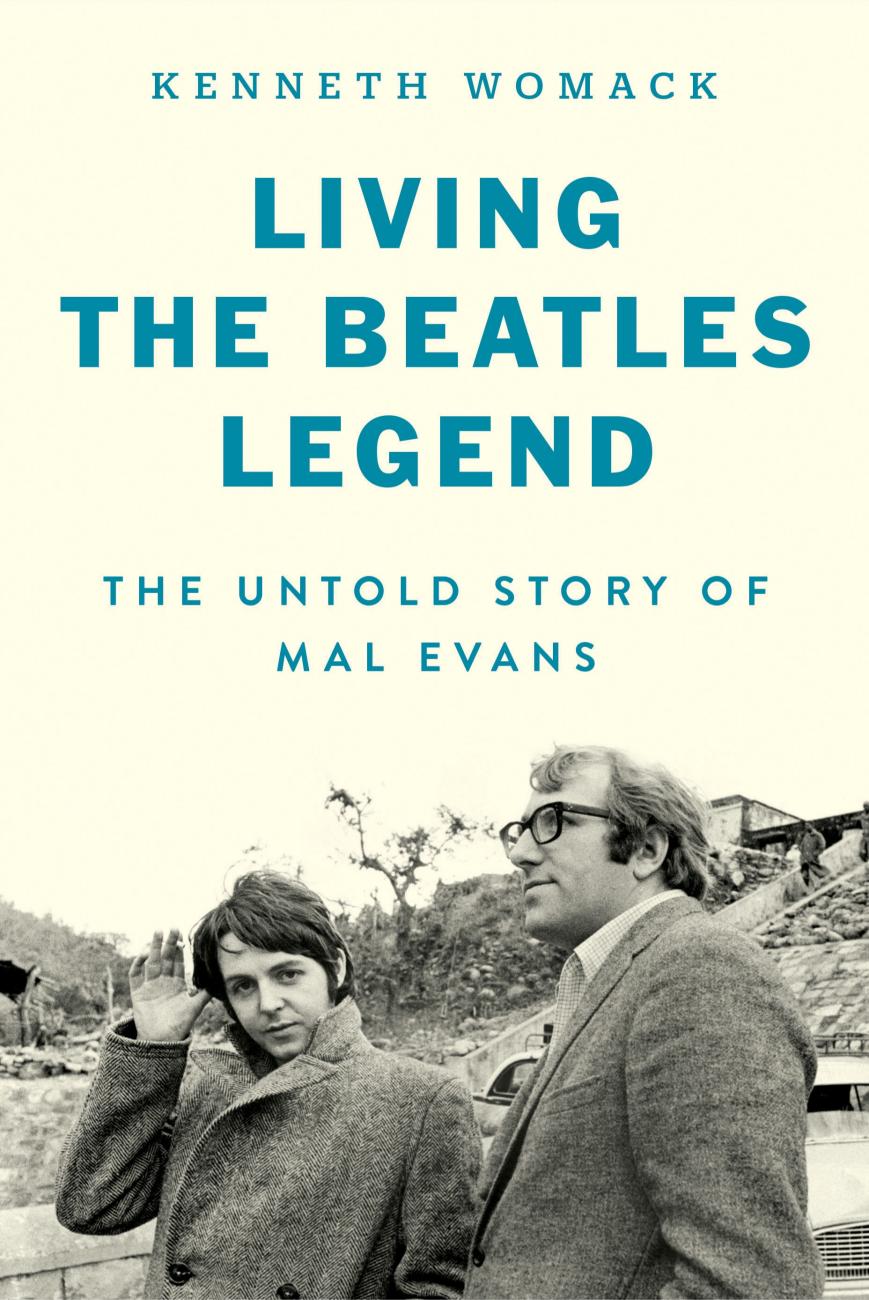
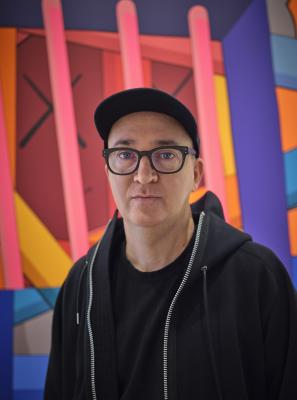
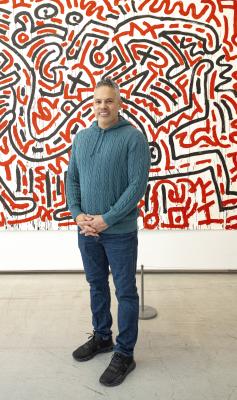
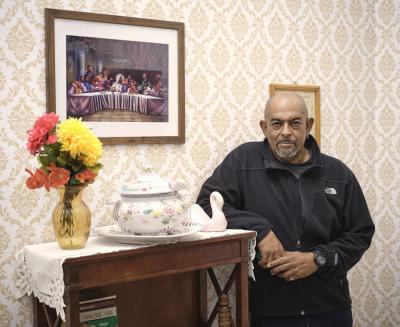
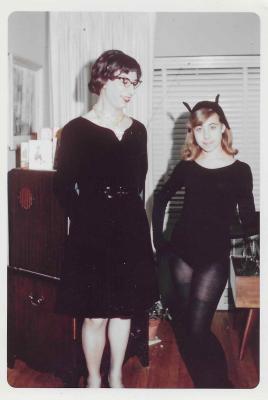
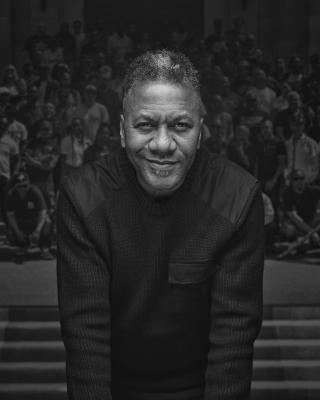
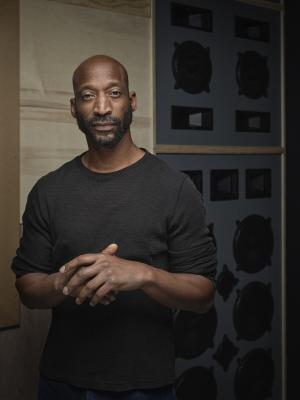
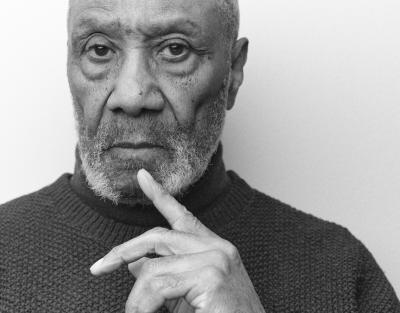
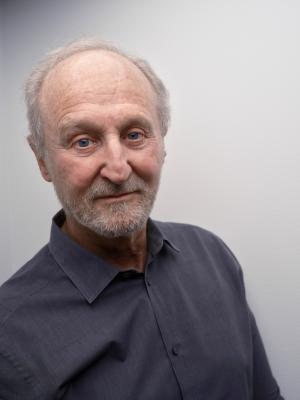
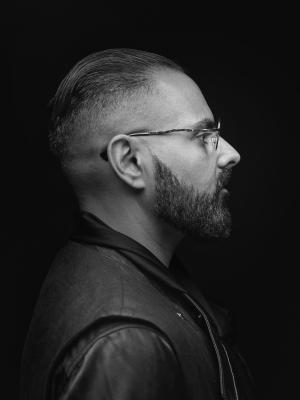
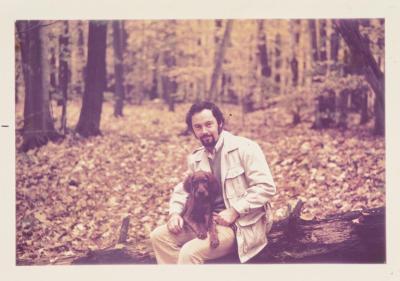
Image courtesy of Kenneth Womack
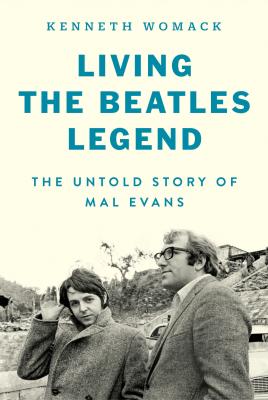
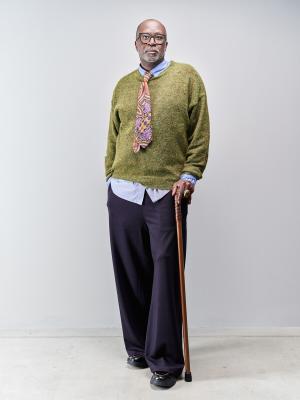
Dr. Kenneth Womack is one of the world’s leading scholars on The Beatles. The Professor of English and Popular Music at Monmouth University has written several books exploring the history and impact of the Fab Four. These include Long and Winding Roads: The Evolving Artistry of the Beatles (2007), The Cambridge Companion to the Beatles (2009), and his most recent bestseller, Living the Beatles Legend, which traces the story of the band’s road manager, Mal Evans.
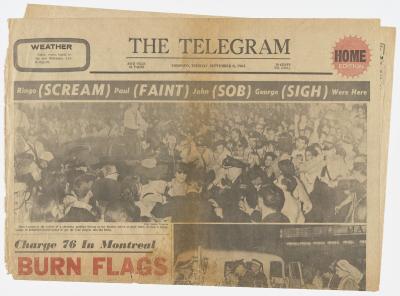
On Saturday, May 2, the AGO welcomes Womack for a public talk about The Beatles. In a multimedia presentation, he will discuss the cultural resonance of Beatlemania, devoting special attention to Paul McCartney’s evolving artistry from the 1960s to today. He will also discuss McCartney’s unparalleled growth as a musician and songwriter.
Before the talk, Womack spoke to Foyer about McCartney's unique evolution.
Foyer: What distinct artistic qualities did McCartney bring to The Beatles? How would you describe his songwriting style compared to that of Lennon or Harrison?
Womack: Paul was deeply influenced by his father, Jim McCartney, who was the leader of Jim Mac’s Jazz Band in the 1920s and 30s. Jim imbued Paul with a strong sense of the British dancehall movement. This underscored for Paul the idea of being an entertainer as well as a musician. While the early Beatles were infatuated with the guitar—Paul included—Jim Mac stressed the piano as another vehicle for their music. Paul’s songwriting style was influenced by the American songbook, which accented structures involving verses, choruses, and bridges. Paul has always brought this level of structural variety to his songwriting efforts.

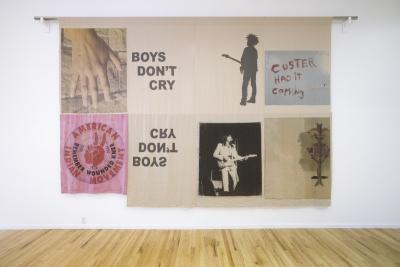
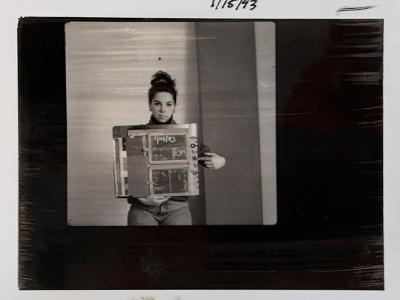
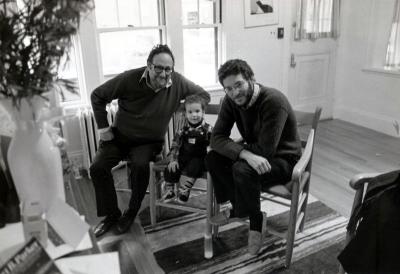
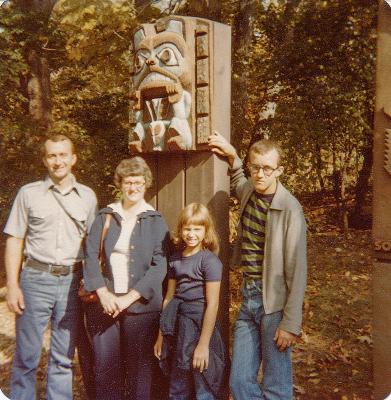
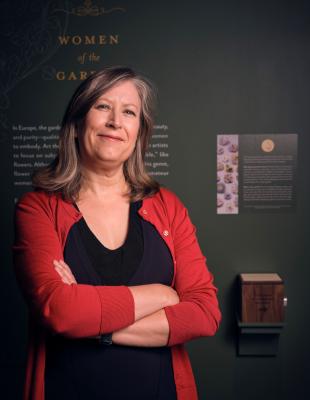
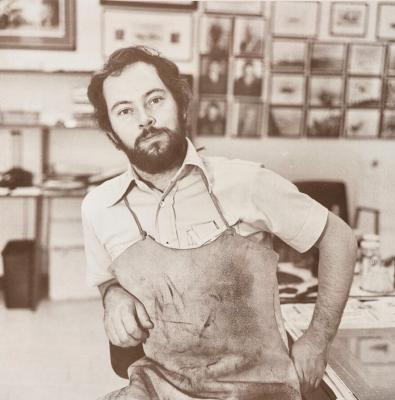
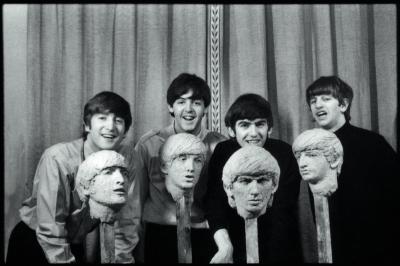
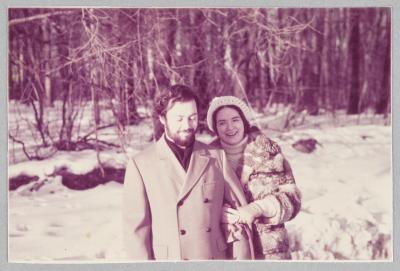
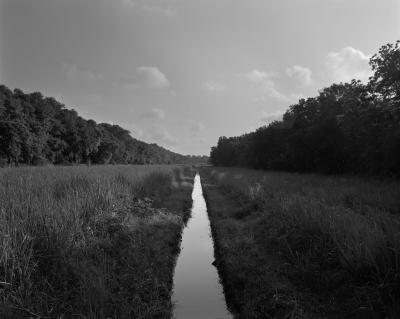
Photograph by Matthew Geller. Courtesy of Kenneth Womack
How would you describe McCartney’s approach to making music in the years after the Beatles’ break-up?
Paul’s work in the 1970s was at the apex of pop music. His work in that decade was marked by a deep need to prove himself after the Beatles’ highly publicized demise. He accomplishes this, of course, by becoming one of the world’s most popular entertainers. He continued the Beatles’ tradition of composing engaging melodies with clear pop hooks and innovative structures.
How would you describe McCartney’s evolution as a musician in the 1990s and into the 2000s? What are the defining traits of the musician and songwriter he has ultimately become?
Paul’s work in the past three decades has been less consistent, but always working, at some level or another, towards innovation. He is still driven by a highly competitive mindset. With each new album, he is looking for new sounds. High points include Chaos and Creation in the Backyard and, more recently, McCartney III. The 1990s include such standout LPs as Flaming Pie and Run Devil Run, which feature some of his finest post-Beatles vocals and musicianship.
Don’t miss Womack’s presentation, Reliving the Magic of Beatlemania with Paul McCartney’s Eyes of the Storm, happening Saturday, May 2, in Baillie Court. Tickets are available here.
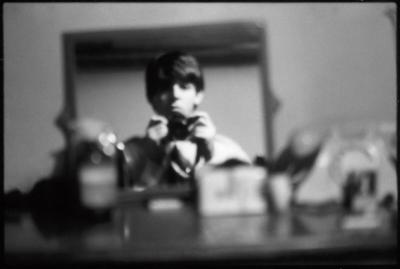
Paul McCartney Photographs 1963–64: Eyes of the Storm has been organized by the National Portrait Gallery, London, England, in collaboration with Paul McCartney. It is curated by Sir Paul McCartney with Sarah Brown for MPL Communications and Rosie Broadley for the National Portrait Gallery. The presentation at the AGO is organized by Jim Shedden, Curator, Special Projects & Director, Publishing.
AGO Members see Paul McCartney Photographs 1963–64: Eyes of the Storm first, beginning February 18, 2026. AGO Annual Passholders can access the exhibition beginning February 27, 2026. The exhibition opens to the public on March 24, 2026, and is free with general admission. The exhibition will be on view on Level 5 of the AGO from February 18, 2026, to June 7, 2026. The book 1964: Eyes of the Storm is available for purchase online and in-store at Shop AGO while quantities last.
Presented by Bloomberg Connects, a free digital app, the audio tour is available as of February 18. To access the audio guide, click here.
Signature Partner

Contributing Sponsor

Bloomberg Philanthropies - tier 2
Generous Support
DH Gales Family Foundation
Lorne Gertner & Emily Masuda
Steven & Lynda Latner
Rob & Cheryl McEwen
Anonymous