Mar 12, 2026
The Archive and the Storyteller
In this essay, Amy Marshall Furness writes about David Blackwood’s artist archive at the AGO
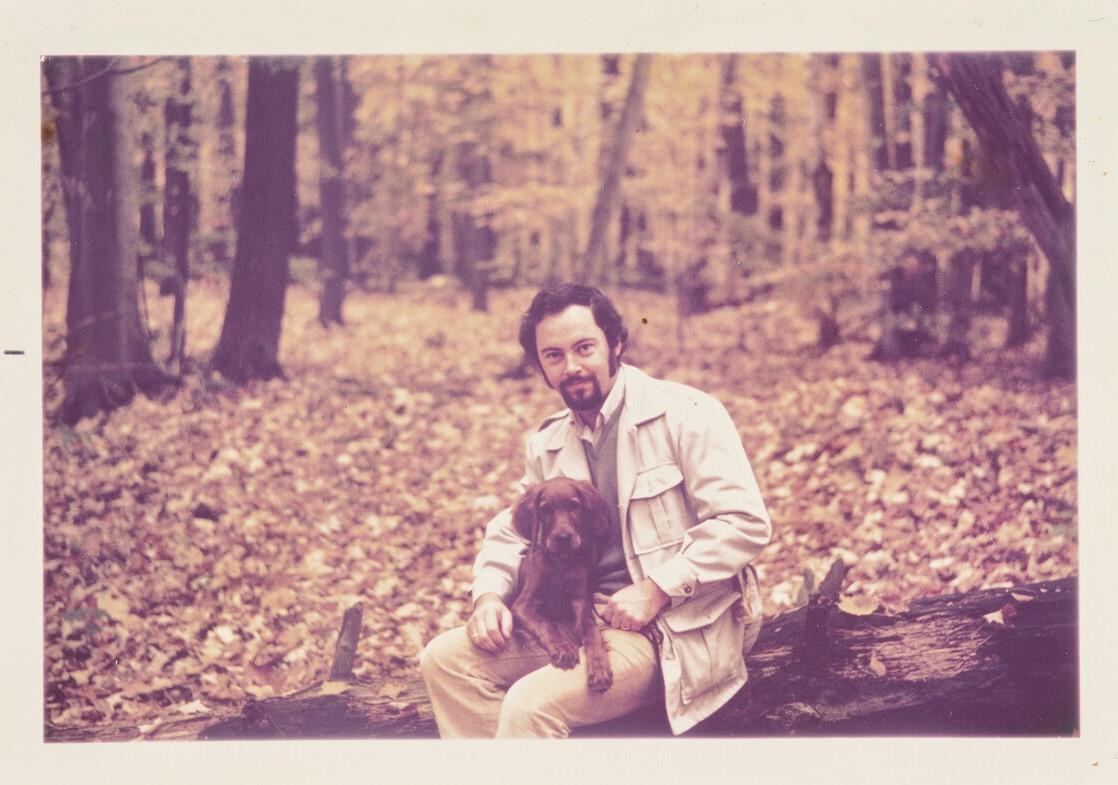
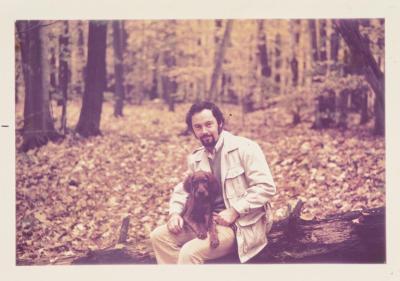
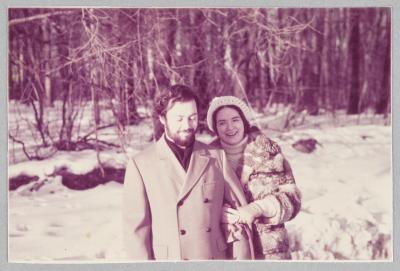
Anita Blackwood, David Blackwood with Dylan the Irish Setter in the woods above the Credit River, 1971. Edward P. Taylor Library & Archives, Art Gallery of Ontario. Gift of David and Anita Blackwood, 2018.
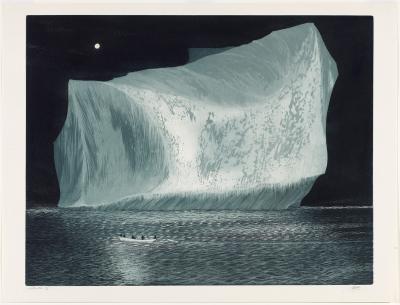
The AGO is home to the largest collection of artworks by David Blackwood. To complement this collection, the Gallery also holds Blackwood’s complete archive, including sketchbooks, diaries, photographs, records and other ephemera that chronicle the master printmaker’s life and career.
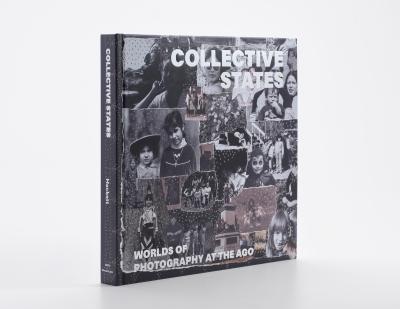
In the accompanying catalogue for the exhibition David Blackwood: Myth & Legend, Amy Marshall Furness, former Rosamond Ivey Special Collections Archivist & Head, Library & Archives at the AGO, writes an illuminating essay on the Blackwood archive, what it contains, and how it came to be held at the AGO. Here’s an excerpt from that essay.
---
Throughout the modern era, we have celebrated the artist as a personality. With that comes a certain expectation that by revealing the artist’s creative process and private life, we might better understand the artwork. This is where archives come into play. Since David Blackwood’s passing in 2022, curators, biographers, and researchers have worked to position the artist’s legacy in the larger context of Canadian art history. The Art Gallery of Ontario is the collection of record for Blackwood, which means its holdings of his artwork are deep and definitive. This distinction also means—less obviously, but fundamental to our ability to sustain future research and exhibitions on the artist—that the organization is responsible for his archives.
And yet, collecting artists’ archives is not something every art museum does. The AGO began acquiring archival material in 1918, and there are now around eighty artists substantially represented in the Special Collections of the Edward P. Taylor Library & Archives. When a museum’s collections include archives, it means that part of the artist’s studio lives on in the same institution as the artwork; while no longer animated by creative work, it becomes safeguarded and available for discovery.
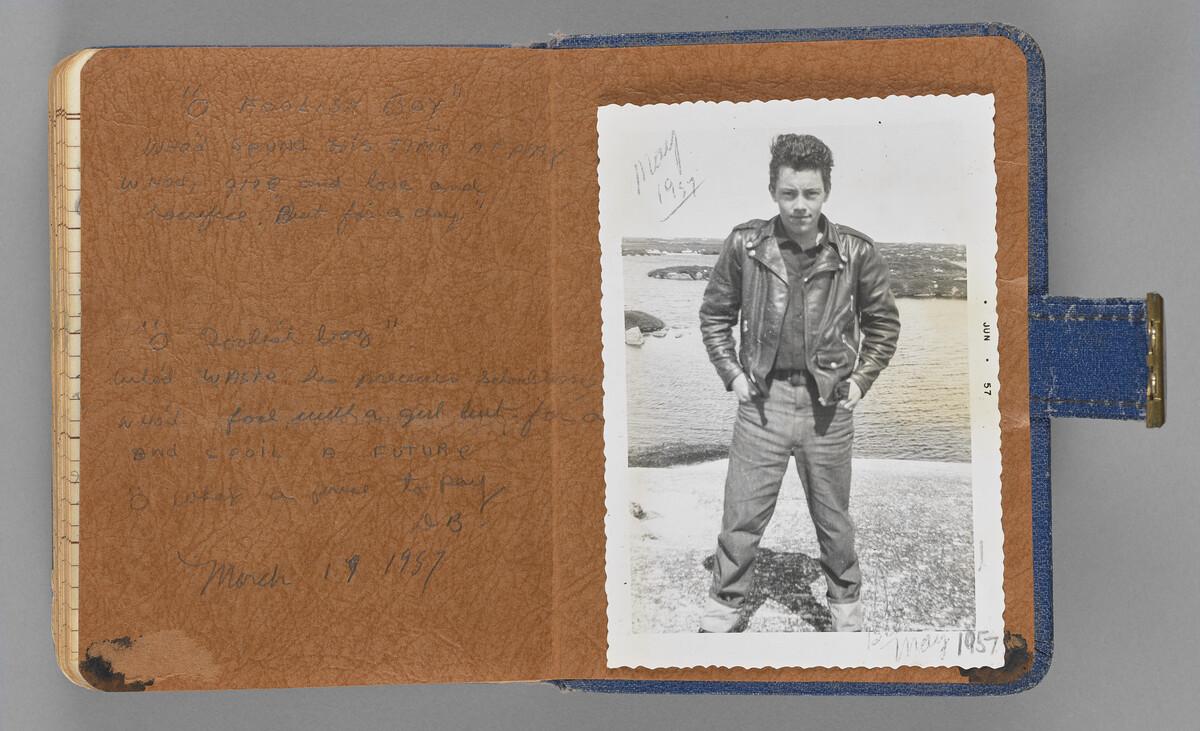
David Blackwood, First journal, rear end-papers, January 2, 1955 - December 31, 1958. Edward P. Taylor Library & Archives, Art Gallery of Ontario. Promised Gift of David and Anita Blackwood, Port Hope, Ontario. © Estate of David Blackwood.
A personal archive requires the time and the means to create documentation and to keep it safe—to preserve the written pages, the snapshots, the evidence, and the treasures through all the doubts and upheavals of a lifetime. Throughout Blackwood’s archive are traces of his belief that someday this would matter to his future self—and more than that, to other people, and to the greater story of a culture.
For an archive to survive an artist (or any other creator of a personal archive), there might need to be a spouse, a child, or a niece or nephew who believes the archive matters as well. There might be a curator, a student, or a literary friend who takes an interest and tells the artist to keep going, asking some critical questions along the way. Then there’s an archivist who might become involved much later, maybe even after the lifetime of the artist. The archivist selects, filters, organizes, preserves, and attempts to represent, in detached and accessible language, the resulting files. Finally, the archive is ready for reading.
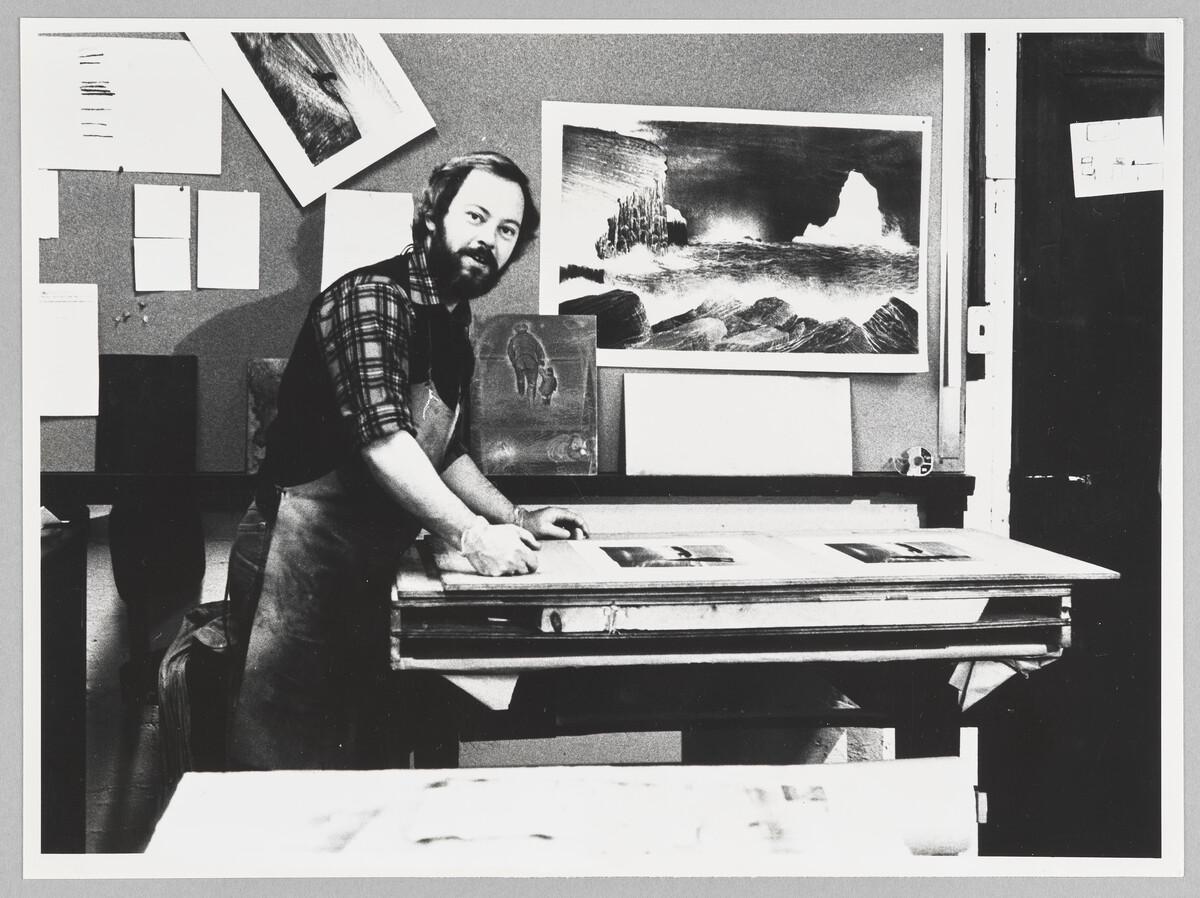
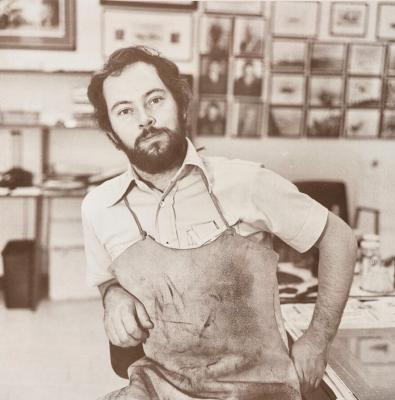
David Blackwood in his Port Hope studio, 1976. David Blackwood fonds, Edward P. Taylor Library & Archives, Art Gallery of Ontario. Gift of David and Anita Blackwood, 2018. Photo: AGO.
This institutionalized archive is not a simple life narrative but rather the work of many hands. It is a space where stories are captured indefinitely. Holding Blackwood’s archive makes it possible to reveal these histories and answer questions in greater depth. This includes the raw materials for the stories Blackwood retold through his art as well as the stories of the life of the artist himself. The archive waits for a future reader and new questions that we can’t frame yet from our present moment. The narrative paths through it might be infinite.
Blackwood’s archive holds the story of a sensitive and brilliant boy who travelled far from home, worked hard, and found love, success, and tragedy. It’s a story that the artist has not exactly written for himself, but he has made sure that we have all the pieces. The archive contains a strong throughline of Newfoundland stories—a historical arc in which the artist situated himself, even from his earliest diary entries.
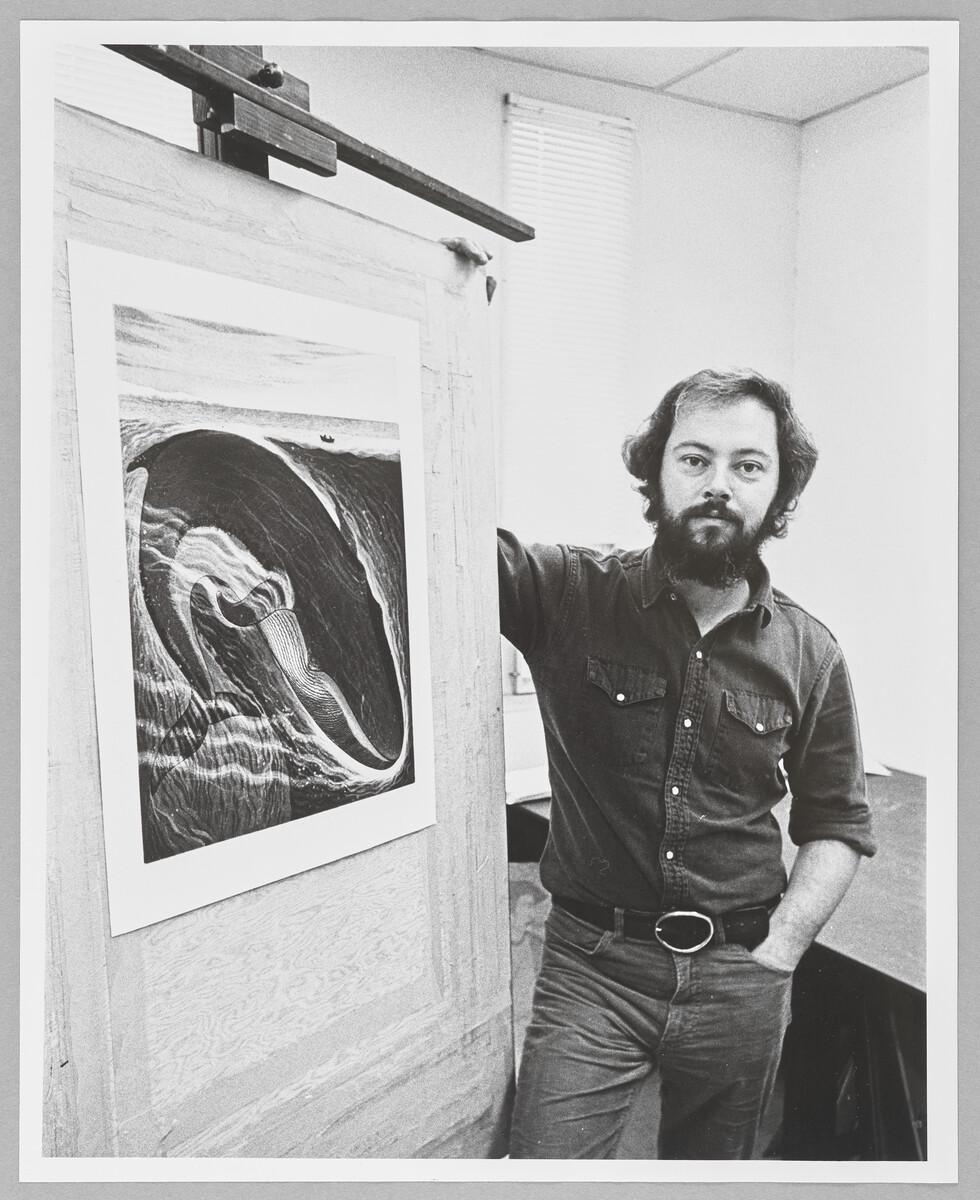
David Blackwood at Erindale College with The Burgeo Whale, 1973. Edward P. Taylor Library & Archives, Art Gallery of Ontario. Gift of David and Anita Blackwood, 2018. Photo: AGO.
This excerpt is written by Amy Marshall Furness, former Rosamond Ivey Special Collections Archivist & Head, Library & Archives, AGO. Purchase the catalogue at the AGO Shop online and in store. The AGO and Goose Lane Editions co-published the catalogue.
The exhibition David Blackwood: Myth & Legend is on view on Level 1 in Margaret Eaton Gallery (gallery 137), Marvin Gelber Gallery (gallery 136), and Betty Ann & Fraser Elliott Gallery (gallery 135).