Apr 30, 2026
Piers Hemmingsen and Canadian Beatlemania
The author of two books devoted to The Beatles in Canada talks about his journey exploring their history
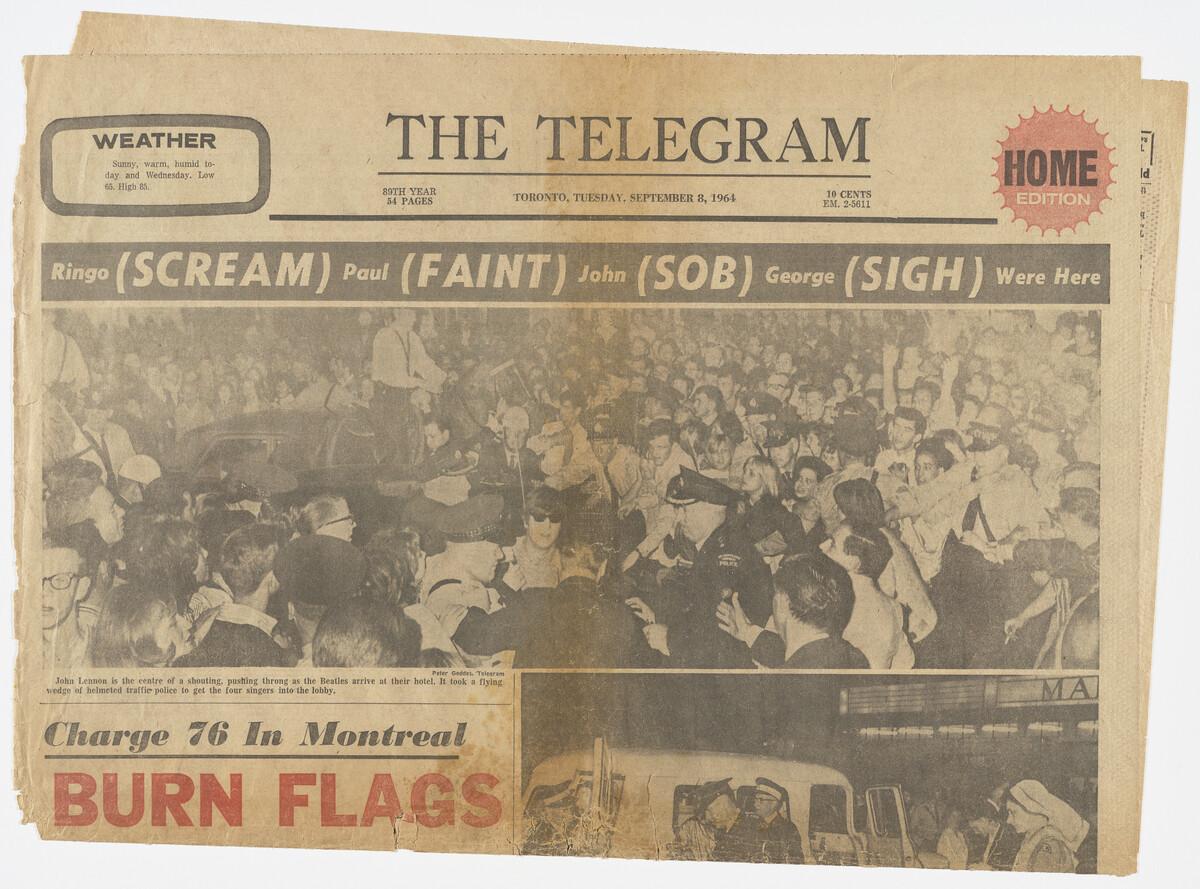
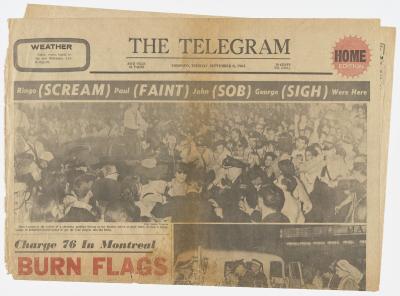
Front page of The Toronto Telegram, September 8, 1964, newsprint, Courtesy Piers Hemmingsen.
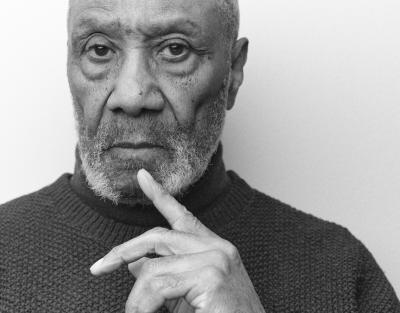
Canadian author Piers Hemmingsen attended school in the U.K. during the 1960s, a time and place in which Beatlemania was impossible to ignore. Though he was always a fan, it wasn’t until years later that he developed a keen interest in the connection between The Beatles and Canada. In the late 1990s, he set out to write the first-ever book exploring this subject after discovering it had never been documented in depth. Hemmingsen’s books, The Beatles in Canada: The Origins of Beatlemania! (2015) and The Beatles in Canada: The Evolution 1964-1970 (2025) form a two-volume set that thoroughly examines the Fab Four’s early days in Canada. The second volume is currently available at Shop AGO.
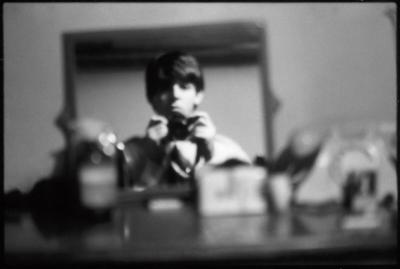
Some of the most crucial documents and pieces of information gathered by Hemmingsen during his time researching are on view on Level 5 of the AGO, as a parallel mini-exhibit alongside the exhibition Paul McCartney Photographs 1963-64: Eyes of the Storm.
In a long glass display case by the entrance of the exhibition, visitors will find a captivating collection of objects that illustrate the central role Canada played in introducing Beatlemania into North America. The installation, titled Toronto Loves The Beatles, includes press releases, ticket stubs, flyers, albums and other merchandise – most of which were proudly lent and/or organized by Hemmingsen.
He spoke to Foyer about Beatlemania in Canada, his evolution from fan to author, and his role in shaping this supplementary display of ephemera.

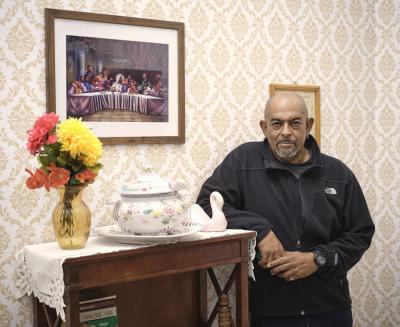
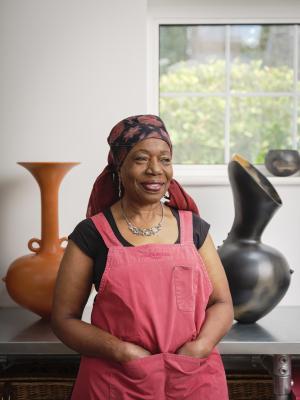
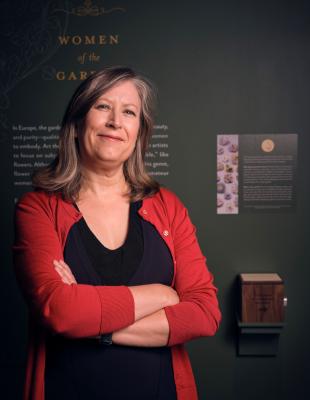
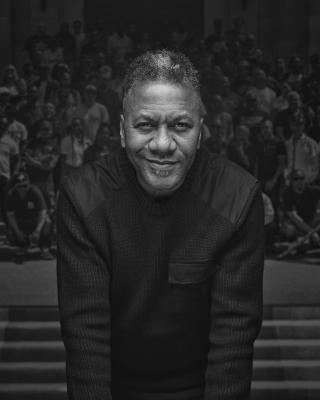
Piers Hemmingsen, 2026. Photo: Craig Boyko © AGO.
Foyer: You fell in love with the music of The Beatles as a young schoolboy. Can you describe the evolution of your fandom and how (and when) you started officially collecting information?
Hemmingsen: It was 1963, and I was eight years old. My father was in the military, so we moved around a lot, and at that time we lived in the U.K. I’m the youngest of three boys, and it was through my brothers that I first heard about The Beatles. My oldest brother in particular was cool – he would often expose us to interesting music and culture. In early January he suggested that we tune in one weekend to see a great new band play their television debut. Sure enough, he was referring to The Beatles, and that Saturday I watched them perform their first hit, Please Please Me. I didn’t think all that much of them at first, but a few months later, my brother took me to a record store where I was able to listen to their debut album in a listening booth. My brother bought the album, and around the same time, my parents purchased a new stereo system. Repeatedly listening to that album on that stereo system is how I first became a fan.
As I grew up, I would always get new Beatles record as they were released – either as a gift from my parents or purchased myself with money from my paper route. Over time I developed a love and admiration for their music and the way they packaged their records. Listening to albums was an escape for me. I never started to collect anything until years later.
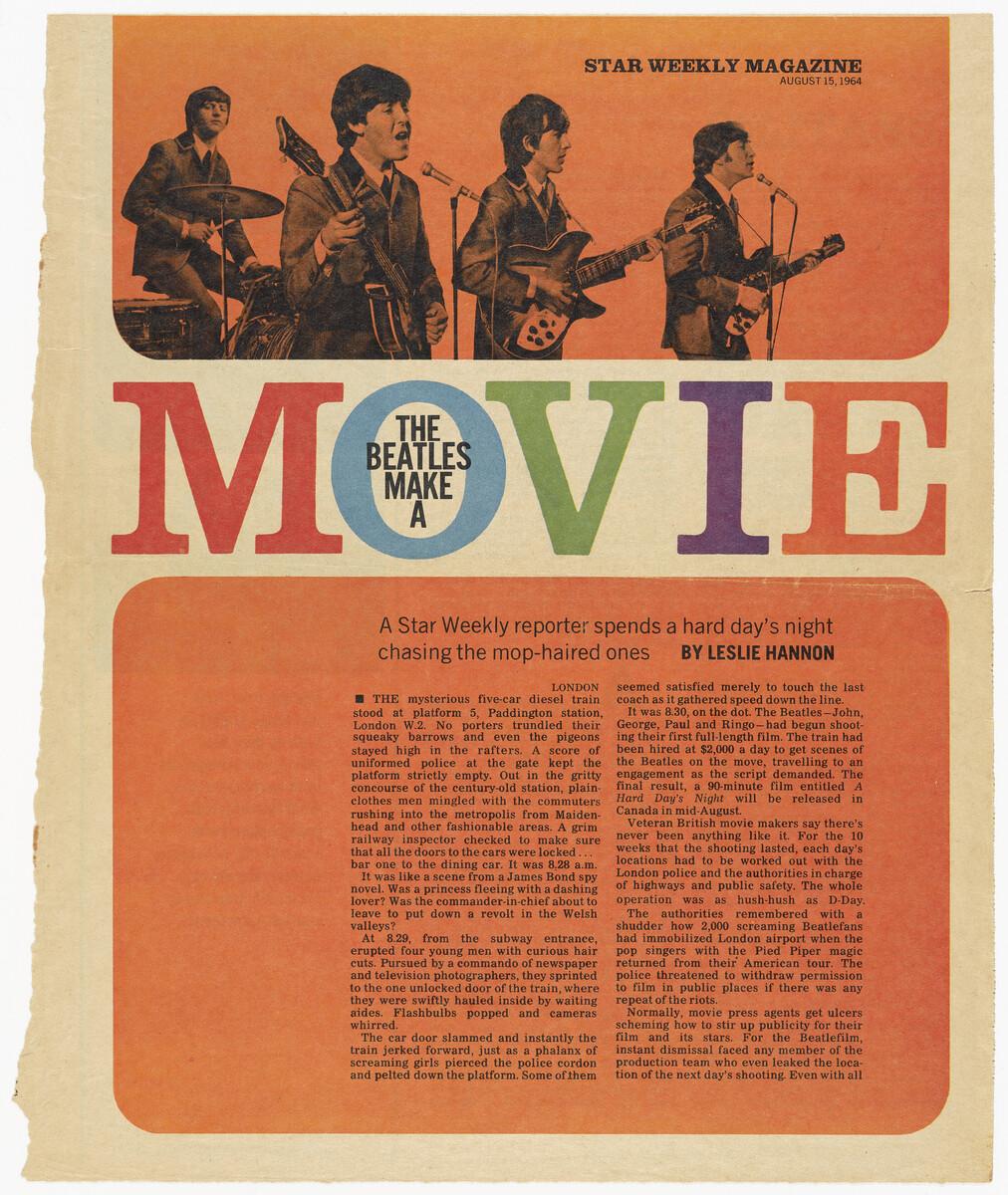
“The Beatles Make a Movie,” by Leslie Mannon, Star Weekly, August 15, 1964. Magazine, Courtesy Piers Hemmingsen.
How did your role as a collector then evolve into that of an author/historian?
As an adult, I worked as a computer programmer. During the early 90s I moved back to the U.K. from Canada to work and returned home five years later. Once back in Canada, I realized there were no books about The Beatles’ history in Canada – so I decided to take on that project. My approach was to interview people relevant to The Beatles’ Canadian story and collect information. This included record company people and fan club people, such as Trudy Medcalf, founder of the first Beatles fan club in North America. This helped me discover that the Beatles were popular here in Canada several months before they broke in America. Canada played a central role in their global fame.
In my quest for Beatles information during the late 90s, I offered to do some free research for Capitol Records [The Beatles record company] to see what I could uncover. They graciously arranged for me to meet with Paul White, the record executive who first signed The Beatles in Canada. We got along very well, and he became a major source of information for both of The Beatles books I ended up writing.
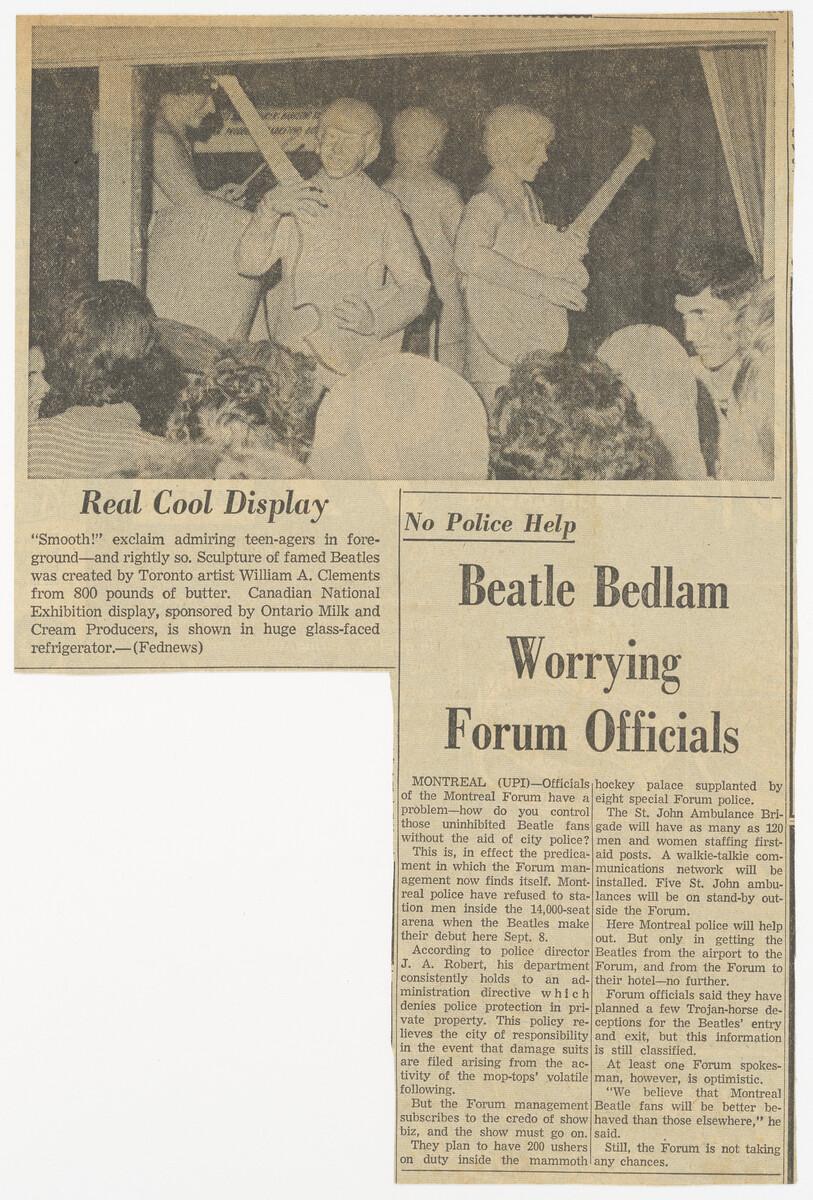
Real Cool Display” and “Beatle Bedlam Worrying Forum Officials,” newspaper article, around August 1964, Courtesy Piers Hemmingsen.
You have a massive collection. Can you describe your process for deciding what specific pieces to loan to this exhibition?
Jim Shedden [Curator, Special Projects & Director, Publishing at the AGO] first contacted me not long after I had done an exhibition in Calgary for the National Music Center in 2024 which was very successful. It covered everything that the Beatles did in Canada when they were touring. For Eyes of the Storm, Jim wanted to focus on Beatlemania in Toronto. He read through my 2015 book The Beatles in Canada, and from there we worked together to select the most relevant pieces.
Ultimately, what we have on display here at the AGO is a really nice snapshot of Beatles merchandise. Things that people could buy at Eatons or Simpsons stores in the 60s, like pennants, purses and books. Musician Mike Daley also contributed a small Canadian flag with The Beatles on it. It came from the first time the band appeared at Maple Leaf Gardens. It was a public handout put together by the CHUM radio station.
As visitors to the exhibition view the display case full of your pieces, what do you hope they come to understand about The Beatles’ relationship to Canada?
What’s most important is the fact that they came here, and they played to thousands and thousands of young kids. At that time, for youth in the 1960s, The Beatles represented the voice of the generation. Beatlemania peaked in 1964, just as they were performing their first Canadian concerts. That means Canada was a central part of The Beatles’ narrative.

Piers Hemmingsen, 2026. Photo: Craig Boyko © AGO.
Do you have a favourite piece on display in the glass case, or one that you would consider the most significant or unique?
In this exhibition, of course, the photo from Paul White that he actually got signed by The Beatles when he went to see them at the Plaza Hotel in New York in February 1964. He was there to see their concert at Carnegie Hall in February, and they recognized that he was a pioneer and that both he and the fan club girls from Canada helped get Beatlemania in North America going. I remember that The Beatles always thought their success was helped a lot by their fan clubs. So that picture in the exhibition of The Beatles and Paul is a very significant piece of Canadian Beatles history.
My favorite things in my own little collection are the various records that I kept over the years. I can still put them on any time and escape back to those cherished moments.
Paul McCartney Photographs 1963–64: Eyes of the Storm has been organized by the National Portrait Gallery, London, England, in collaboration with Paul McCartney. It is curated by Sir Paul McCartney with Sarah Brown for MPL Communications and Rosie Broadley for the National Portrait Gallery. The presentation at the AGO is organized by Jim Shedden, Curator, Special Projects & Director, Publishing.
AGO Members see Paul McCartney Photographs 1963–64: Eyes of the Storm first, beginning February 18, 2026. AGO Annual Passholders can access the exhibition beginning February 27, 2026. The exhibition opens to the public on March 24, 2026, and is free with general admission. The exhibition will be on view on Level 5 of the AGO from February 18, 2026, to June 7, 2026. The book 1964: Eyes of the Storm is available for purchase online and in-store at Shop AGO while quantities last.
Presented by Bloomberg Connects, a free digital app, the audio tour is available as of February 18. To access the audio guide, click here.
Signature Partner

Contributing Sponsor

Bloomberg Philanthropies - tier 2
Generous Support
DH Gales Family Foundation
Lorne Gertner & Emily Masuda
Steven & Lynda Latner
Rob & Cheryl McEwen
Anonymous