Mar 26, 2026
Paul McCartney in His Own Words
McCartney discusses what it was like being a Beatle in the eye of the storm
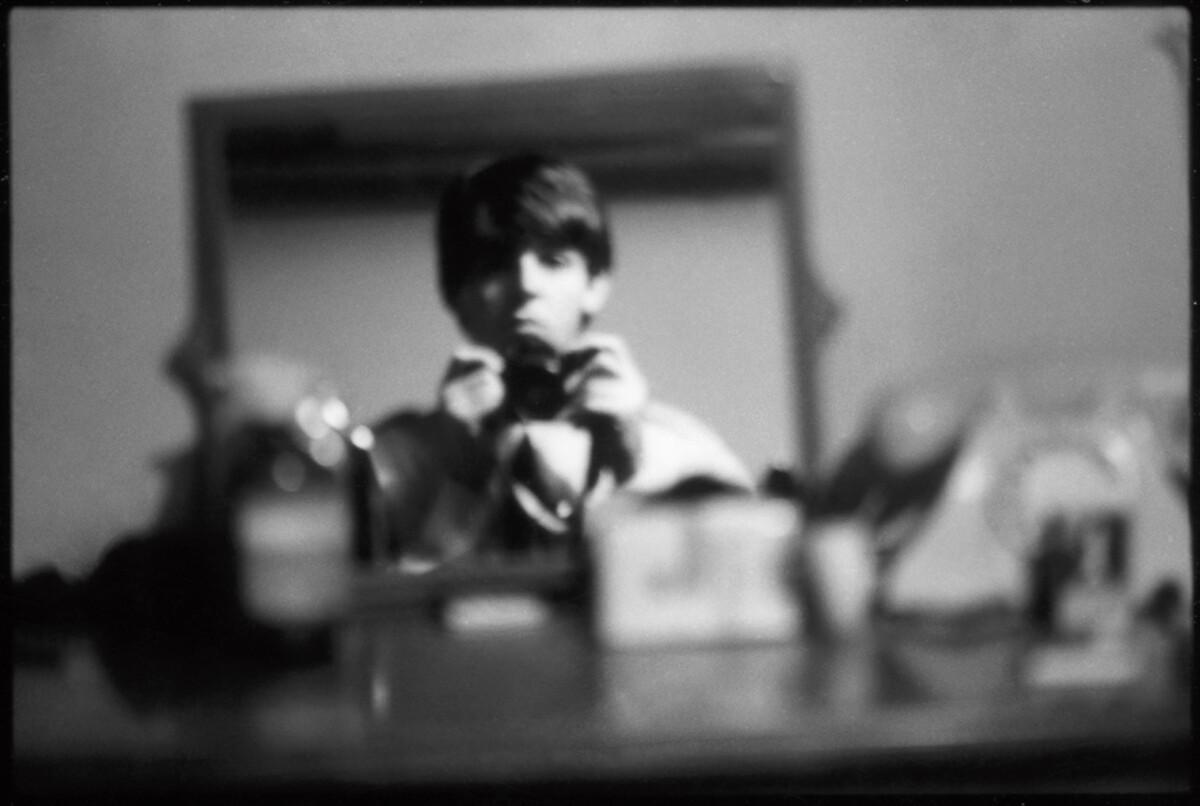
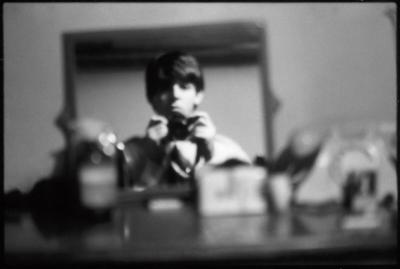
Paul McCartney, Self-portrait, 1963 © 1963 - 1964 Paul McCartney under exclusive license to MPL Archive LLP
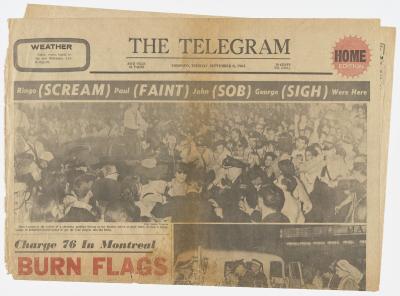
The events leading up to The Beatles’ first trip to America in February 1964 and their headline-grabbing arrival in New York read now like perfectly coordinated steps to success - a string of consequential moments that sealed the fate of four lads from Liverpool and the global phenomenon that was Beatlemania.
We’ve all seen the footage, the frenzied snaps from the thronging press, and watched as John Lennon, Paul McCartney, George Harrison and Ringo Starr endured barraging crowds of fans, police and reporters, all eager to come within touching distance. We’ve stood on the outside looking in, wondering how it must have felt to be there in the centre of it all.
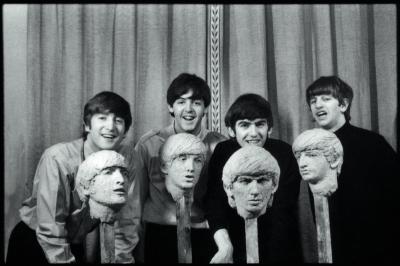
On view at the AGO, from McCartney’s personal archive and the National Portrait Gallery, London, England, comes Paul McCartney Photographs 1963-64: Eyes of the Storm. Featuring more than 250 intimate and historic photographs, shown alongside video clips and archival materials, the exhibition captures both the intensity of The Beatles’ touring schedule and the energy of the era, as well as more intimate views of his bandmates.
1964: Eyes of the Storm is a book of 275 photographs by McCartney, rediscovered in 2020 after over 50 years in his archives, that document the weeks leading up to The Beatles’ first US visit, with performances in Liverpool, London, and Paris, as well as their time spent in New York, Washington DC, and Miami. AGO visitors can purchase this book online and in-store at Shop AGO while quantities last.
Now that the exhibition is on view at the AGO, we’re resharing this conversation with McCartney. He discusses rediscovering these photographs, arriving in America for the first time and experiencing Beatlemania from the inside.
This interview has been edited for length and previously appeared on PaulMcCartney.com.
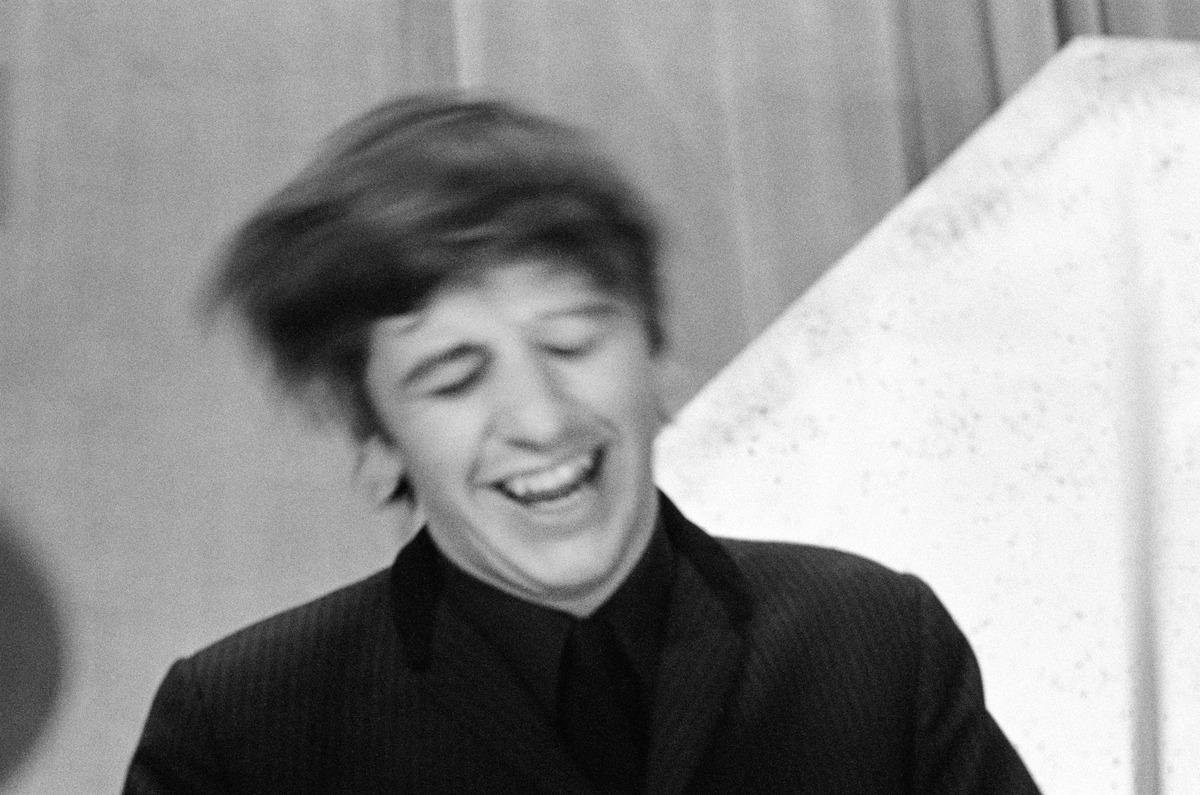
Paul McCartney, Ringo Starr. London, January 1964 © 1964 Paul McCartney under exclusive license to MPL Archive LLP
What were your thoughts when you saw these pictures again after so long?
I remembered them from that period, but obviously had a much clearer memory of them once I saw them. It was wonderful because it took me right back to the period and my relationships during that period with various people - The Beatles, my then-girlfriend, Jane Asher, and other people who were in my life at the time. It was a very warm surprise to go back so far in what were almost family snapshots of mine, but then to realize that the quality of the photographs was pretty good, and I enjoyed what I’d done in things like the choice of subject, the composition of the picture, and the mood of the subjects in the picture. It was a very, very pleasant surprise.
Did looking at those images make you recall any forgotten memories?
Oh, yeah. Loads. Every picture brings back memories for me. I can try and place where they were and what we were doing to either side of the picture. Pictures of us with the photographers, they bring back a memory like being in New York for the first time, and being taken down to Central Park, and the New York hard-bitten cameramen shouting out, ‘Hey Beatle, hey Beatle.’ We’d look at them, and they’d take the picture. ‘One more for the West Coast.’ I remember all of those stories.
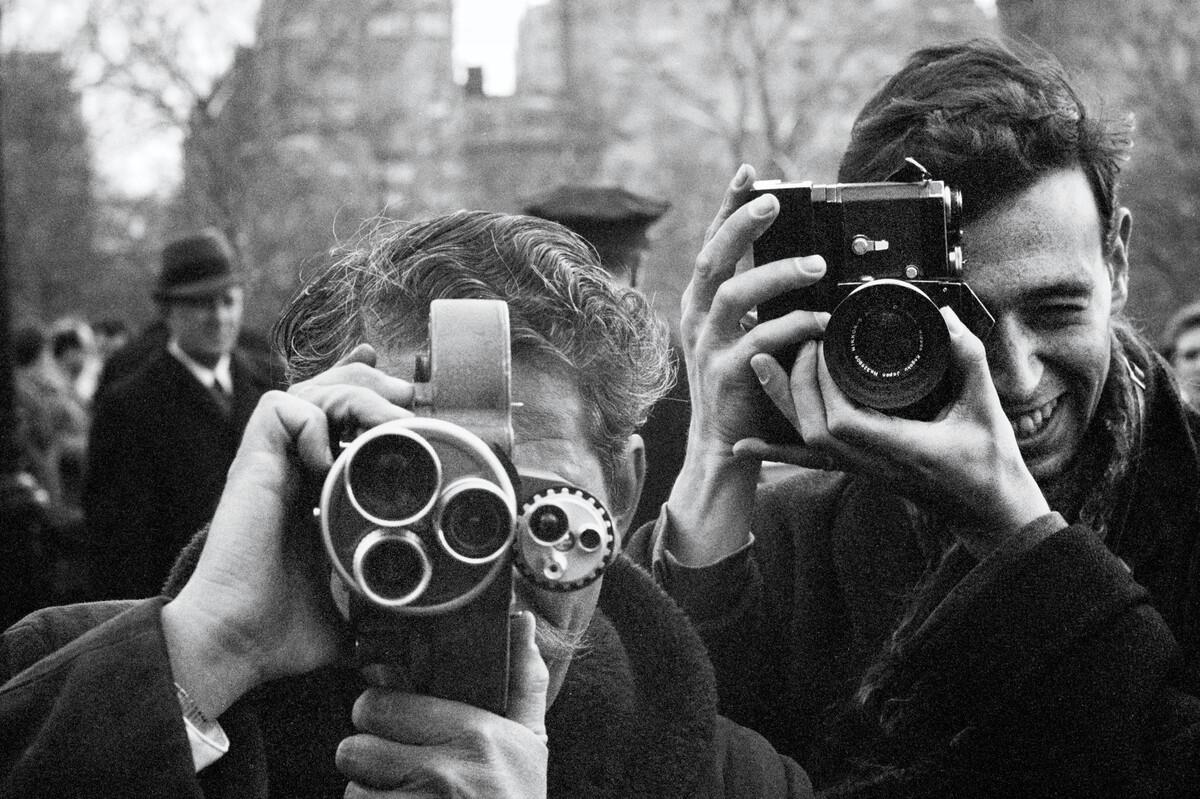
Paul McCartney, Photographers in Central Park. New York, February 1964 © 1964 Paul McCartney under exclusive license to MPL Archive LLP
There is a general sense of innocence in all of these photos, because it was the first time you’d experienced anything like this. Do you think you would take them differently now, or did this define your style, and this is how you now shoot?
I like to think I wouldn’t take them any differently. Looking at the photos, some of them were soft, and I could say, ‘Well, I wish I’d taken a bit more time to focus them up,’ but you didn’t have that time, and I’m quite glad now. I think of the work of Julia Margaret Cameron, and all her stuff is soft. All her great portraits, they’re not sharp at all, so I can get away with it. We were moving at a speed that you just had to grab, grab, grab, so it meant some of them were not as sharp as others, but I kind of like them. I like the mixture, actually; we’ve got some very sharp pictures, but then again, we’ve got some kind of more romantic shots with the softness. I was very pleased to see them after all those years and look back on them as a historical record and a cultural record, because they’re recording that period of time from an angle that nobody else had, from inside The Beatles. It’s a pretty unique and privileged angle to be taking them from.
Before you got there, what did America represent to you?
America was the big prize. It was where most of the music, if not all of the music, that we loved came from. It was the home of the movies that we loved to watch. The blues came from America. So many great things that we loved were American, and to us it was the land of the free. You had Elvis, Buddy Holly, Chuck Berry, Jerry Lee Lewis, Fats Domino, and then you had James Dean, Marlon Brando, and all the movie stuff. It was all very exciting and new and we were lapping it up. We were just infatuated with America. We landed at JFK to a huge reception of fans and it was like, ‘Hey look, they know about us!’ On our way from the airport to our hotel, we discovered a radio station and they were playing our music. We were like, ‘Ahh! Listen to this, we’re on the radio!’ The idea of being on the radio in America, in New York, was incredible. It was what we’d wanted, it was what we had aimed for. If you want success then, as the song says, if you can make it there, you can make it anywhere. And that was it: here we were, making it in New York.
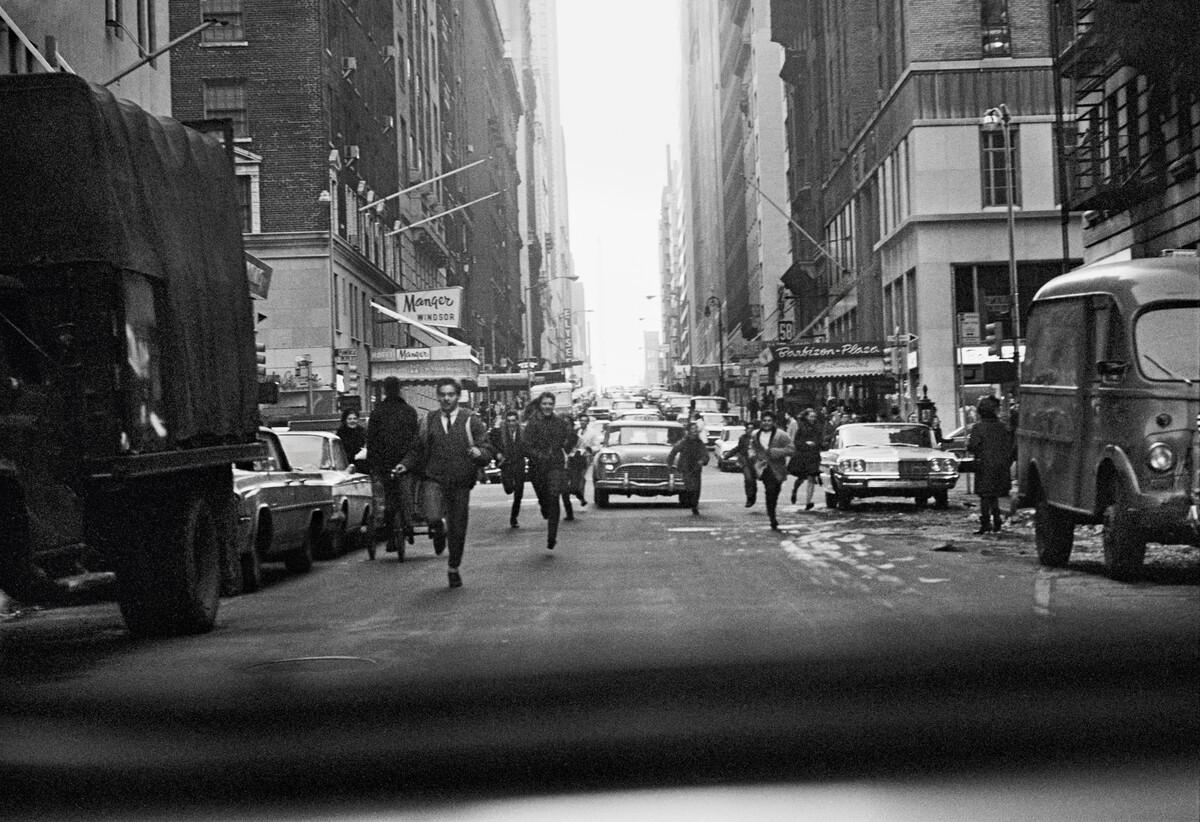
Paul McCartney, West 58th Street, crossing 6th Avenue. New York, February 1964 © 1964 Paul McCartney under exclusive license to MPL Archive LLP
Touching down in JFK was a pivotal and defining moment of The Beatles’ career - after that, everything changed. Was there a lot of pressure on you from then on?
Yeah, but because we were just wisecracking idiots and we had fun with each other, that relieved the pressure. Whatever we did and wherever we went, it could be the most nerve-racking thing, but you had this strength of the union, of your mates, and we knew we’d all just laugh at it. If you were nervous, we’d laugh at it; we’d giggle. It was always a safety valve. So, I don’t think there was that much pressure. I think we just were four mates going through life having a giggle, and incidentally playing some music.
Was it claustrophobic for you to be in the middle of that storm?
You would think it would be terrible. You’d think it’d be claustrophobic and painful, but I didn’t. I can only speak for me. This was something we wanted, so when it happened, when there were crowds outside the Plaza Hotel and the mounted policemen were holding them back, this was like being in a very exciting film. We were the stars at the centre of this thing. And the good thing was that there was never any malice. People may be running after us, but they just wanted to see us. They just wanted to say hi. They just wanted to touch us. It never felt dangerous to me. It felt that these were fans - particularly the young girls who were going mad - and it was because of our music. That was a validation of everything we were doing, so it felt good.
The historian Jill Lepore, who wrote the introduction for 1964: Eye of the Storm, said that in many ways, The Beatles helped change history in that intense period of 1964. Would you agree, and did you recognize it at the time?
Yeah. It was a year in which a lot of things changed. For us, it did because our fame crystallized and it became a very important time for us. But I think for the world too: colour television was coming in, the world was recovering from the shock of a President being killed, and our generation, which later became known as the baby boomers, we were now experiencing thrills and freedom and luxury that our parents hadn’t experienced. By the middle of the 1960s, we had so many things that our parents didn’t: travel, sexual liberation, money… it was a new time, and it was very exciting for us to be writing and recording music. Our parents would never have done that. If they had taken photographs, it would be for the family snapshot album, but here we were taking photographs of a Miami cop, or a Washington train ride or whatever. It was a really exciting time when we were at the vanguard of this vast new change in society. I often get people stopping me in the street and say, ‘Thank you for changing the world. Thank you for the music.’ It was exciting to be part of that change.
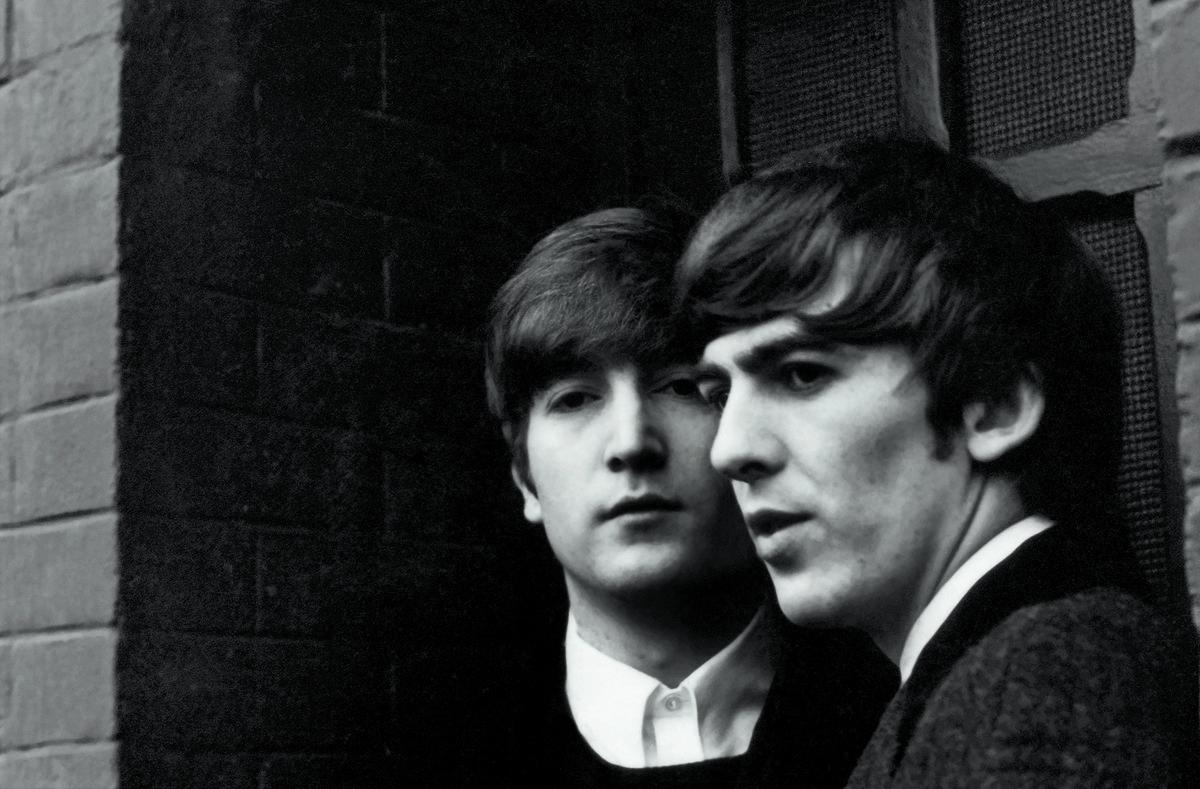
Paul McCartney, John and George. Paris, January 1964 © 1964 Paul McCartney under exclusive license to MPL Archive LLP
Paul McCartney Photographs 1963–64: Eyes of the Storm has been organized by the National Portrait Gallery, London, England, in collaboration with Paul McCartney. It is curated by Sir Paul McCartney with Sarah Brown for MPL Communications and Rosie Broadley for the National Portrait Gallery. The presentation at the AGO is organized by Jim Shedden, Curator, Special Projects & Director, Publishing.
AGO Members see Paul McCartney Photographs 1963–64: Eyes of the Storm first, beginning February 18, 2026. AGO Annual Passholders can access the exhibition beginning February 27, 2026. The exhibition opens to the public on March 24, 2026, and is free with general admission. The exhibition will be on view on Level 5 of the AGO from February 18, 2026, to June 7, 2026. The book 1964: Eyes of the Storm is available for purchase online and in-store at Shop AGO while quantities last.
Presented by Bloomberg Connects, a free digital app, the audio tour is available as of February 18. To access the audio guide, click here.
Signature Partner

Contributing Sponsor

Bloomberg Philanthropies - tier 2
Generous Support
DH Gales Family Foundation
Lorne Gertner & Emily Masuda
Steven & Lynda Latner
Rob & Cheryl McEwen
Anonymous
![Unknown photographer, Chillin on the beach, Santa Monica [Couple on beach blanket]](/sites/default/files/styles/image_small/public/2023-04/RSZ%20WMM.jpg?itok=nUdDiiKr)