Feb 18, 2026
An Exquisite Corpse of Photography at the AGO
Learn how a Surrealist game inspired the AGO’s newest photography exhibition
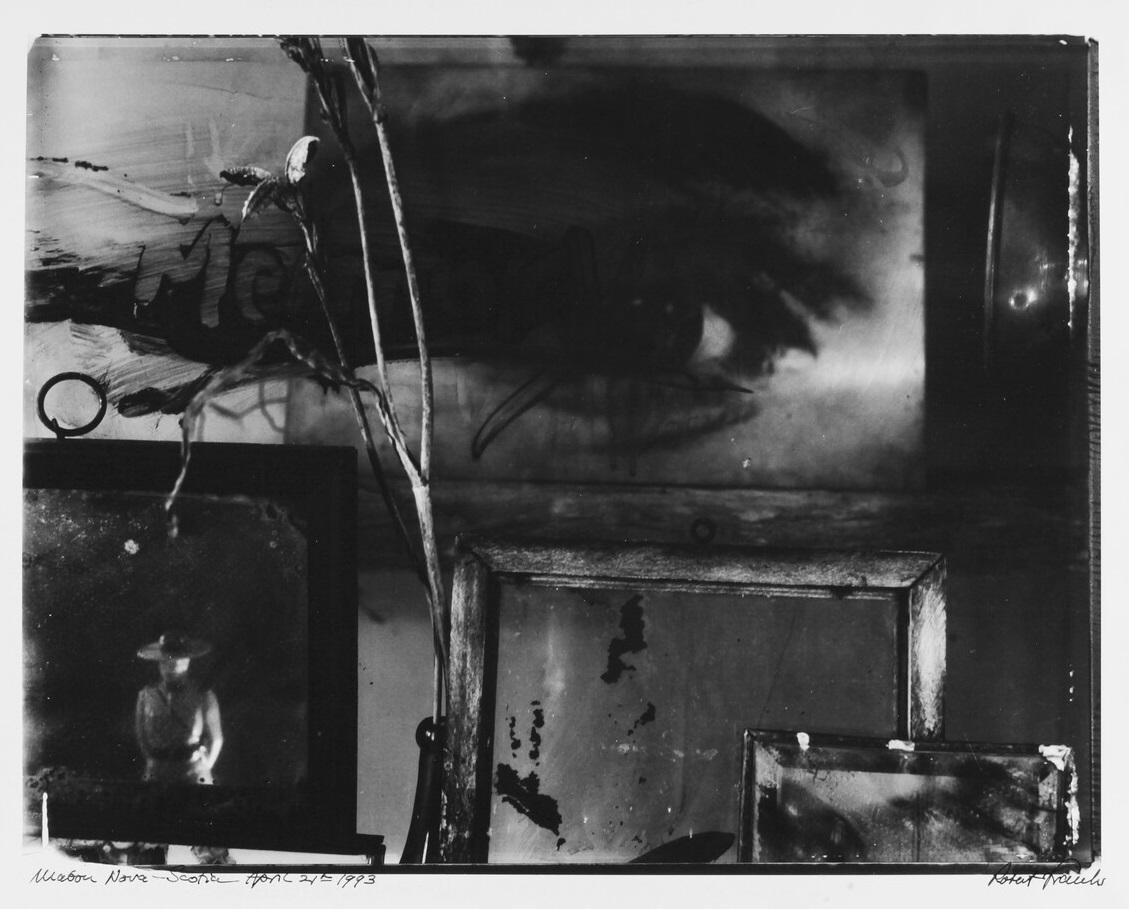
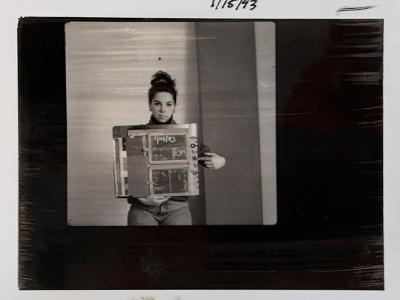
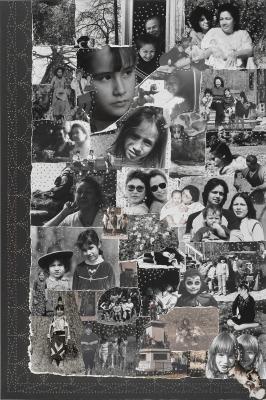
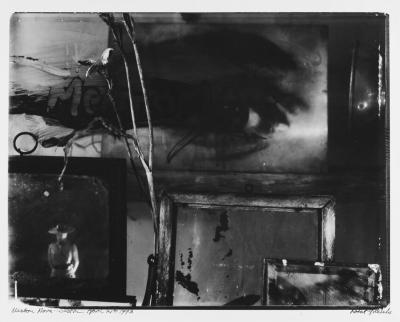
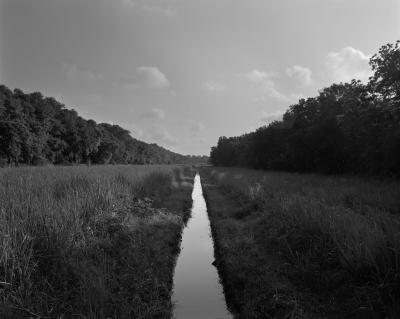
Robert Frank. Mabou Nova Scotia, April 21, 1993. Gelatin silver print, Overall: 40.5 × 50.4 cm. Art Gallery of Ontario. Purchase, Penny Rubinoff Fund for Photography, 2010. © Robert Frank Foundation. Photo: AGO. 2010/1
What makes a corpse exquisite? In the mid-1920s, French Surrealist André Breton and his counterparts answered this question by creating a parlour game rooted in the principles of their art movement. Cadavre exquis (exquisite corpse) is a collective drawing exercise in which each participant sketches a segment of a body, in succession, without any knowledge of the previously drawn segment. Once complete, the folded piece of paper concealing each artist’s contribution is unfolded, revealing a creature with a uniquely hybrid physique. The game would become a staple in Surrealist circles for decades to come.
In the early 1960s, African American poet and jazz musician Ted Joans relocated to Paris. He developed a close friendship with Breton, whose Surrealist ethos and creative community became a major source of inspiration for him. In 1975, Joans used the exquisite corpse framework to conceive of a much more expansive project. Armed with an endless stack of perforated computer paper, he began a 30-year-long global journey of exquisite corpse. By the time it was completed in 2005, his project Long Distance comprised over 130 hand-drawn contributions by some of the most influential artists of the late 20th century, including Conroy Maddox, Barbara Chase-Riboud and William S. Burroughs.
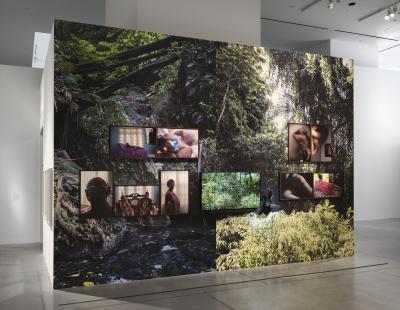
Meanwhile, in 2000 the AGO established its photography department, which would grow into a collection of 70,000 works over the next two and a half decades. Now, to mark the department’s 25th anniversary, the AGO continues the exquisite corpse tradition in the form of a major exhibition. Structured after the Surrealist parlour game, Collective Visions: Celebrating 25 Years of Photography brings together more than 90 artists, collectors, donors, curators, scholars and community leaders to select works from the Gallery’s vast photography collection. Each participant selected a photograph in response to the previous participant’s choice and provided a short text on why they selected the work they did. The result is a sprawling exhibition of 94 works which, in the words of department curator Sophie Hackett, “is a beautifully revealing portrait of photography at the AGO – a collection as expansive as the medium itself.”
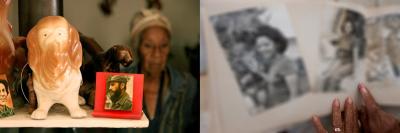
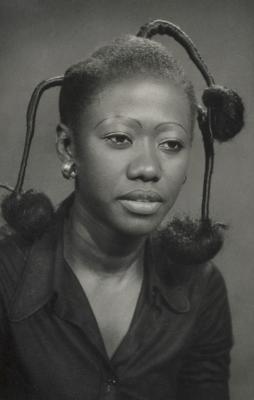
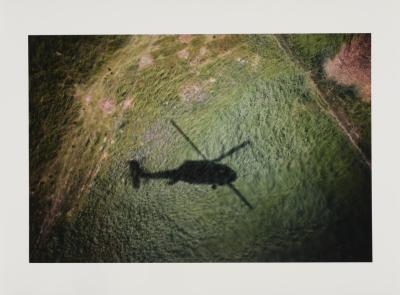
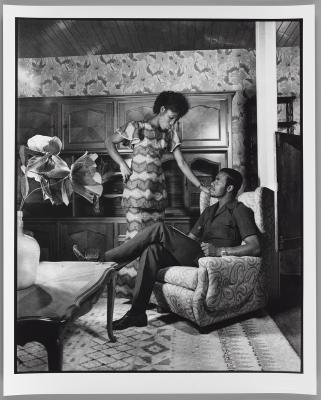
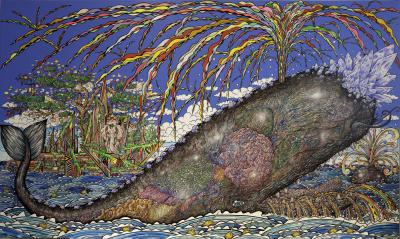
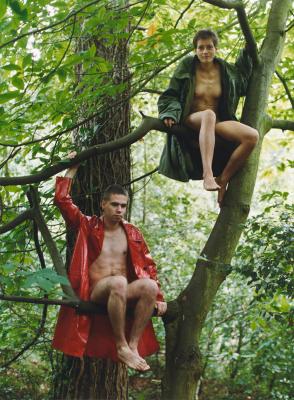
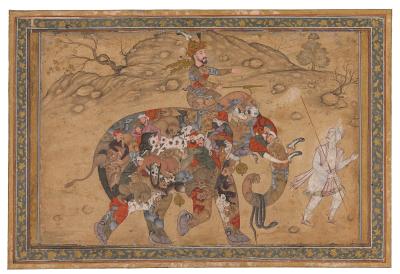
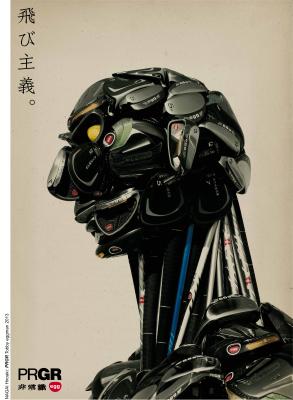
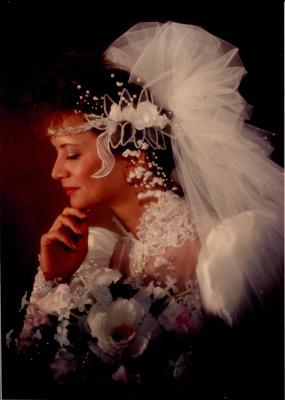
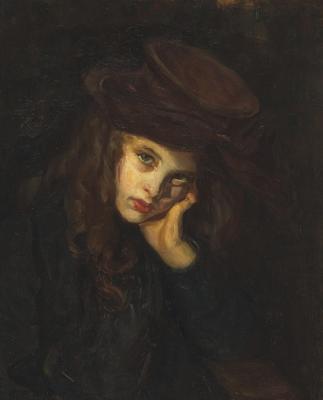
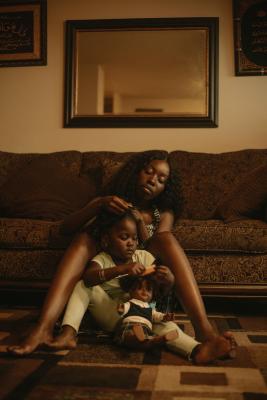
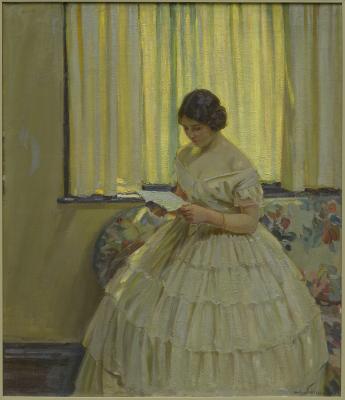
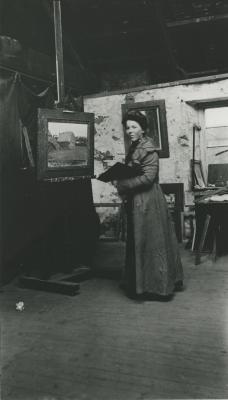
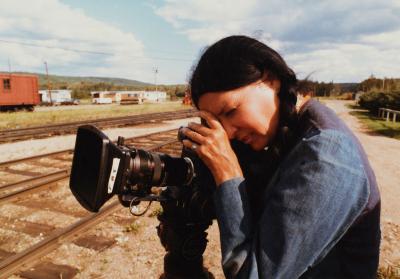
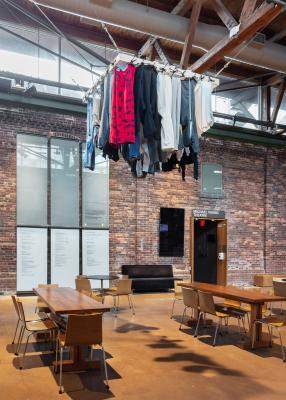
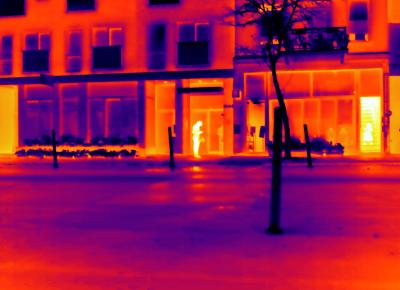
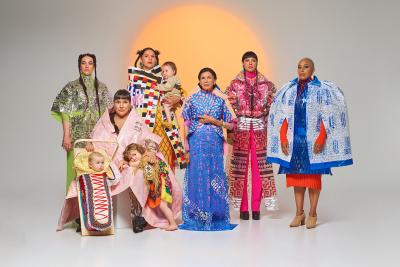
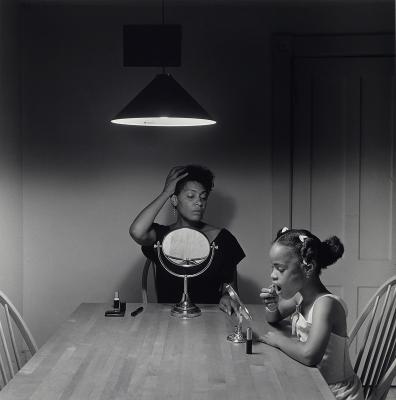
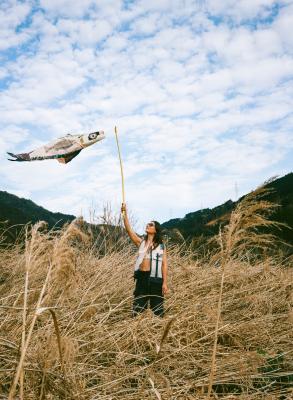
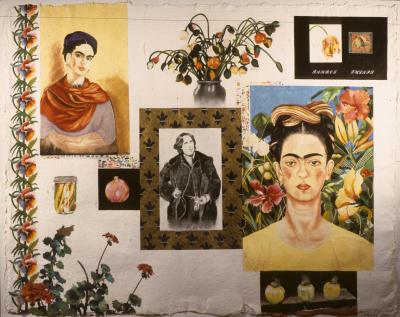
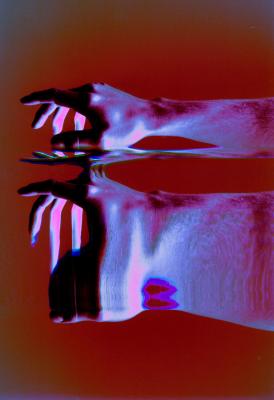
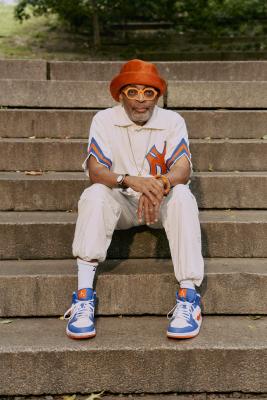
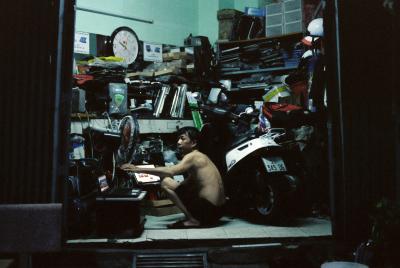
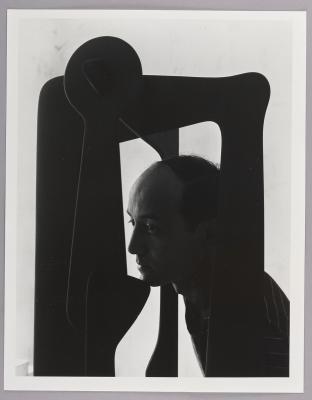
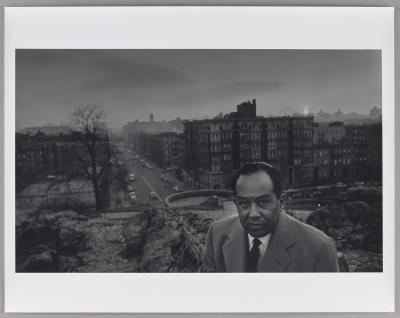
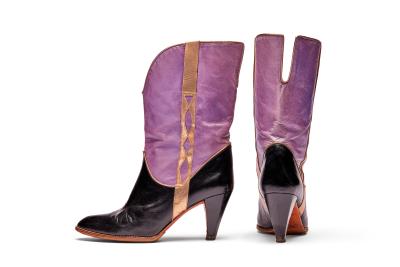
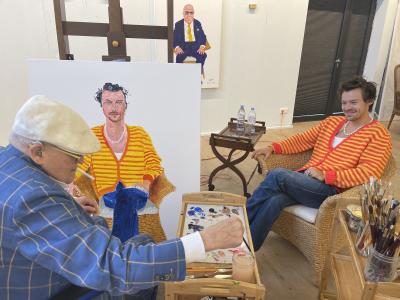
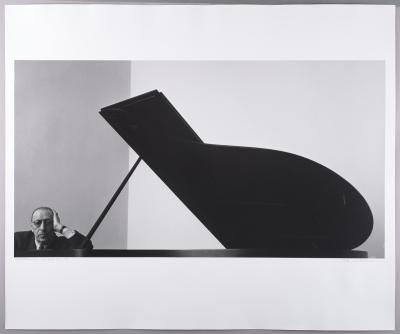
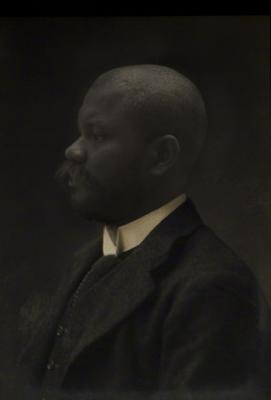
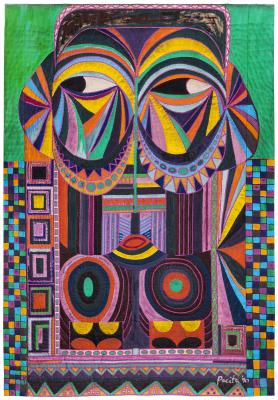
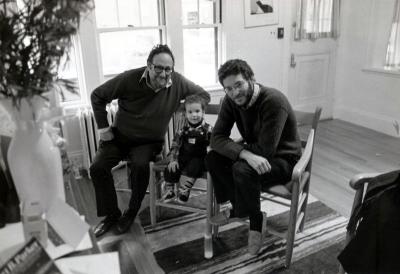
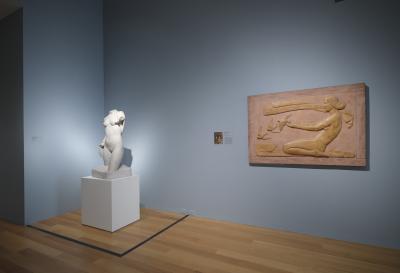
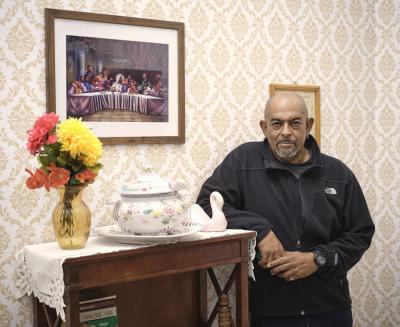
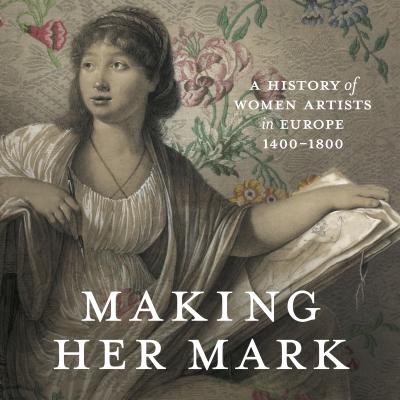
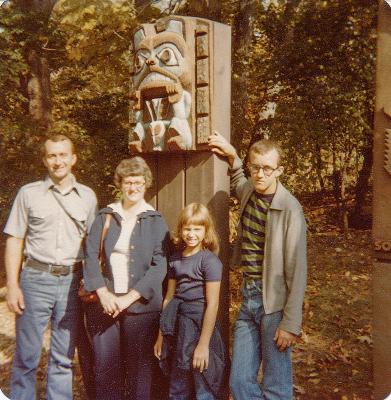
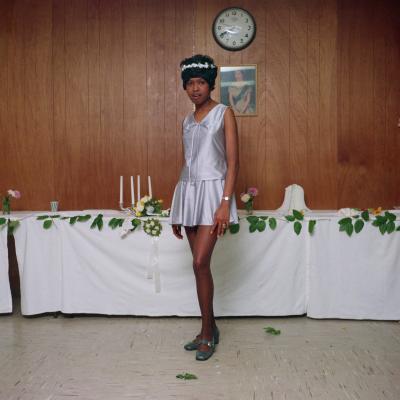
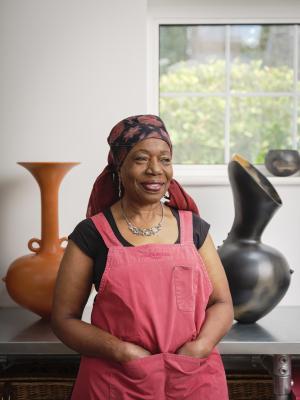
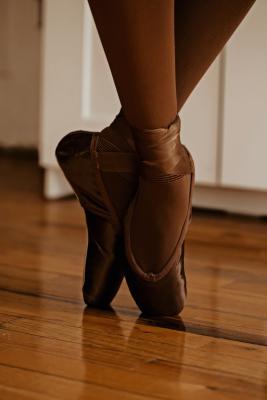
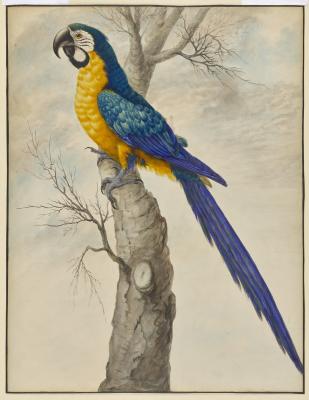
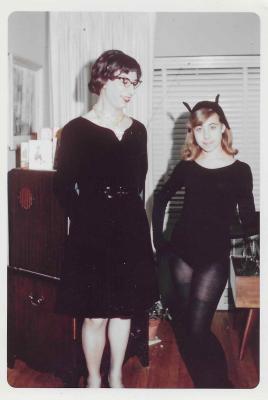
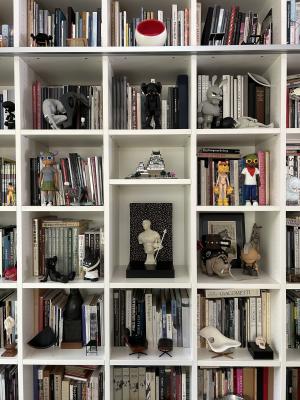
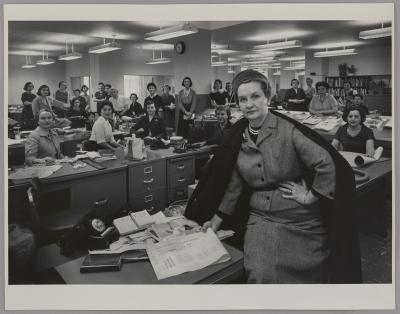
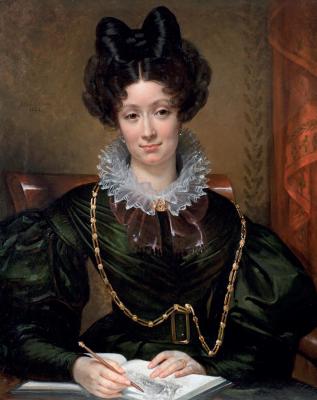
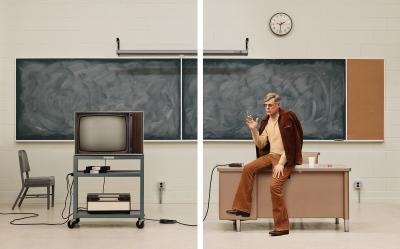
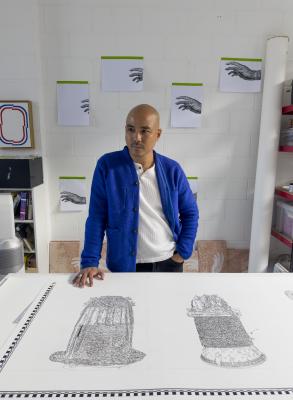
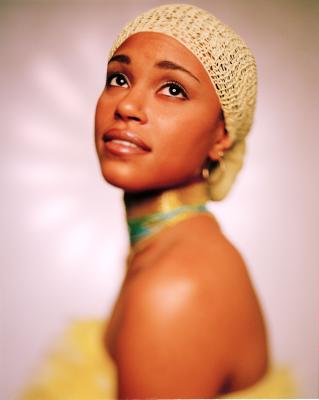
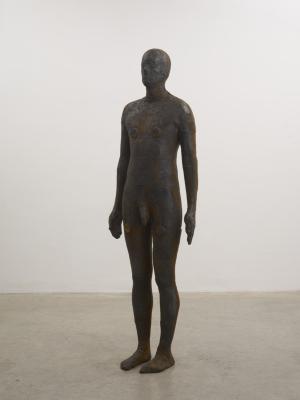
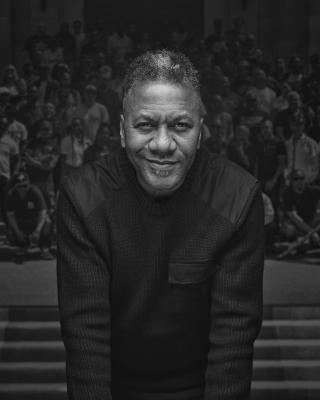
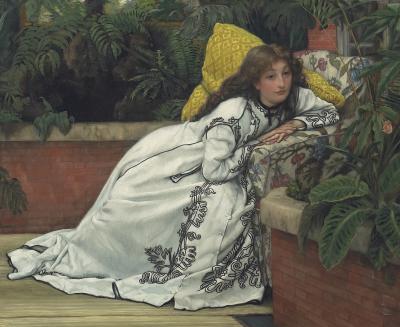
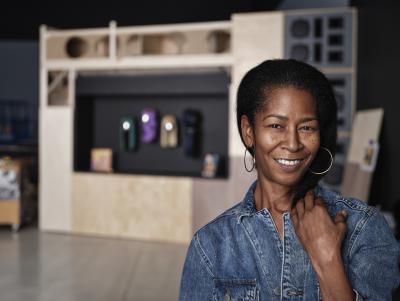
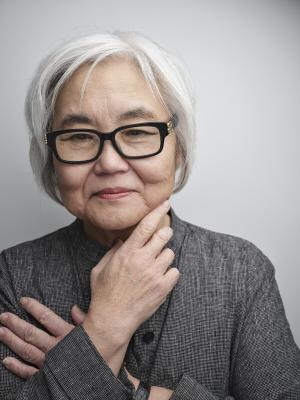
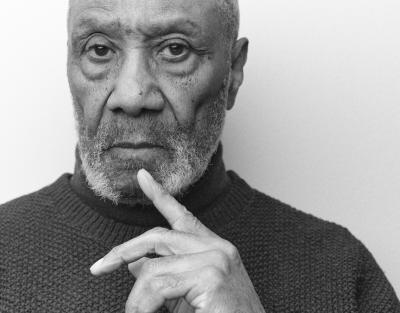
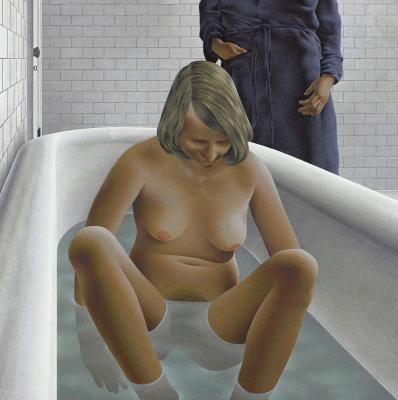
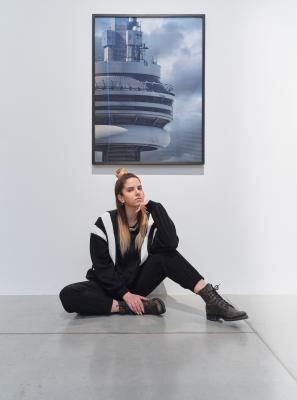
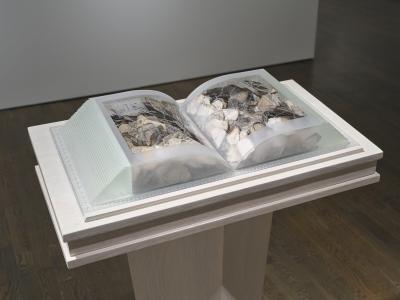
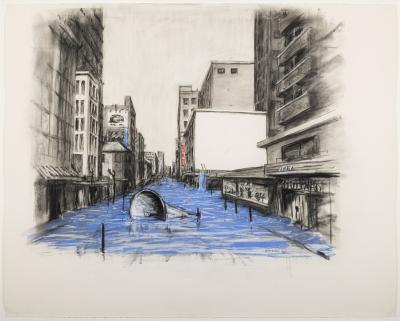
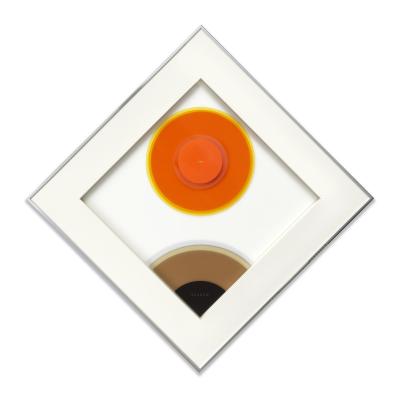
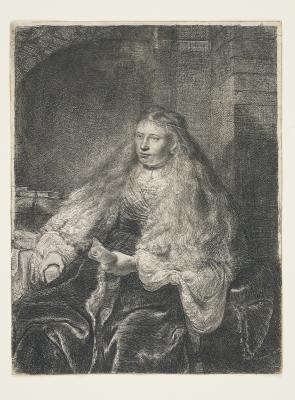
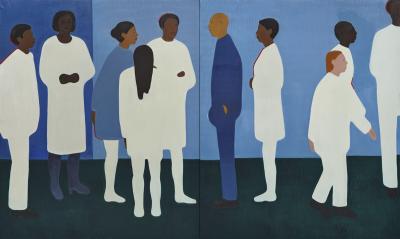
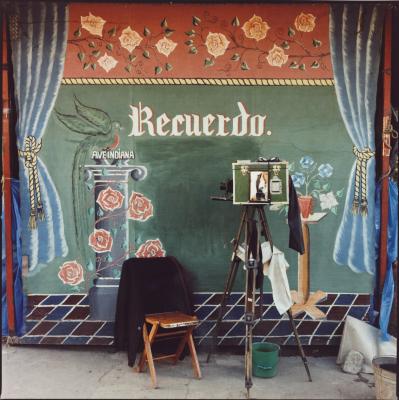
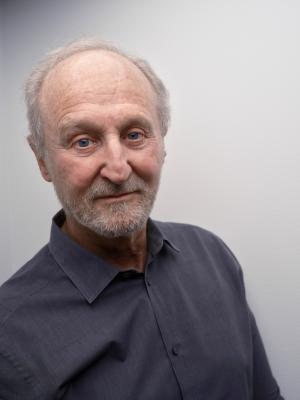
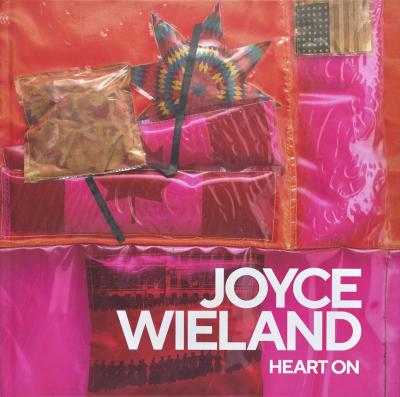
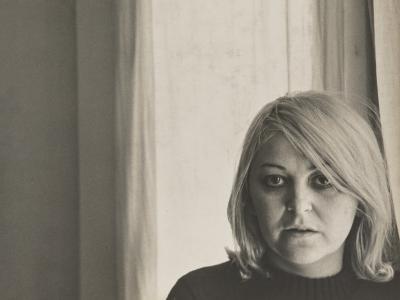
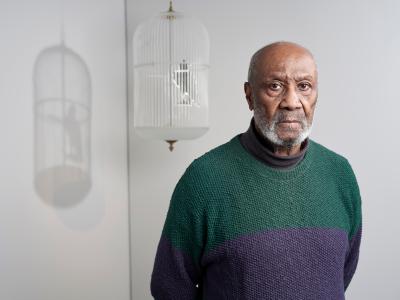
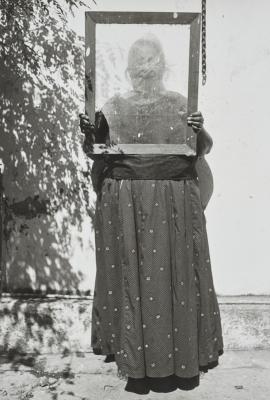
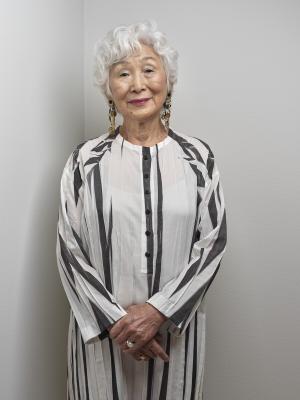
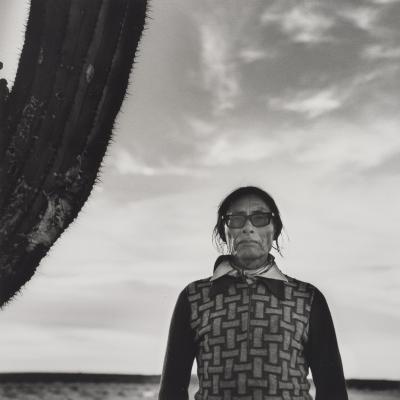
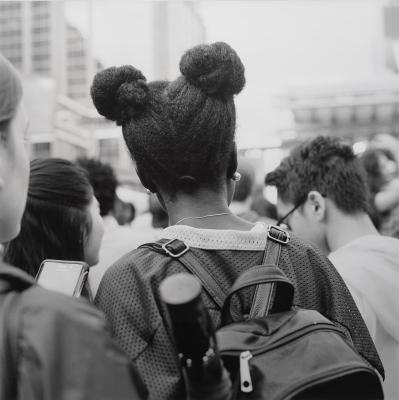
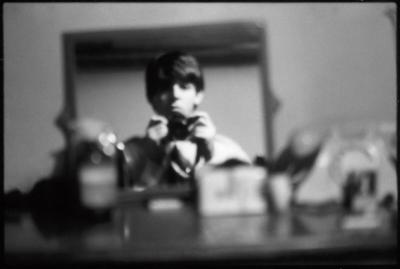
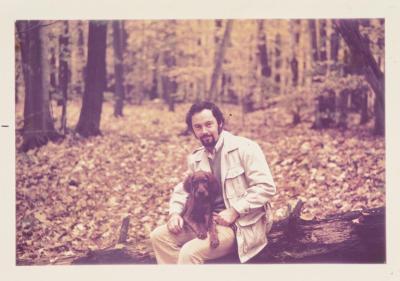
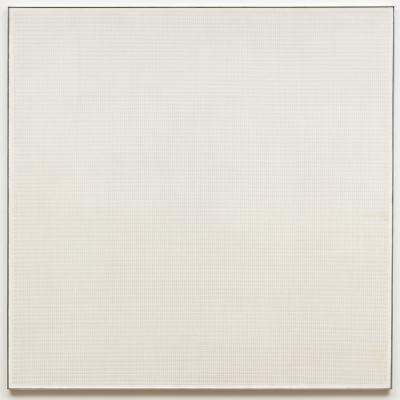
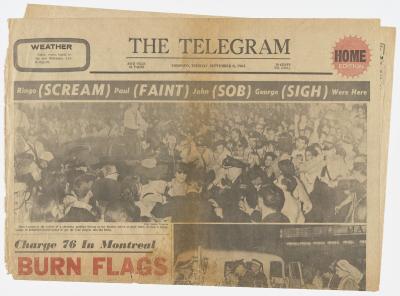
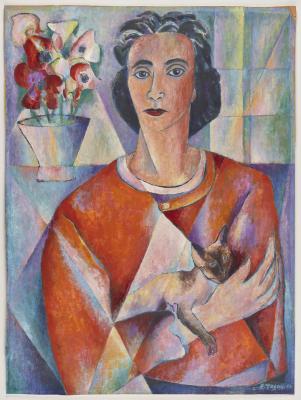
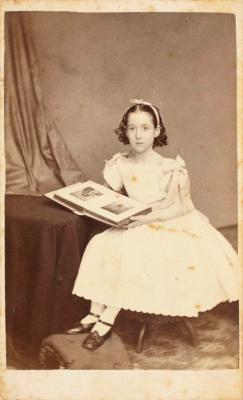
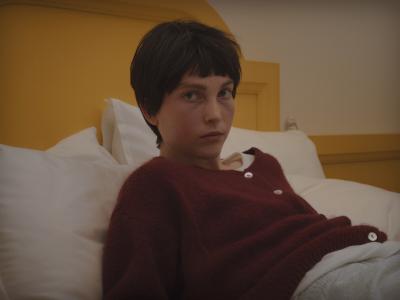
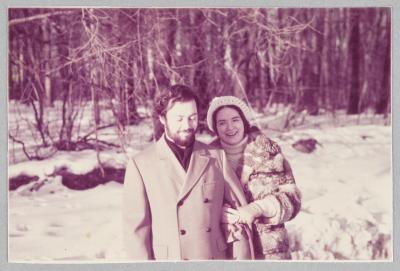
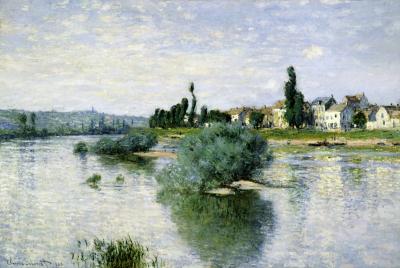
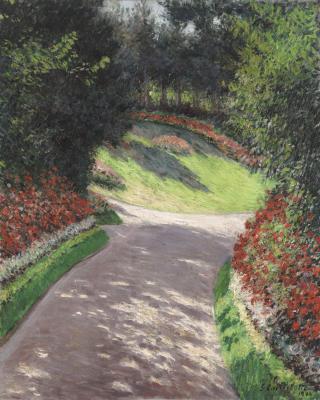
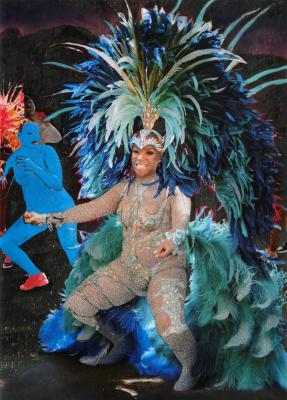
Take a closer look at selections 70 – 73 from the exhibition.
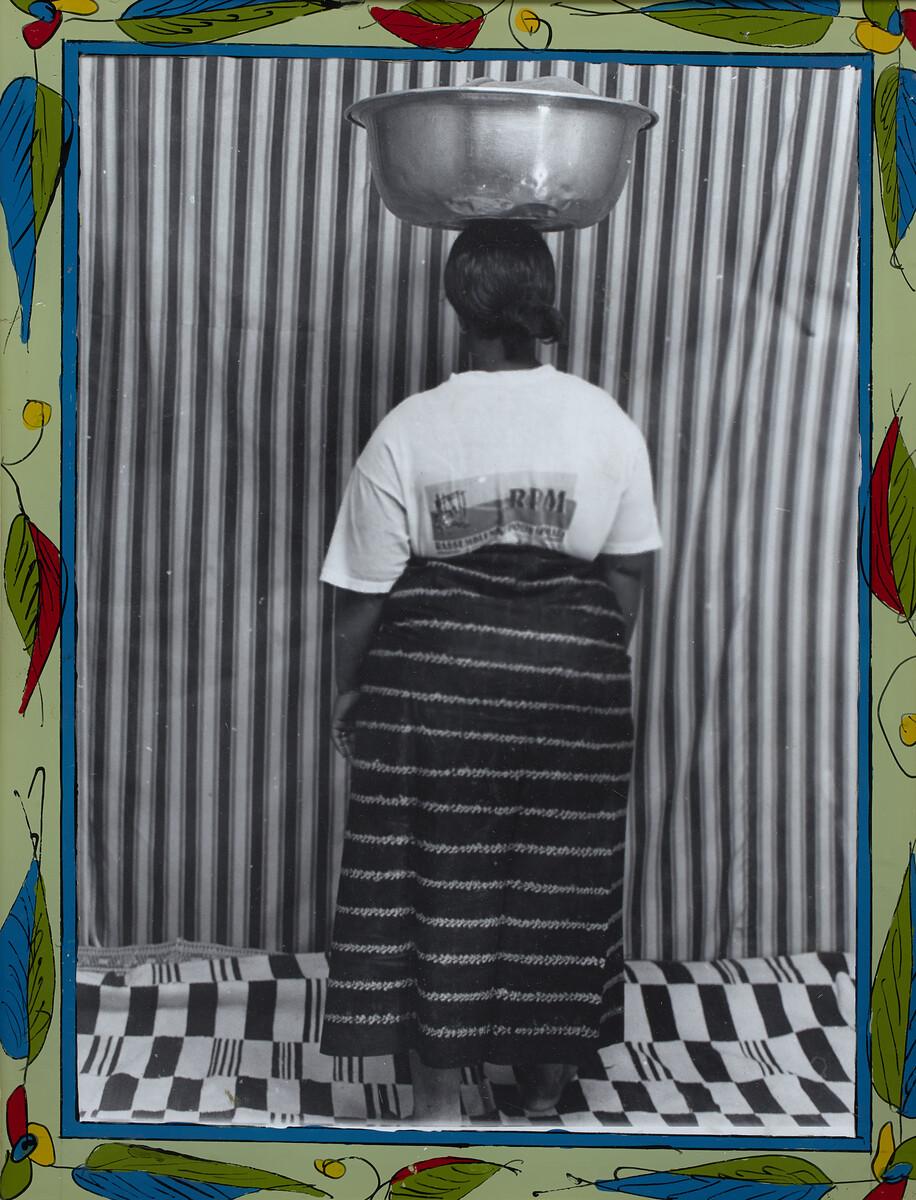
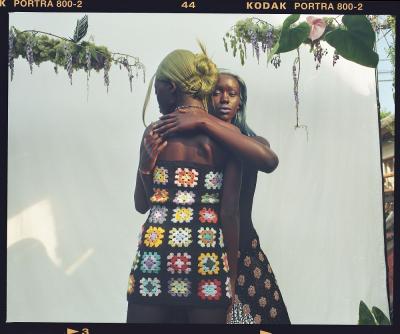
Malick Sidibé. Vues de dos - Juin, 2003. Vintage gelatin silver print, glass, paint, cardboard, tape, and string, Image: 36.2 × 26.4 cm. Art Gallery of Ontario. Purchase, with funds from the Photography Curatorial Committee, 2020. © Malick Sidibé. Courtesy of the family of Malick Sidibé and Jack Shainman Gallery, New York. 2019/2335
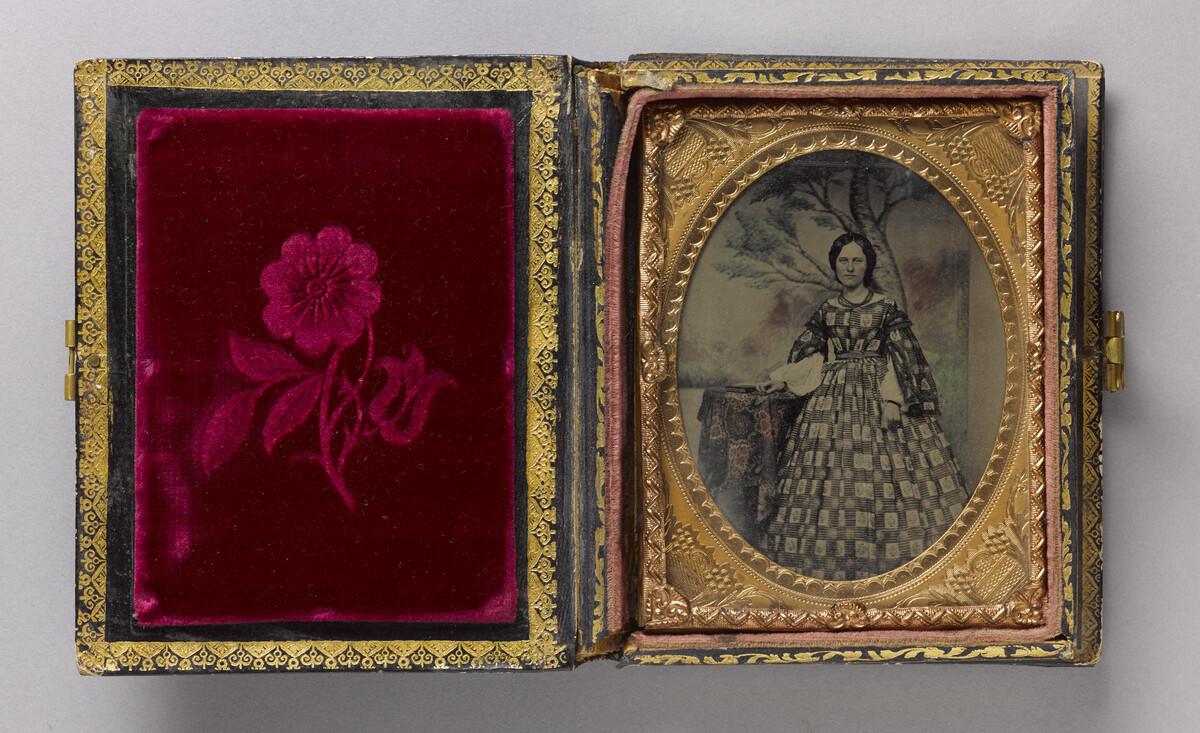
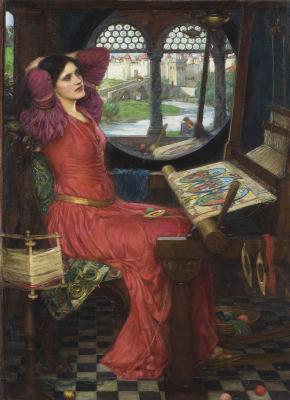
British or French. [Woman in patterned dress, standing in front of painted landscape backdrop], 1850s-1860s. Ambrotype: quarter plate with applied colour, in leather and wood book-style case with mother of pearl inlay and gilt, Case: 10.5 × 12.7 cm. Art Gallery of Ontario. Purchase, donated funds in memory of Eric Steiner, 2016. Photo © AGO. 2016/162
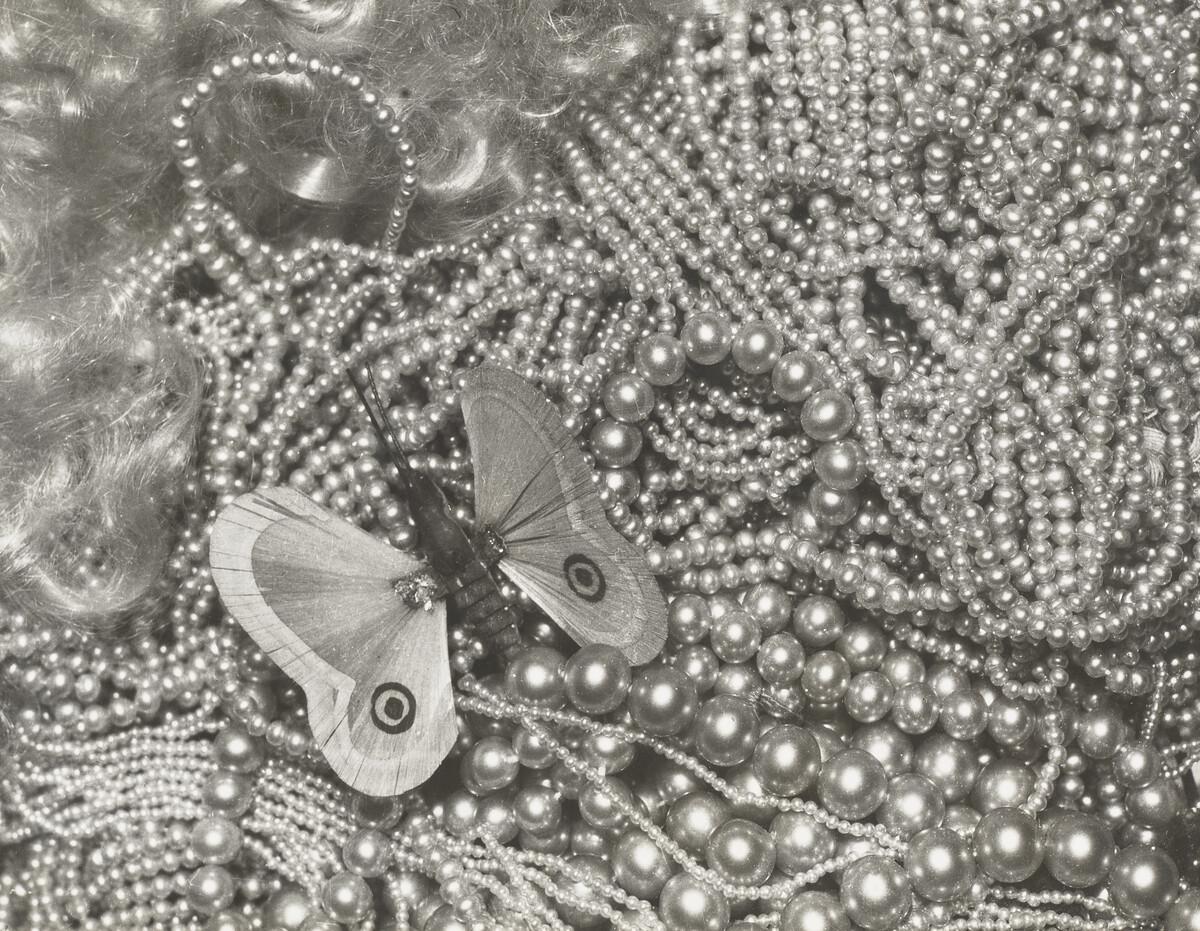
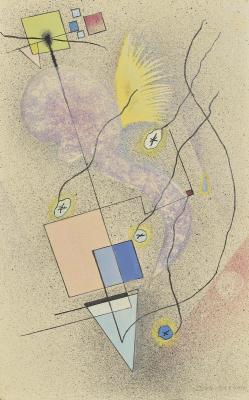
Herbert Bayer. Paris, 1930. Gelatin silver print, ferrotype, Overall: 27.9 × 21.6 cm. Art Gallery of Ontario. Purchase, with funds from the Photography Curatorial Committee, 2025. © Estate of Herbert Bayer / VG Bild-Kunst Bonn / CARCC, Ottawa 2025. Photo: AGO. 2024/391
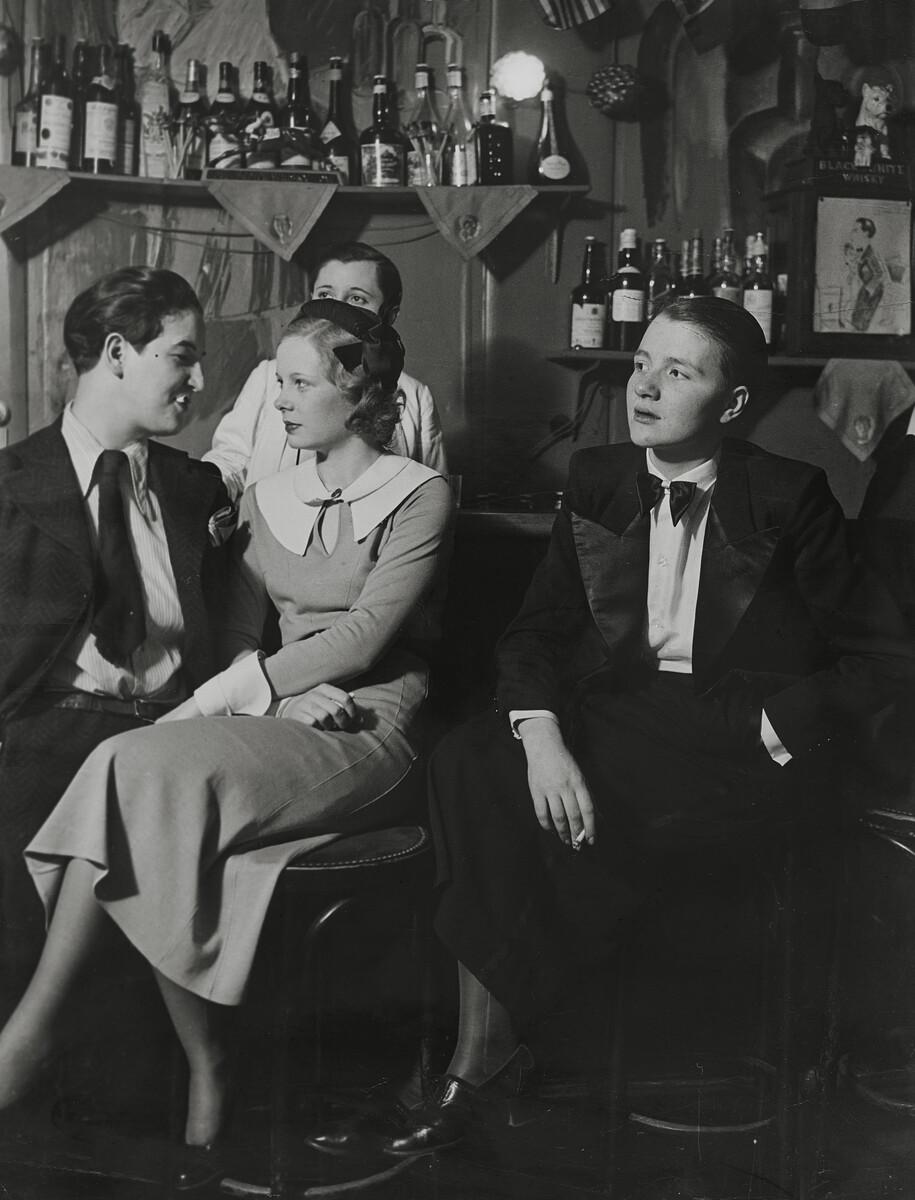
Brassaï. At the Monocle, c. 1932, printed c. 1955. Gelatin silver print, Overall: 29.7 × 22.5 cm. Art Gallery of Ontario. Purchase, funds donated by Rupert Duchesne and Holly Coll-Black, 2014. © Estate Brassaï Succession – Paris. 2014/393
Poetically, the Collective Visions exquisite corpse begins with the selection of the AGO Photography department’s founding curator, Maia-Mari Sutnik. Her pick is Mabou Nova Scotia, April 21 (1993), a significant work by American photographer Robert Frank that commemorates his late daughter. “His grief is expressed in this collage tableau,” Sutnik remarks in her accompanying text, “reflecting on memory and the loss of his daughter, whose birthday was April 21.” Coincidentally, Sutnik’s selection shares some aesthetic qualities with typical exquisite corpse drawings, given the surreal close-up of a human eye in the center of the photograph.
For Hackett, it was important when organizing Collective Visions to exemplify that the genesis of the AGO’s photography collection is community. “I wanted to highlight the fact that creating a public art collection is a collective endeavour,” says Hackett. “For her first major photography exhibition at the AGO in 1984—because the gallery had no collection at the time—Maia went out into the community to borrow artworks. Now that we have such an expansive collection (thanks to that same community), I felt it would be a fitting reversal to have them select works to mark our anniversary.”
The AGO’s celebratory spin on exquisite corpse, Collective Visions: Celebrating 25 Years of Photography, is on view now in the Edmond G. Odette Family Gallery and Robert & Cheryl McEwen Gallery (galleries 128 and 129) on Level 1.
To mark the exhibition, on March 10 and 11, the AGO and the Museum of Contemporary Art, Toronto, will host a symposium on photography in Toronto.
Generous Support
David W. Binet
Gale M. Kelly
The Schulich Foundation
Jack Weinbaum Family Foundation
George Yabu & Glenn Pushelberg
Anonymous
Contemporary programming at the AGO is supported by