Jun 4, 2026
Robert Houle’s Mark on Walker Court
Learn more about the acclaimed Anishinaabe Saulteaux artist’s complex history with the AGO’s central space
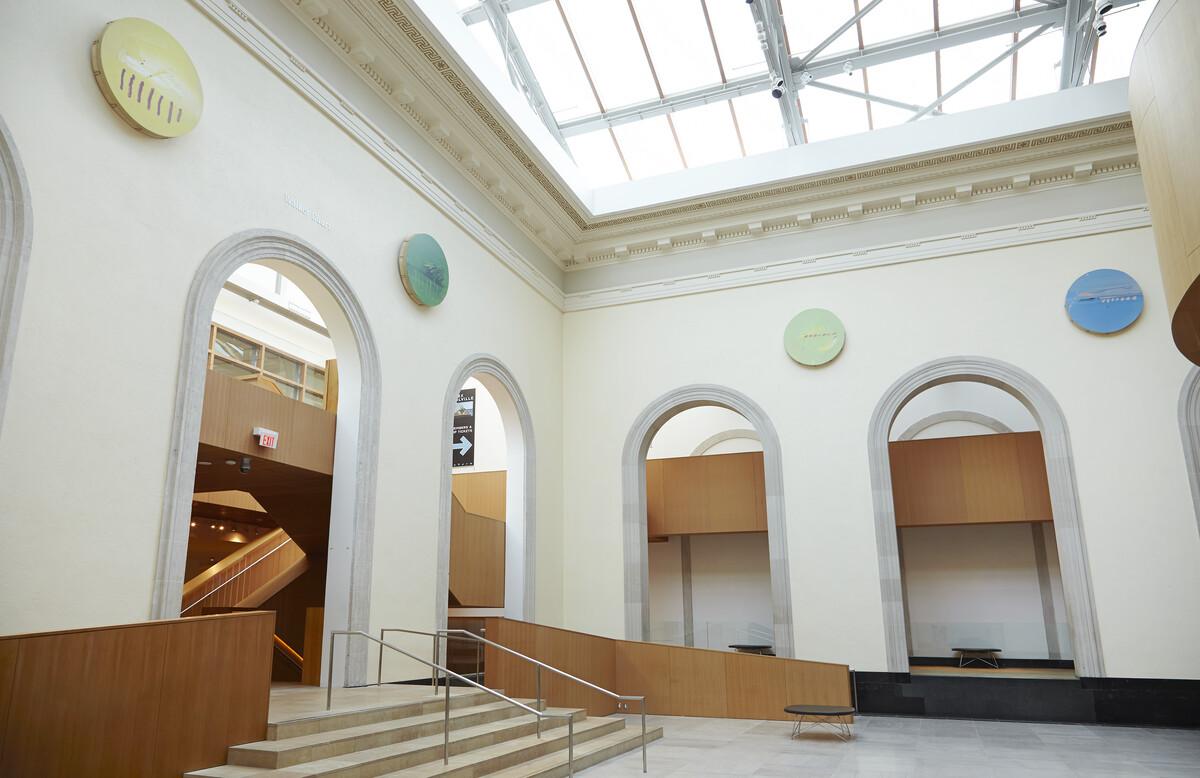
Robert Houle, Seven Grandfathers: Sah Gee Wá Win (Love), Me Ge Zée (Eagle); Neb Wah Káh Win (Wisdom), Uh Mik (Beaver); Me Nah Da Ne Mo Win (Respect), Músh Kooda Pezhéke (Buffalo); Tah Bus Sá Nin De Zoo Win (Humility), Mahéen Gun (Wolf); Dah Wa Win (Truth), Shin Gah Dá Me Quaun (Turtle); Sóon Ge Daá Win (Courage), Muh Quáh (Bear); Quuh Yu Koo Sá Win (Honesty), Ma Sah Beh (Transforming Figure of the Woodlands), 2014. Digital prints, each of 7 drums: 20.3 cm (diameter). Art Gallery of Ontario. Purchased with the assistance of the Martinsell Fund, 2016. © Robert Houle. Photo: AGO. 2015/38.1-.14
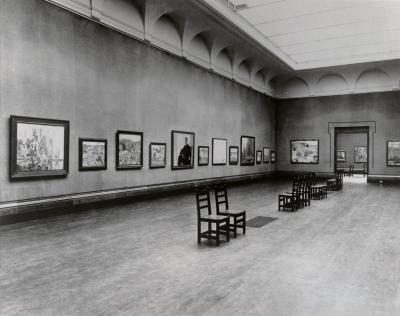
In 1984, Anishinaabe Saulteaux artist Robert Houle visited the AGO. Upon entering Walker Court, he encountered a newly installed work by German artist Lothar Baumgarten (1944-2018), entitled Monument for the Native People of Ontario. In large-scale Roman font, Baumgarten had emblazoned the walls of Walker Court with the names of eight Anishnaabe nations of Ontario. Houle was immediately taken aback by the German artist’s slapdash approach to research – some nations’ names were misspelled, and linguistic groups, regions and tribes were haphazardly mixed together. This difficult moment sparked a chain of events that ultimately resulted in Houle’s 2014 masterwork and permanent fixture of Walker Court, Seven Grandfathers.
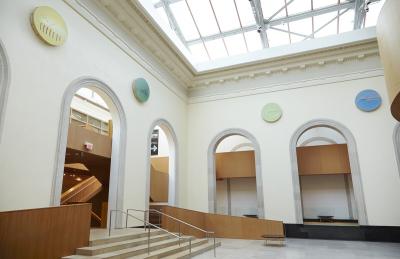
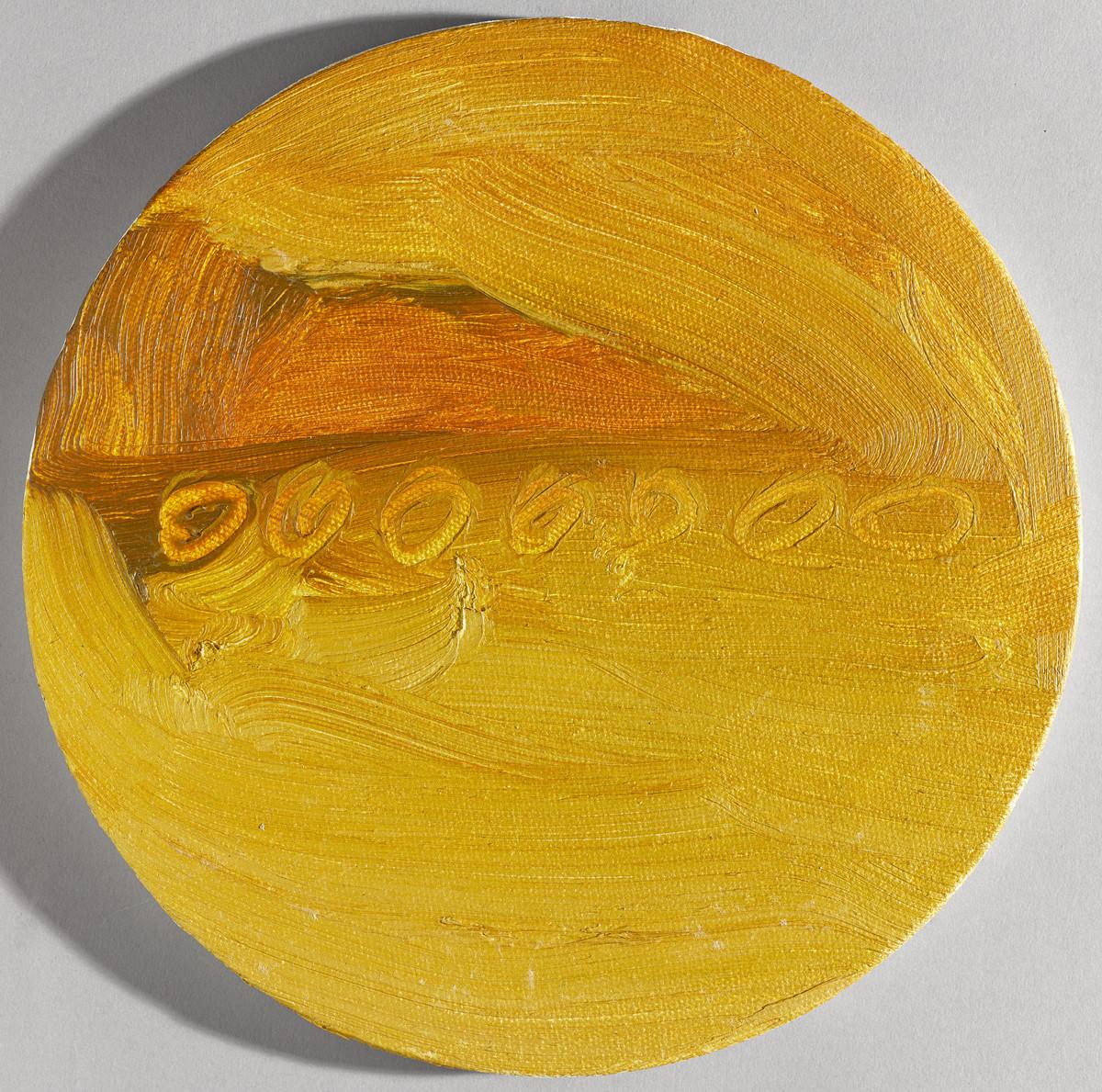
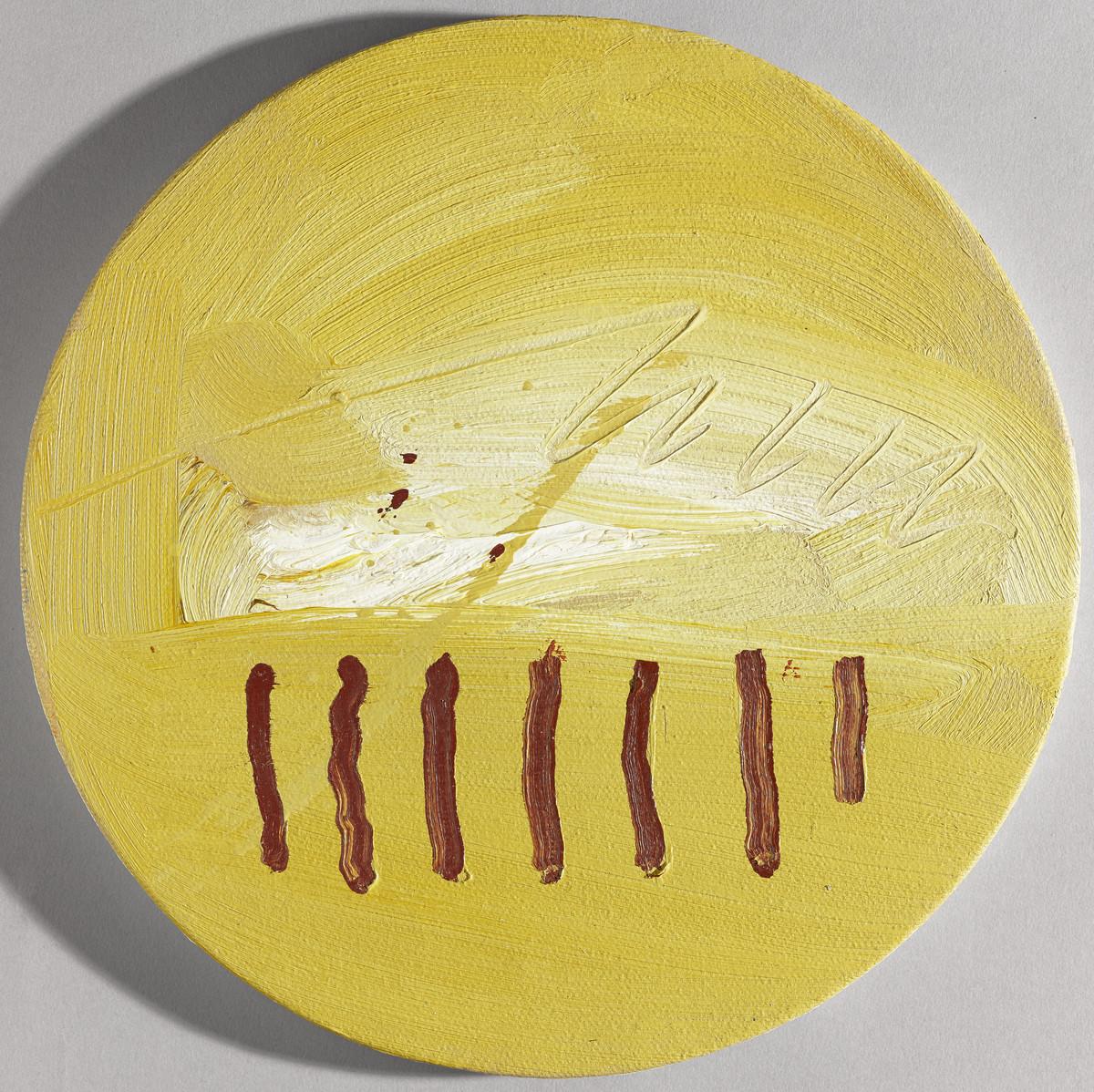
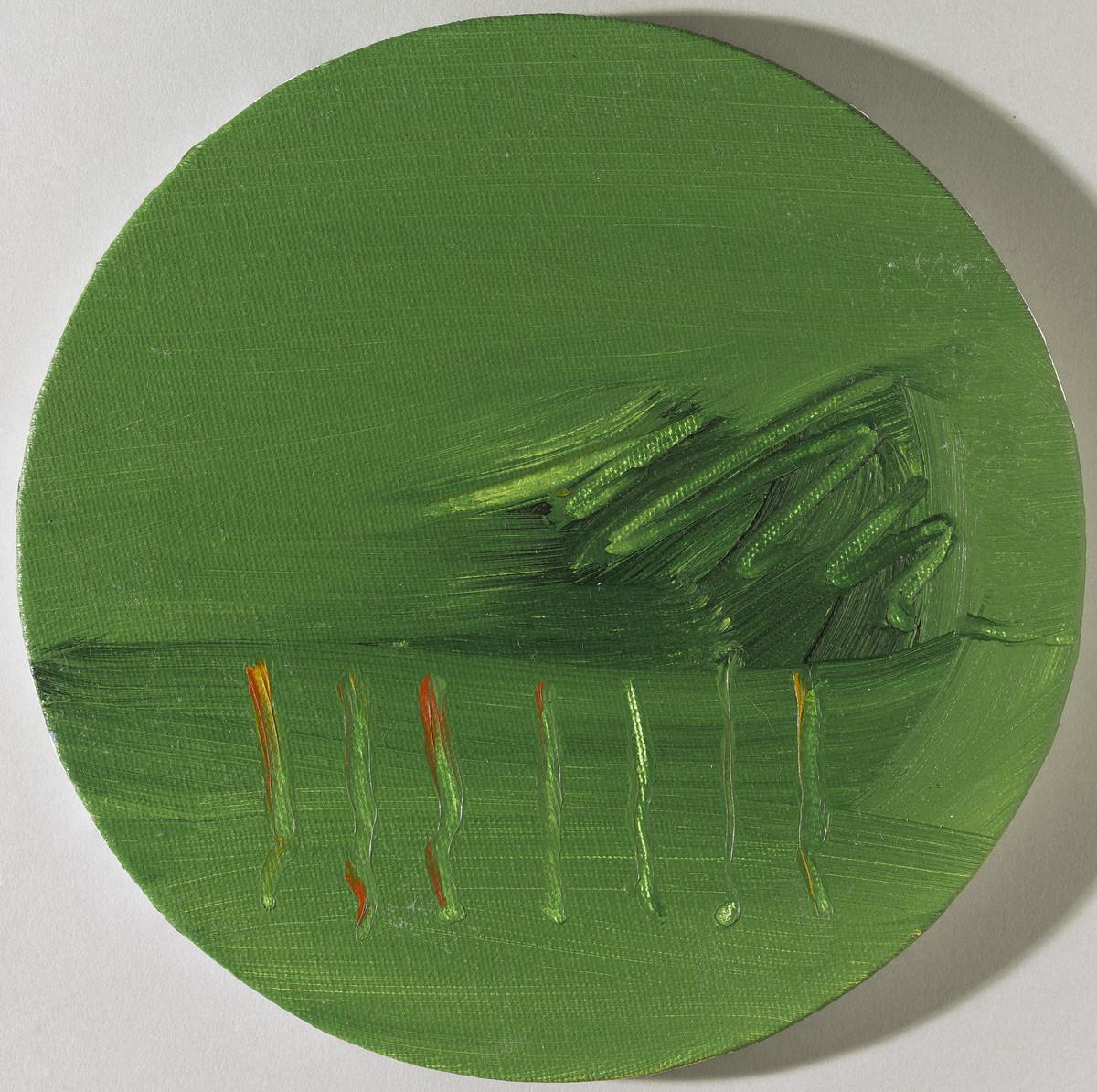
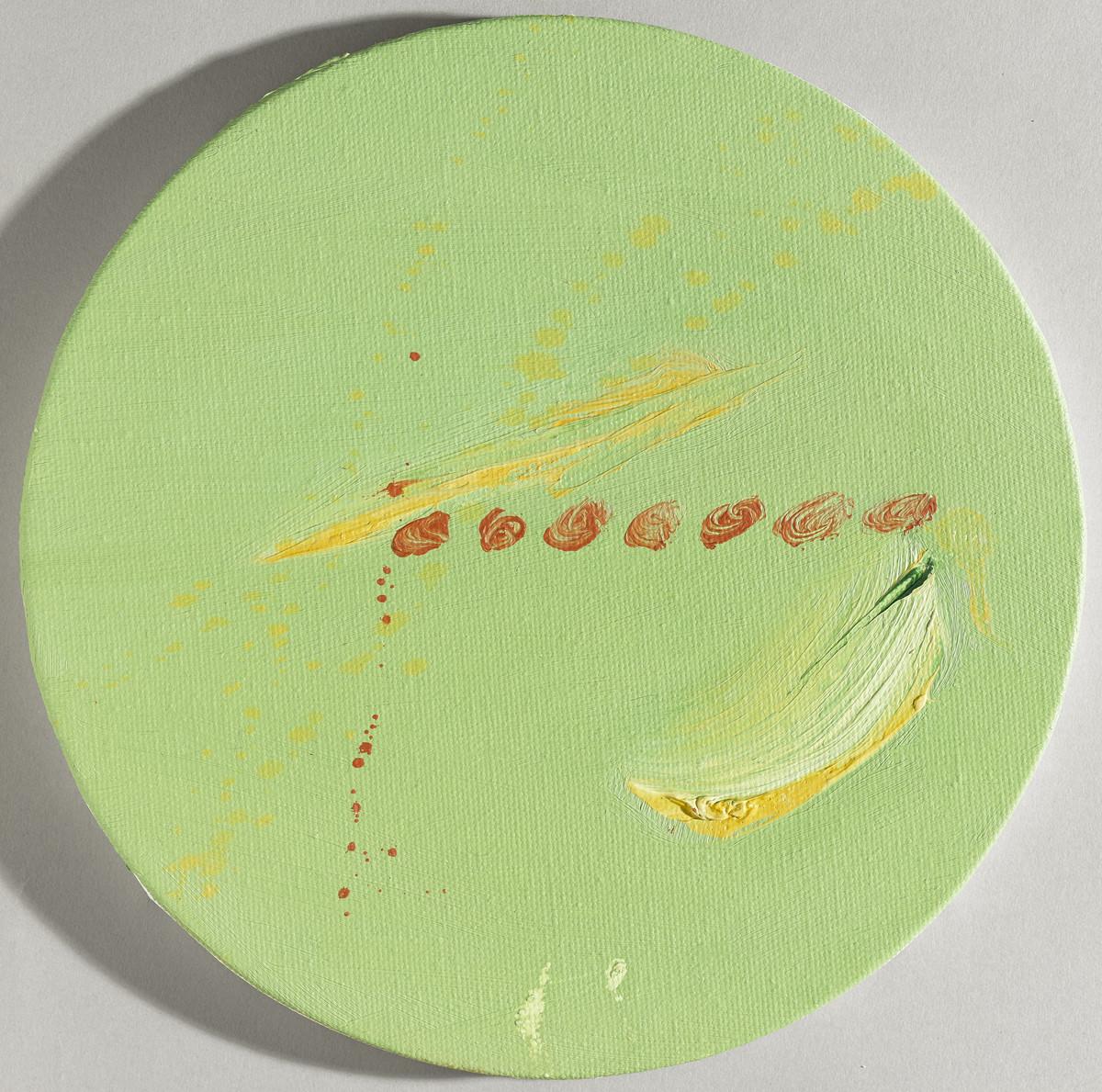
Perched above the towering arches of Walker Court’s four walls, Seven Grandfathers consists of seven large circular paintings, fashioned in the style of ceremonial drums. On each, Houle creates a monochromatic, gestural abstraction corresponding to one of the seven traditional teachings in Anishinaabe culture, known as The Seven Grandfather Teachings. Each painting corresponds to the sacred animal and principle associated with its respective teaching: the eagle embodies love; the beaver embodies wisdom; the wolf embodies humility; the buffalo embodies respect; the turtle embodies truth; the bear embodies courage; and a woodland transformational figure embodies honesty.
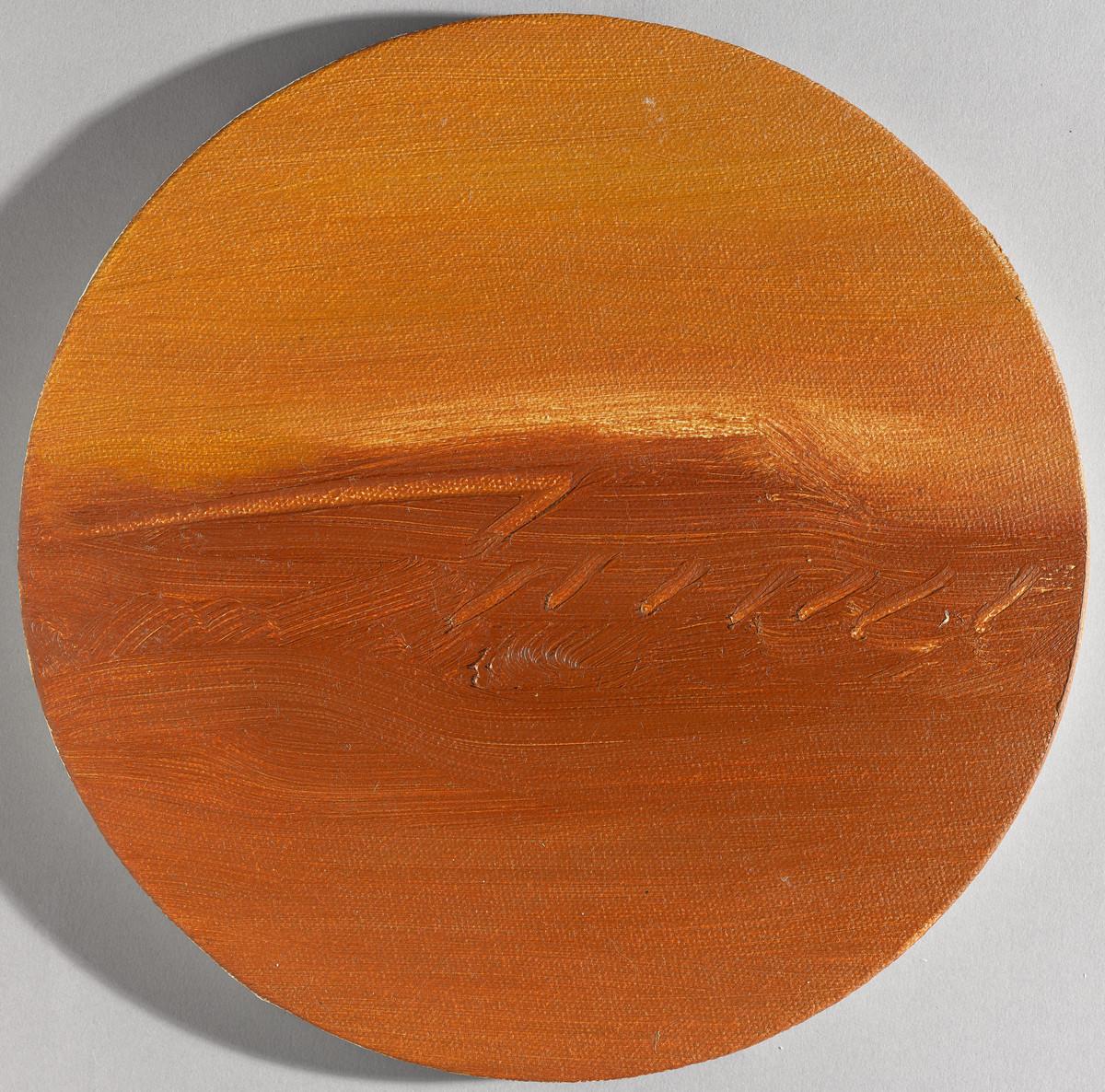
Robert Houle. Seven Grandfathers: Sah Gee Wá Win (Love), Me Ge Zée (Eagle), 2013. Oil on canvas, drum: 20.3 cm. Purchased with the assistance of the Martinsell Fund, 2016. © Robert Houle. 2015/38.1
Robert Houle. Seven Grandfathers: Neb Wah Káh Win (Wisdom), Uh Mik (Beaver), 2013. Oil on canvas, drum: 20.3 cm. Purchased with the assistance of the Martinsell Fund, 2016. © Robert Houle. 2015/38.2
Robert Houle. Seven Grandfathers: Me Nah Da Ne Mo Win (Respect), Músh Kooda Pezhéke (Buffalo), 2013. Oil on canvas, drum: 20.3 cm. Purchased with the assistance of the Martinsell Fund, 2016. © Robert Houle. 2015/38.3
Robert Houle. Seven Grandfathers: Tah Bus Sá Nin De Zoo Win (Humility), Mahéen Gun (Wolf), 2013. Oil on canvas, drum: 20.3 cm. Purchased with the assistance of the Martinsell Fund, 2016. © Robert Houle. 2015/38.4
Robert Houle. Seven Grandfathers: Dah Wa Win (Truth), Shin Gah Dá Me Quaun (Turtle), 2013. Oil on canvas, drum: 20.3 cm. Purchased with the assistance of the Martinsell Fund, 2016. © Robert Houle. 2015/38.5
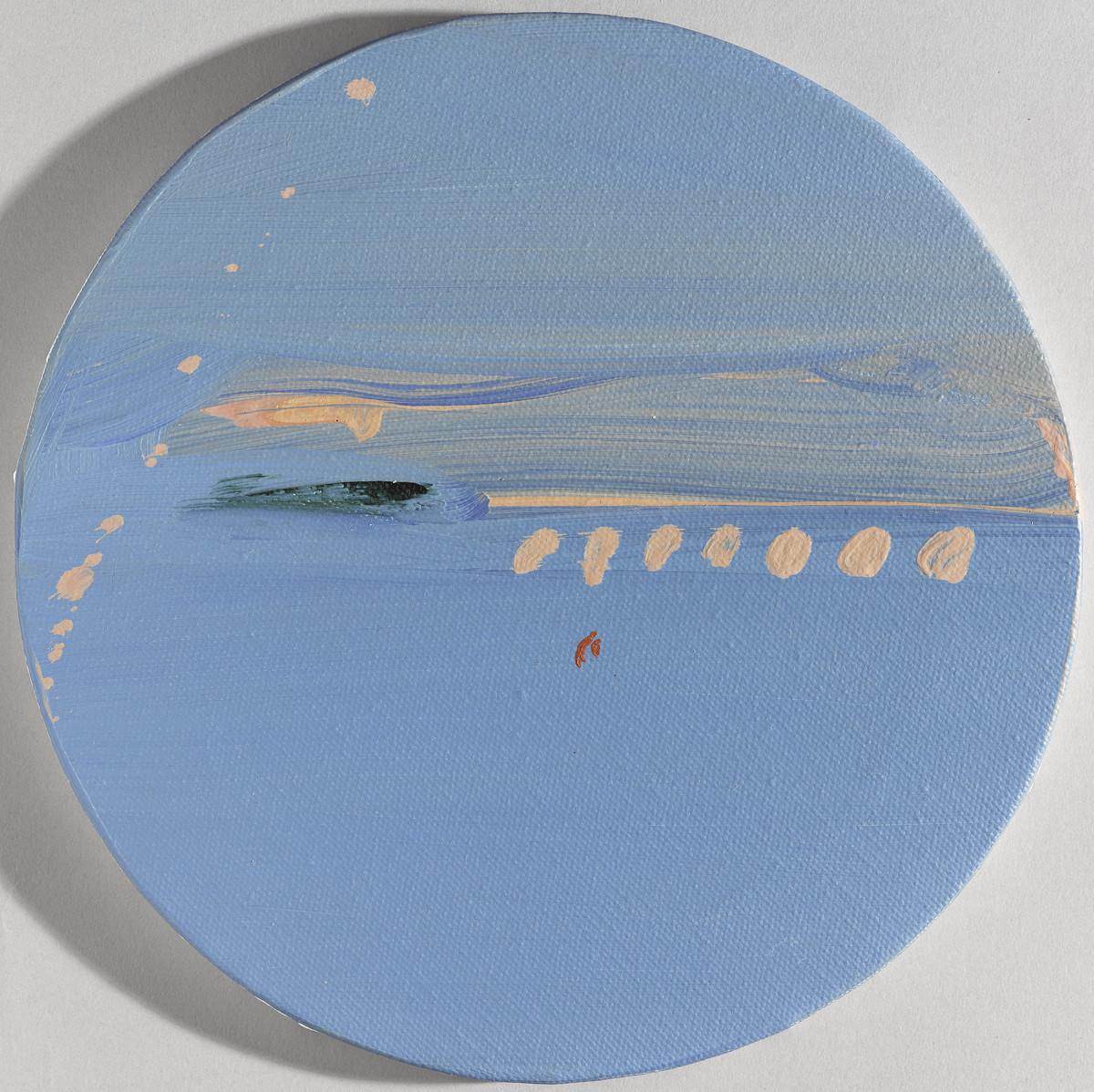
Robert Houle. Seven Grandfathers: Sóon Ge Daá Win (Courage), Muh Quáh (Bear), 2013. Oil on canvas, drum: 20.3 cm. Purchased with the assistance of the Martinsell Fund, 2016. © Robert Houle. 2015/38.6
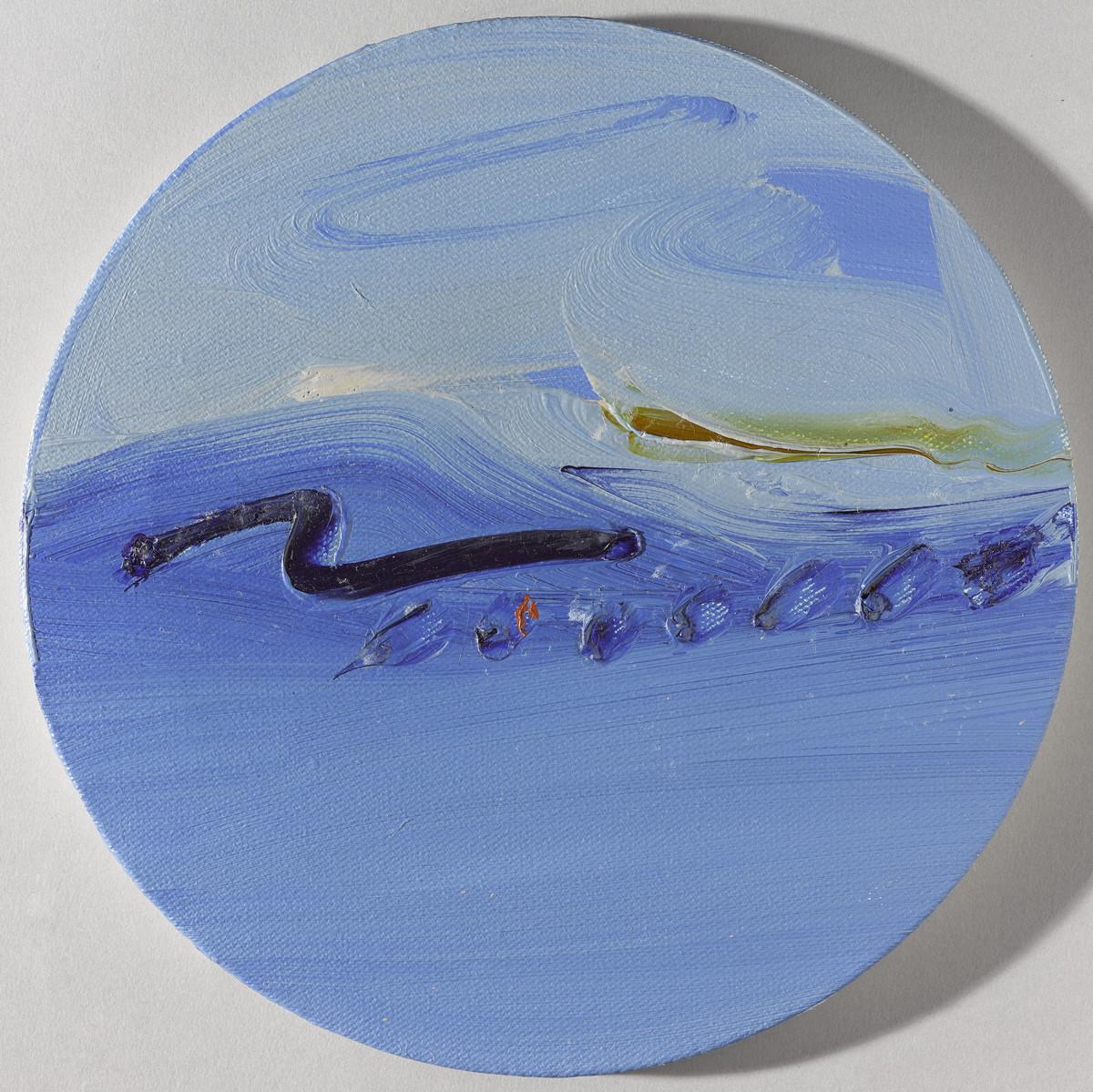
Robert Houle. Seven Grandfathers: Quuh Yu Koo Sá Win (Honesty), Ma Sah Beh (Transforming Figure of the Woodlands), 2013. Oil on canvas, drum: 20.3 cm. Purchased with the assistance of the Martinsell Fund, 2016. © Robert Houle. 2015/38.7
“It was my desire to create a new mediated space here that would give visitors an active sense of an expanded living presence,” Houle has said. “The seven ceremonial drums made specifically for this space symbolize visions of nature and the perception and traces of memory.”
Houle’s formal response to Baumgarten’s installation began in 1992, when he was invited by the AGO to create a work for the reopening of Walker Court following renovations. Titled Anishinaabe Walker Court, Houle cleverly subverted Baumgarten’s original work. The misspelled, improper names were reinscribed on the wall, this time using lowercase font with sarcastic quotation marks. This work remained installed until 2008, when it was removed to accommodate Transformation AGO. Houle was once again commissioned by the AGO to create a new work for Walker Court. He completed Seven Grandfathers in 2014, and the work was unveiled as part of the group exhibition Before and after the Horizon: Anishinaabe Artists of the Great Lakes.
Houle has been actively making art and exhibiting internationally for over 50 years. Since the Canadian Museum of History’s 1970 acquisition of his painting Red Is Beautiful, Houle’s influential work as an artist, curator, writer, and educator has profoundly impacted the world of contemporary First Nations art in Canada and globally. The AGO holds 45 of his works in its permanent collection, with more works on view in the J.S. McLean Centre for Indigenous and Canadian Art on the second floor. In 2021, the AGO organized the first major retrospective exhibition of Houle’s work, Red is Beautiful, curated by Wanda Nanibush, former Curator, Indigenous Art at the AGO.
In celebration of Indigenous History Month, on June 5 from 6 pm to 9 pm, the AGO welcomes Anishinaabe artist Cody Houle to Walker Court to create a live painting in response to Robert Houle’s Seven Grandfathers. This event is free with admission, with complimentary admission to all Indigenous peoples.
![Keith Haring in a Top Hat [Self-Portrait], (1989)](/sites/default/files/styles/image_small/public/2023-11/KHA-1626_representation_19435_original-Web%20and%20Standard%20PowerPoint.jpg?itok=MJgd2FZP)