Nov 6, 2026
Travis Shilling's Surreal Resource Economy
Shilling's paintings examine the relationships between humans and animals in the face of resource extraction
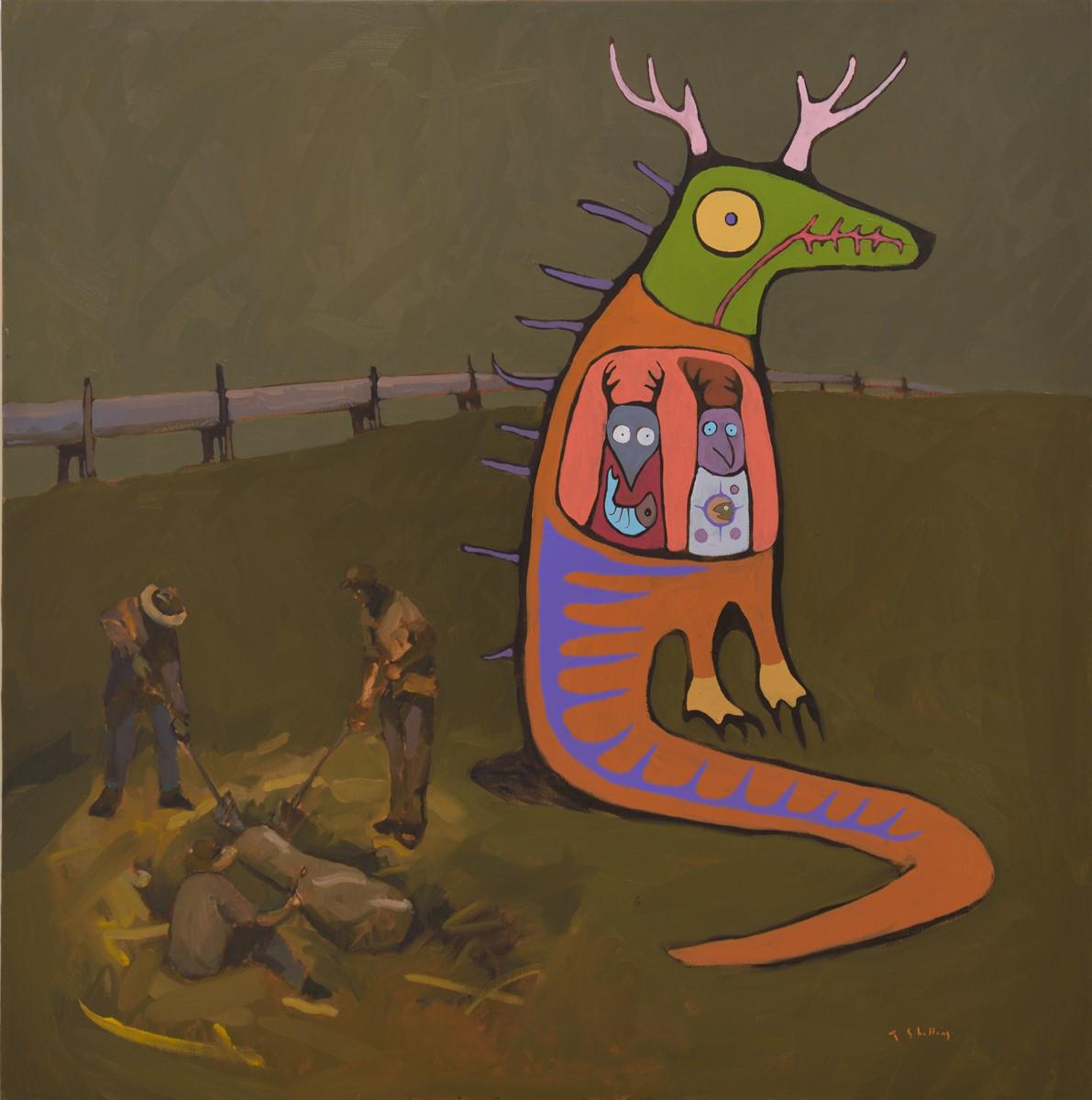
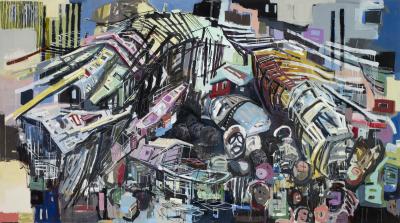
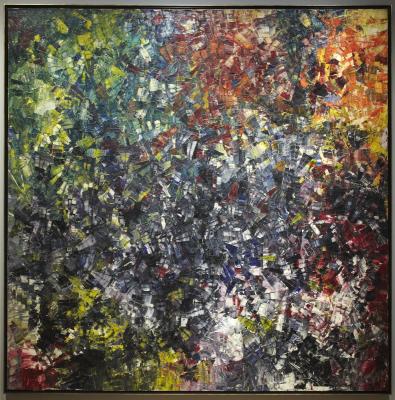
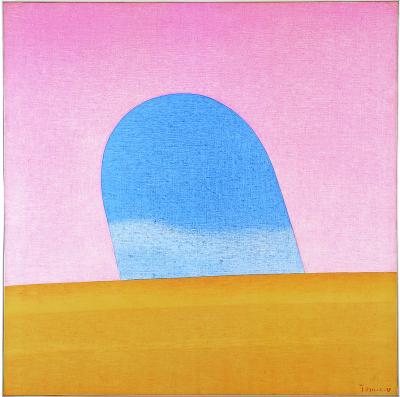
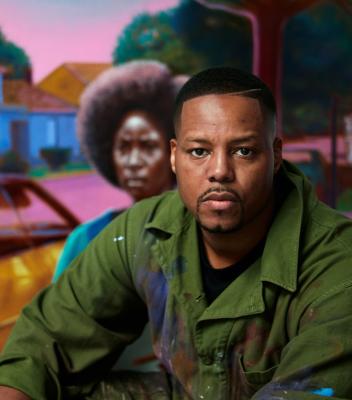
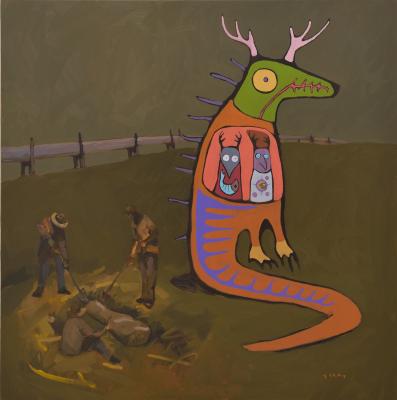
Travis Shilling, The Excavators #2, 2019. Oil on canvas. Overall: 121.9 × 121.9 cm. Art Gallery of Ontario. Purchase, with funds by exchange from the J.S. McLean Collection, by Canada Packers Inc., 2020. © Travis Shilling, Courtesy Ingram Gallery. 2020/99
The impact of the resource economy is hard to ignore when it's depicted on a canvas and meeting your gaze.
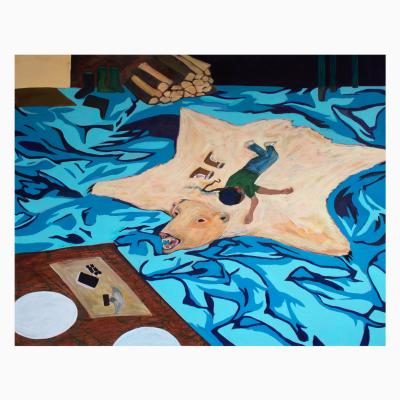
In his series Tyrannosaurs Clan, Anishinaabe artist Travis Shilling examines the relationship between humans, animals, and industry. Two works from this series are currently on view at the AGO in the J.S. McLean Centre for Indigenous + Canadian Art: Owl and Excavators #2 (both 2019).
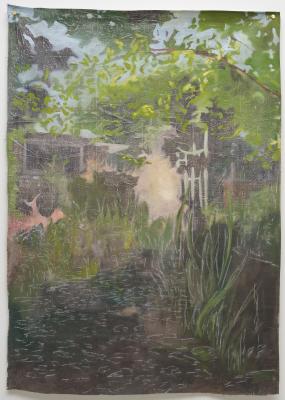
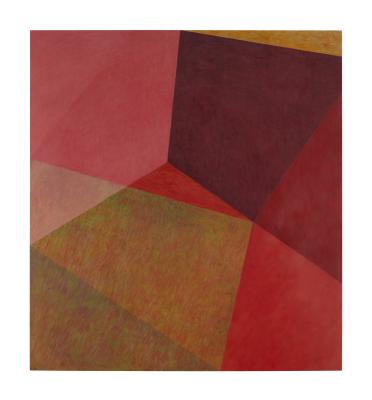
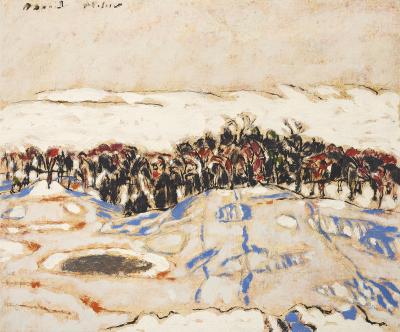
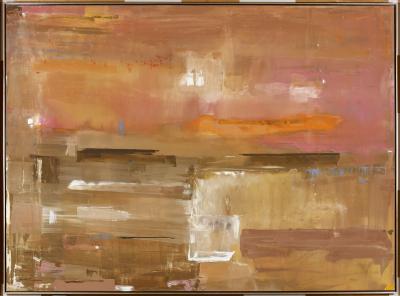
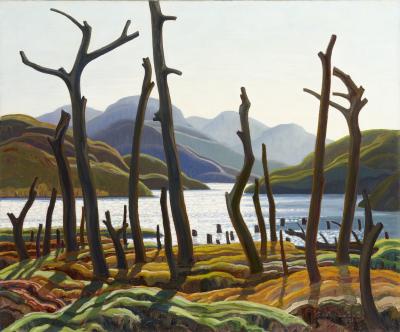
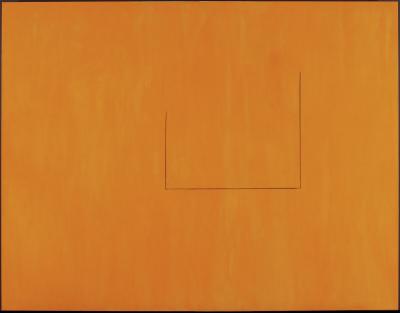
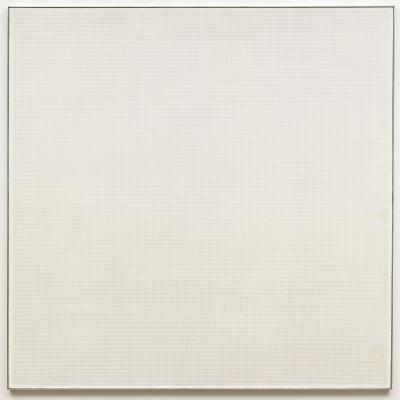
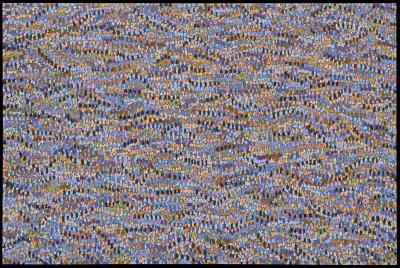
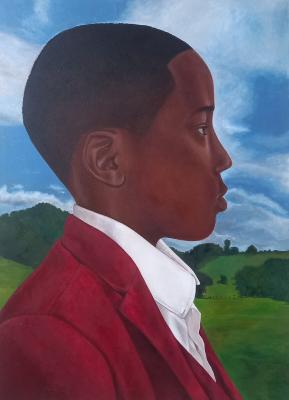
Hailing from a family of creatives, Travis is the son of late artist Arthur Shilling (1941-1986) and the younger brother of fellow artist Bewabon Shilling. On view just a few galleries over from Travis' works is Bewabon's painting, Field Series – Purples (2024).
As exemplified by the Tyrannosaurs Clan series, Shilling creates cinematic and surreal landscapes that often examine the impacts of climate change and the resilience of First Nations people, whose culture and land are under siege due to the intrusion of the resource economy. His work is celebrated for weaving powerful representations of the spiritual world into scenes from everyday life.
This particular series was inspired by the construction of pipelines on Indigenous land and the consequential interactions between workers, humans, animals, and spirits.
"I just started to think about what they were digging up. I started to think about artifacts [and] the past," Shilling shared in a previous interview. "The vision was the older creature rising that's been dormant for thousands of year... these sprits are coming back because they're being dug up."
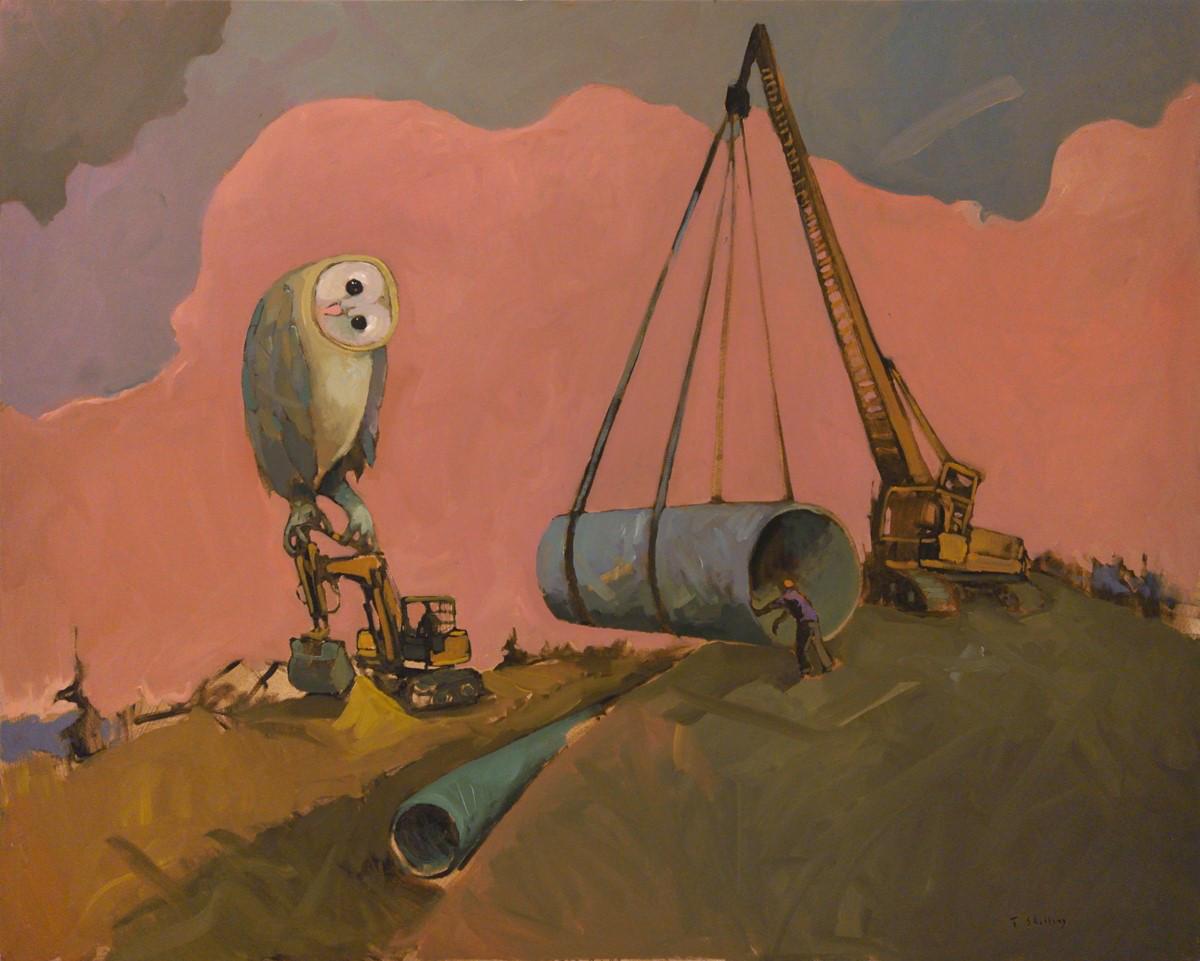
Travis Shilling, Owl, 2019. Oil on canvas. Overall: 121.9 × 152.4 cm. Art Gallery of Ontario. Purchase, with funds by exchange from the J.S. McLean Collection, by Canada Packers Inc., 2020. © Travis Shilling, Courtesy Ingram Gallery. 2020/100
In both Owl and Excavators #2, pipelines are present in the muted landscapes of work sites. However, the focal points of the paintings are the larger-than-life animal figures depicted in bright colours characteristic of contemporary Anishinaabe artists. While the workers are focused on the tasks at hand, these animal figures meet the viewer's gaze. Through contrasting these vivid figures with the subdued landscapes, Shilling explores the adaptability of humans and animals, and the impact of the resource economy on the environment and Indigenous sovereignty.
Speaking on the inspiration for his practice, Shilling sees his art as not only deeply personal but also as his outlet for sensemaking.
"I create to express my love for my culture, my family, and our art. I see my art and culture communicating on the canvas, and as the artist, I am only here to witness and document what my visions reveal to me in the studio.
"It is my ceremony, like burning sage or fasting. You sacrifice yourself for your art, so it must reflect not only who you are, but where you come from. It's to map out our universal stories as well as ones to come. Oil on canvas is a compass for me that is only understood with the right light, color and shape."
Experience Travis Shilling's surreal depictions of the resource economy by visiting Owl and Excavators #2 (both 2019), currently on view in the Georgia Ridely Salon (gallery 234), located in the J.S. McLean Centre for Indigenous + Canadian art on Level 2 of the AGO. Also on view in the J.S. McLean Centre, visit Bewabon Shilling's non-traditional landscape, Field Series – Purples (2024), on view in the Wilder Gallery (gallery 228).