Oct 15, 2026
Pierre Louis Alexandre’s Enduring Legacy
Monica L. Miller and Dr. Jonathan Michael Square will discuss the 19th-centuy life model on October 21
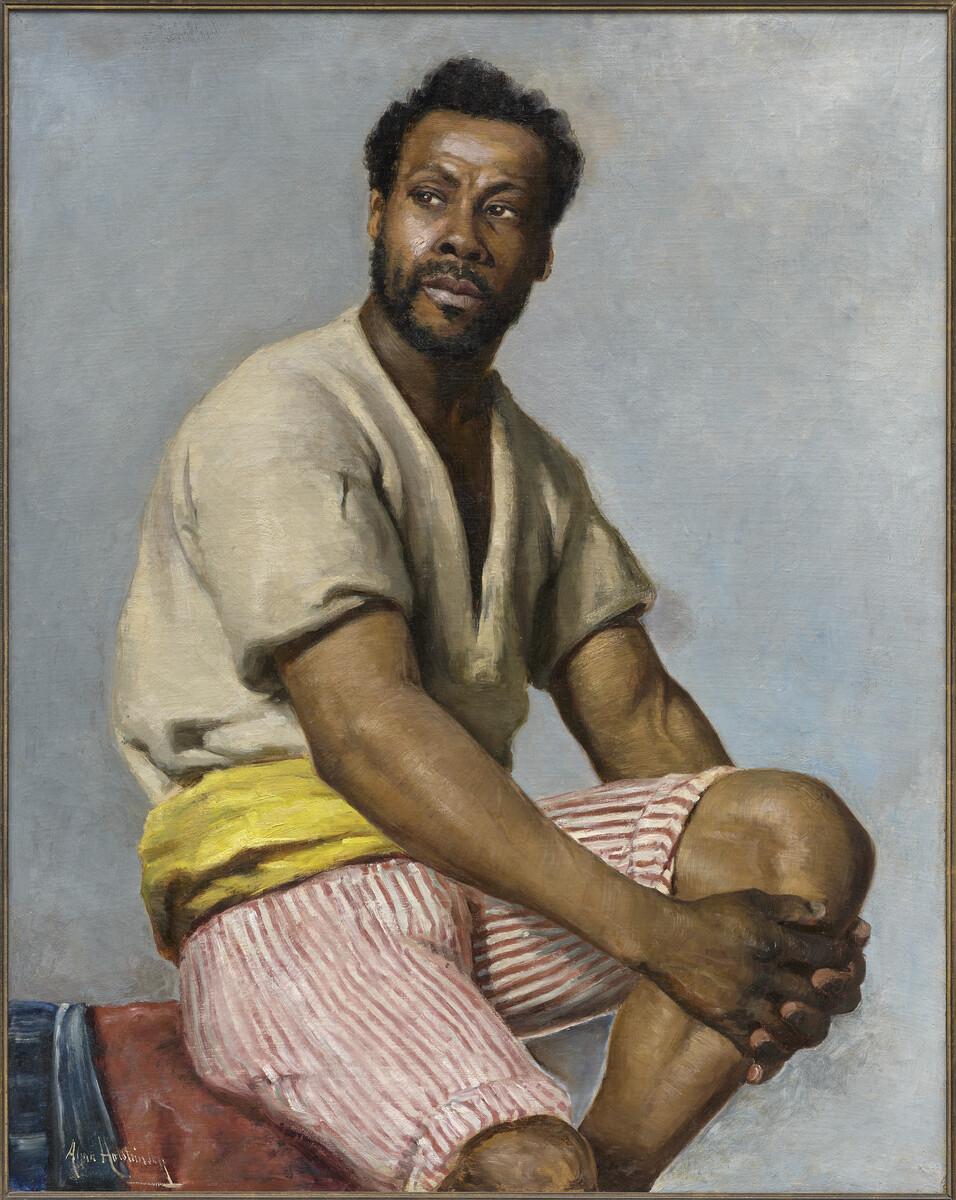
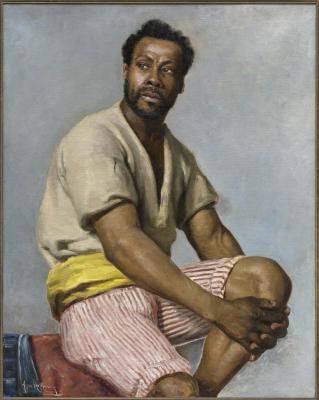
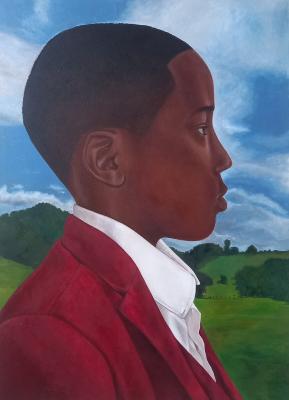
Alma Holsteinson. Portrait of Pierre Louis Alexandre (1844-1905), c. 1879-80. Oil on canvas, Overall: 92 × 74 cm. Art Gallery of Ontario. Purchase, with funds by exchange from the R. Fraser Elliott Estate, 2025. Photo © AGO. 2025/1061
Pierre Louis Alexandre. The life model who, unassumingly, left his mark on history as the most frequently depicted Black sitter in pre-20th-century European art. Earlier in 2026, a striking portrait of Alexandre, painted by Swedish artist Alma Holsteinson circa 1879-80, entered the AGO Collection. Portrait of Pierre Louis Alexandre (c. 1879–80) is the first depiction of the model represented in a public collection at a major Canadian museum collection.
Born in Cayenne, French Guiana, in 1844, Alexandre fled the country as a teenager aboard a ship, potentially as an enslaved manor newly freed man. He arrived in Stockholm when he was around 19 and he secured a job as a dockworker, which remained his main source of income for the next 15 years. During winter layoffs in 1878, he was hired as a life model at the Royal Swedish Academy of Fine Arts. He returned to “moonlight” as a sitter for at least 9 of the 15 subsequent years between 1879 and 1903.
In April 2026, Foyer published a story providing a more fulsome overview of Alexandre’s life, Holsteinson’s portrait, and the significance of this landmark AGO acquisition.
On Wednesday, October 21 at the AGO, professors Monica L. Miller and Jonathan Michael Square will discuss Portrait of Pierre Louis Alexandre (c. 1879–80) in depth, sharing their insights on the painting and how it intersects with the AGO exhibition, Sunday Best: The Power & Glory of Black Style.
Before their talk at the AGO, Miller and Square shared their reflections on Alexandre and his connections to the themes of Sunday Best.
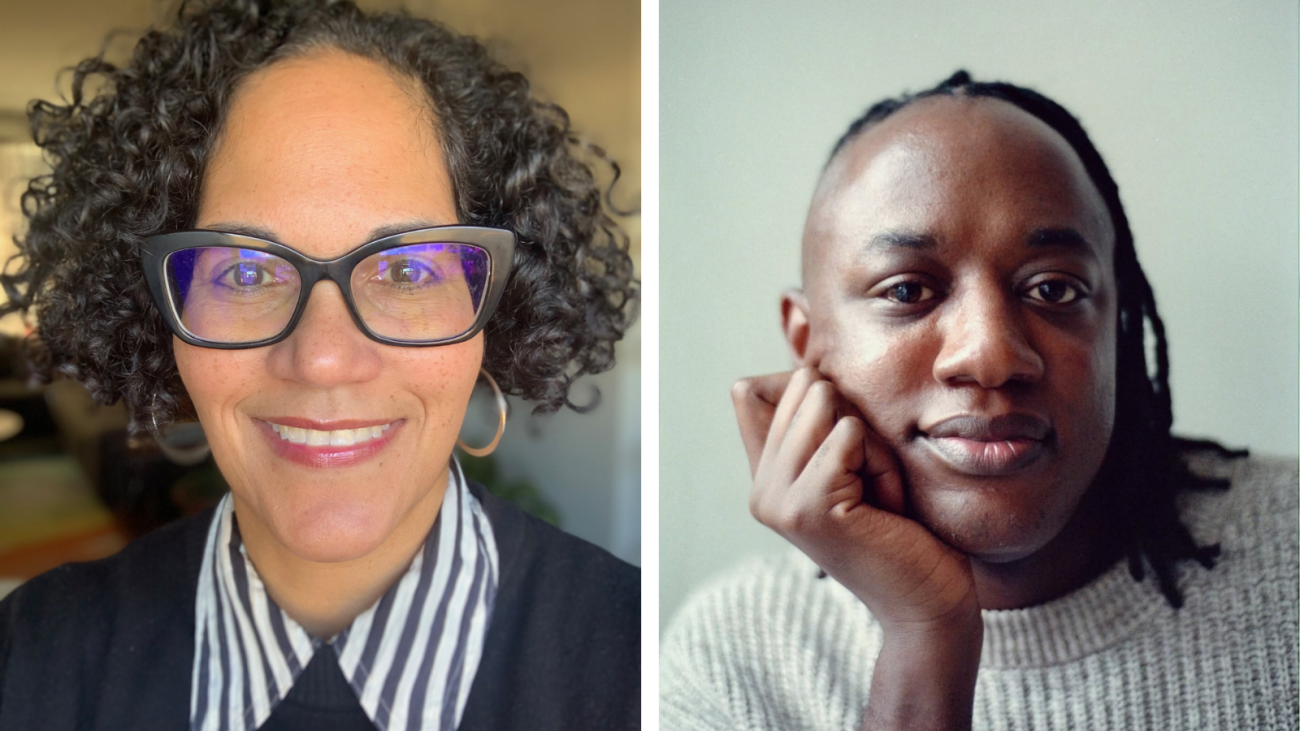
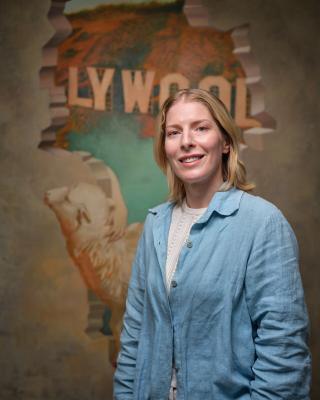
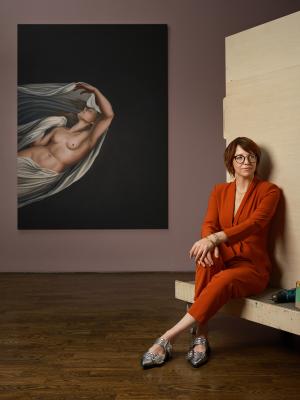
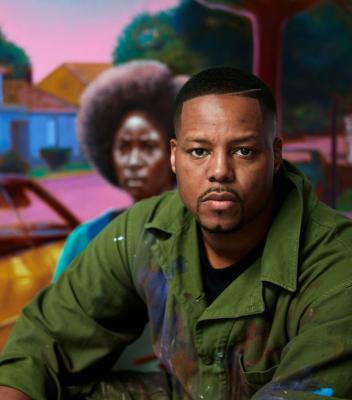
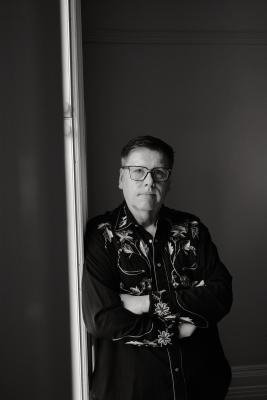
Monica L. Miller and Dr. Jonathan Michael Square. Images courtesy of Miller and Square.
Miller: I’ve been reading, thinking and teaching a lot about image-making lately– specifically the scene of sitting for a portrait, from the perspective of the sitter and the painter, photographer, or image-maker. The many images of Pierre Louis Alexandre allow us to think about the way in which his body and Blackness created different possibilities for performance– perhaps his own, but certainly that of the Swedish painters who depicted him, who were eager to show their understanding of European conventions of portraiture by highlighting his race, class, and foreignness.
We see him as an “exotic,” a “worker,” what Swedes call a “främling” or stranger. And yet, when we understand that he was a model, who came and went from the Art Academy over decades, we see some sense of his own participation in these fantasies, some inkling of his own understanding of the scene and frame. In Sunday Best, the image-making is also often performative, but it is very different, in the service of the joyful representation of Black individuals and community. These image-makers are using the expressive tools at their disposal (e.g., fashion, photography etc.) to reflect and imagine agentive lives beyond the frame or fabric. The juxtaposition of these two “practices” is a lesson in what WEB DuBois called “double-consciousness” – the fact that Black identity formation is often a negotiation between how we are seen and how we represent ourselves.
Monica L. Miller is Chair and Claire Professor of Africana Studies at Barnard College, Columbia University. A leading voice in Black fashion and dress studies, she also teaches and writes about Black literature, art, performance, and contemporary Black European culture. She was the Guest Curator of Superfine: Tailoring Black Style, the 2025 Costume Institute exhibition at The Met, which was inspired by her book, Slaves to Fashion: Black Dandyism and the Styling of Black Diasporic Identity.
Square: Pierre Louis Alexandre’s portrait invites us to consider Black style through the life of a working man whose image circulated widely, even as his own perspective remains harder to recover. His clothing asks us to look closely at how dress represents his individuality and labour as a model, while recognizing that we cannot assume he chose what he wore for the sitting. That question of choice connects the painting to Sunday Best, which explores how Black people have used dress to represent themselves within communities and institutions that affirm their humanity. The juxtaposition also raises a distinction between being highly visible and having control over how others see you. I hope our conversation will make room for Alexandre as a person, alongside his extraordinary presence in European art.
Dr. Jonathan Michael Square is the Assistant Professor of Black Visual Culture at Parsons School of Design. He curated the exhibition Past Is Present: Black Artists Respond to the Complicated Histories of Slavery at the Herron School of Art and Design, which closed in January 2023, and co-curated Revolisyon Toupatou at Parsons School of Design alongside Siobhan Meï. Most recently, his show, Almost Unknown, The Afric-American Picture Gallery, was featured at the Winterthur Museum, Garden, and Library.
Monica L. Miller and Dr. Jonathan Michael Square In Conversation is happening at the AGO on Wednesday, October 21. Book your tickets here. Portrait of Pierre Louis Alexandre (1879-80) by Alma Holsteinson is on view in the Sarah and David Macdonald Gallery (gallery 130) on Level 1 of the AGO. Sunday Best: The Power & Glory of Black Style is on view now until February 28, 2027, on Level 5 of the AGO.
![Keith Haring in a Top Hat [Self-Portrait], (1989)](/sites/default/files/styles/image_small/public/2023-11/KHA-1626_representation_19435_original-Web%20and%20Standard%20PowerPoint.jpg?itok=MJgd2FZP)