Sep 15, 2026
Melissa Auf der Maur on the Power and Chaos of the '90s
The multimedia artist reflects on her AGO exhibition documenting a pivotal decade of her life
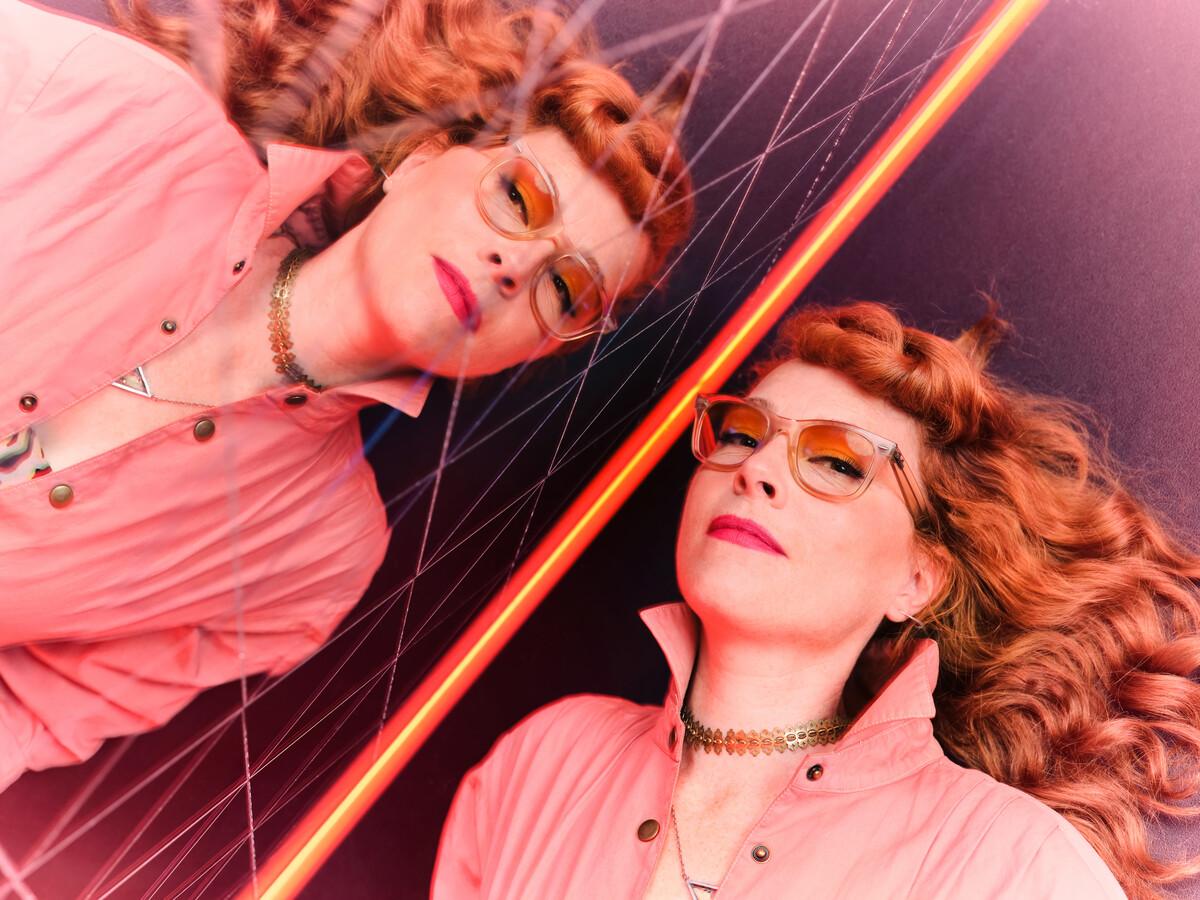
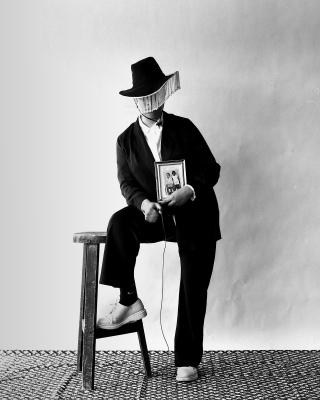
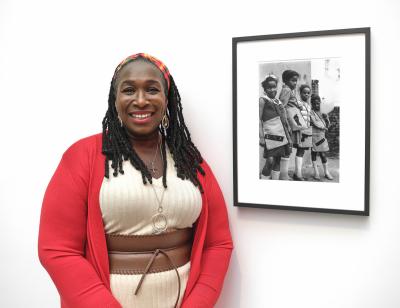
Melissa Auf der Maur, 2026. Photo: Craig Boyko © AGO.
In her recent memoir, Melissa Auf der Maur describes rock stars Courtney Love of Hole and Billy Corgan of The Smashing Pumpkins as her “alt-rock fairy godparents.” Their unconventional family formed in 1994, when Corgan endorsed a young photography student and musician from Montreal to become Hole’s new bassist. Overnight, Auf der Maur was transported from Montreal’s underground music scene to a global tour at the forefront of ‘90s alternative rock.
She spent the rest of the decade on an epic, tumultuous journey around the world as a member of Hole (1994-1999), then The Smashing Pumpkins (1999-2000). While enveloped in the haze of rock stardom, Auf der Maur remained committed to her photography practice, arriving at every tour stop with a 35mm, Instant or lo-fi video camera, ready to document her experiences. When the dust settled, she emerged with a 15,000-image archive of her time spent on the pulse of a culture-defining movement during the last analogue decade. Over 200 selections from Auf der Maur’s archive are on view now at the AGO in her debut solo exhibition.
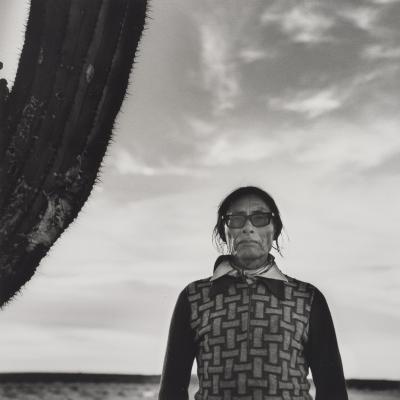
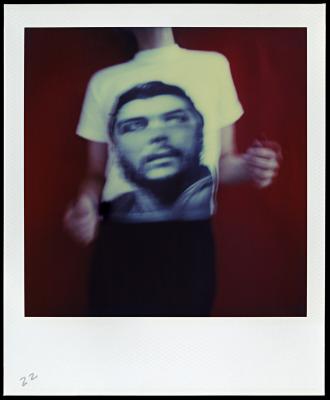
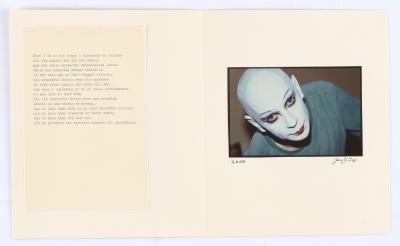
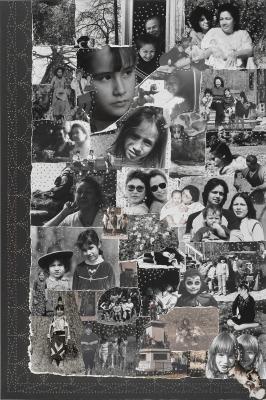
Melissa Auf der Maur: My ‘90s Rock Photographs features intimate photographs, videos, installation, and new music. Co-curated by Sophie Hackett, AGO Curator of Photography and Jim Shedden, AGO Curator, Special Projects & Director, Publishing, the exhibition vividly documents Auf der Maur’s life backstage, onstage and within the crowd. Photographs depicting hordes of jubilant fans are juxtaposed by Auf der Maur’s intimate hotel room self-portraiture. The exhibition culminates with a new immersive installation, Bass Womb Room (2026); a 360-degree mirror panel pyramid that surrounds visitors with image and sound.
During the final days of installation, Auf der Maur spoke to Foyer about her time on tour in the ‘90s, the painstaking process of selecting 200 images from an archive of 15,000, and what she feels has been lost in the digital age.
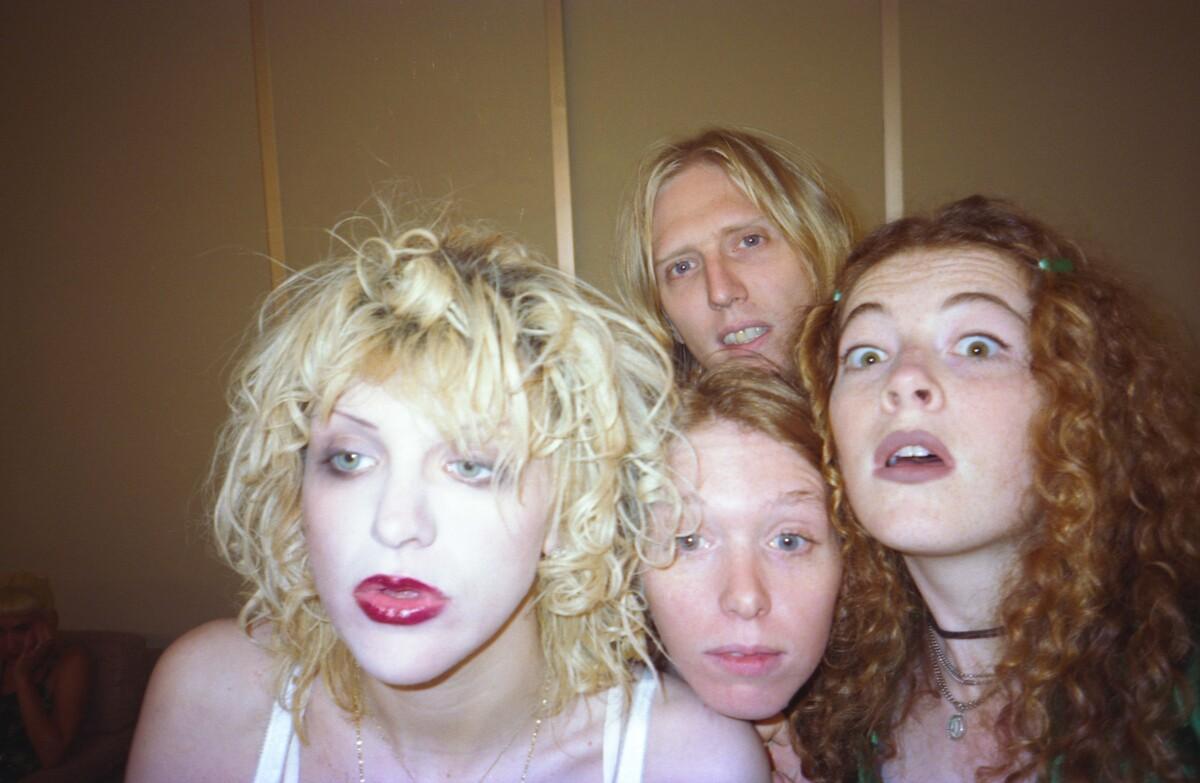
Melissa Auf der Maur, Self-Portrait with Hole, Lollapalooza, USA, 1995. © Melissa Auf der Maur
Foyer: To gather the works for this exhibition, you combed through your archive of 15,000 photographs. Now that you've seen them all installed, are there any new insights that you've gleaned about that time in your life?
Auf der Maur: There are multiple layers to my unearthing of the archive and the recurring themes and stories of that time in my life, told through words and photos. Hands down, the hardest part of this whole process was chiselling it down to an edit for this show. I wrote the 450 pages of my memoir relatively easily. The edit of these photos was much harder. Mainly because visual communication is more abstract and left to the viewer’s interpretation, even when it’s photographs that contain actual reality within the frame.
Ultimately, I'm interfacing with my archive as though it were a living and breathing collection that continues to find its way, not only through my interpretation and edits, but possibly through others as well. I like the idea of the archive becoming available for interaction with others, because it is impossible for me to even scratch the surface alone.
During this process, a lot of my learning came from recognizing what my most recurring photographed angles and subjects were. From early in the process, the clear categories that emerged were: the audience, fellow band members, me alone reflecting, and landscapes from the road. We managed to edit the entire archive into these buckets. As we selected images, I realized I wanted to build an even balance between two elements: one being the giant audiences who receive music as the soundtrack to their lives and the other being my tiny little life as the bass player girl from Montreal, with my tiny little camera. I’m interested in the friction between those two modes of existence.
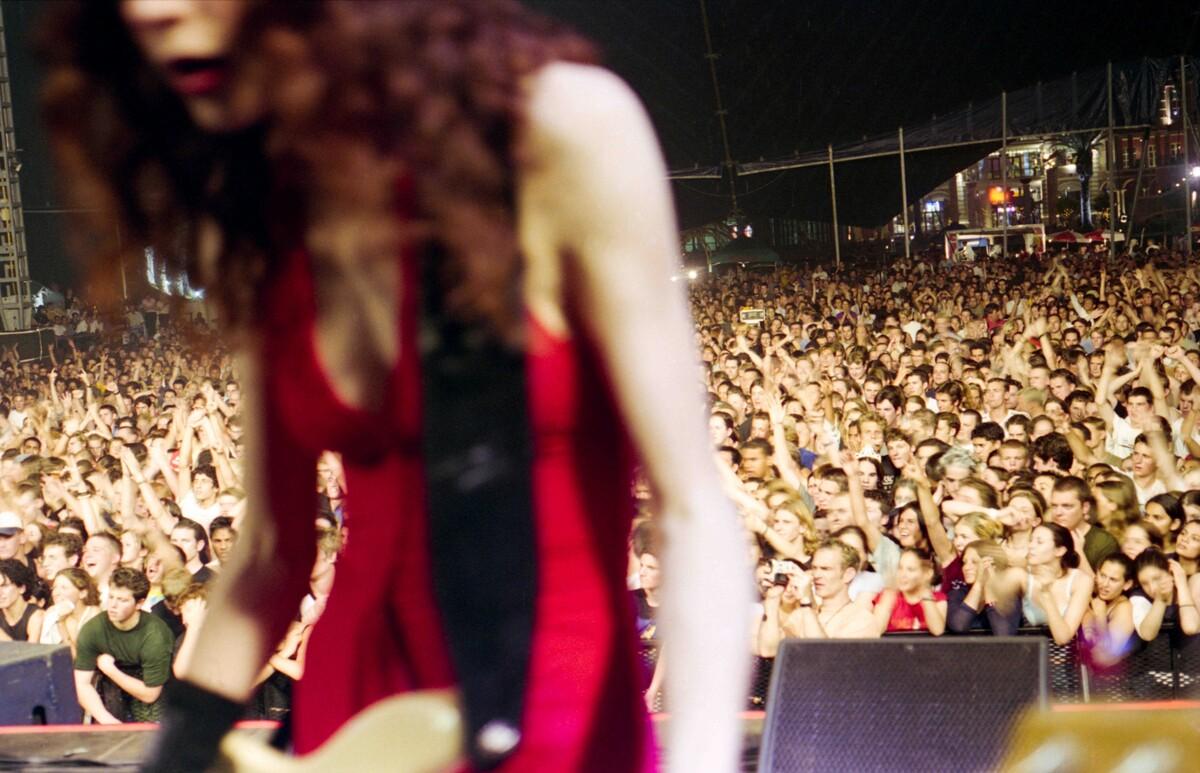
Melissa Auf der Maur, Self-Portrait on Stage with the Smashing Pumpkins, Cape Town, South Africa, 2000. © Melissa Auf der Maur
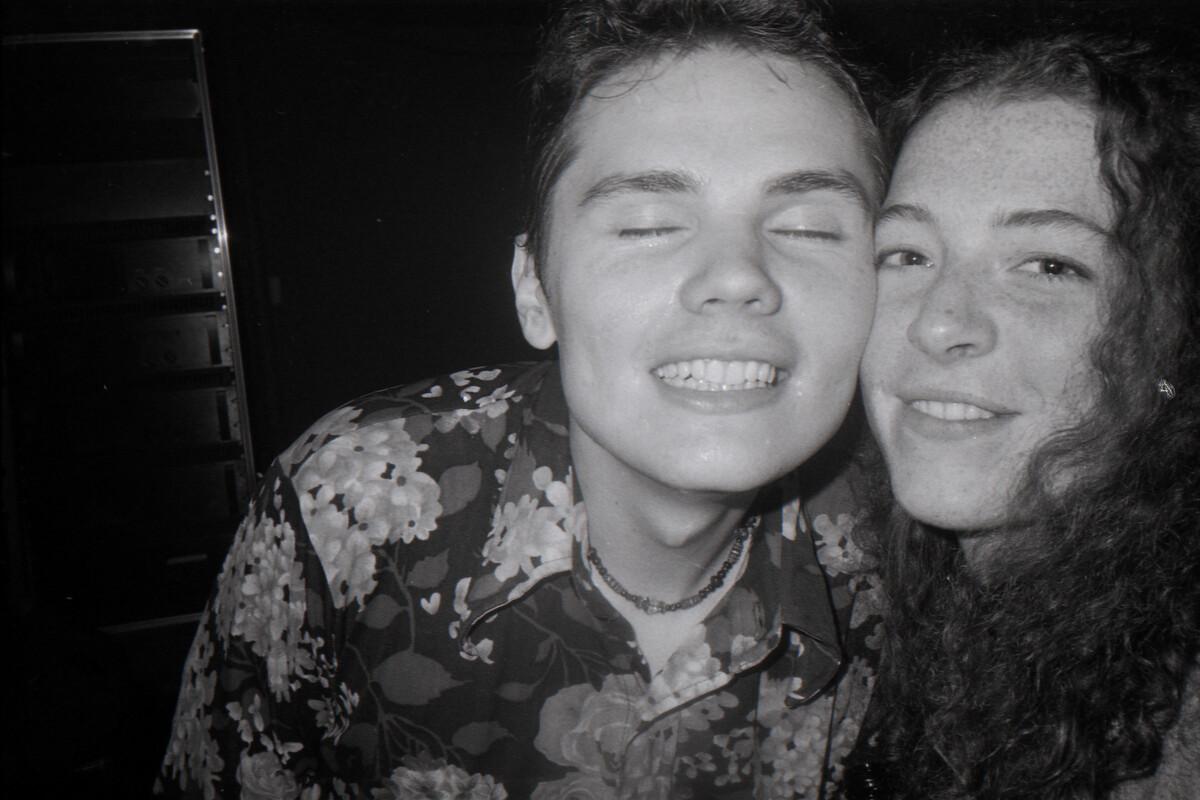
Melissa Auf der Maur, Self-Portrait with Billy Corgan, Side Stage, Siamese Dream tour, Club Metropolis, Montreal,1993. © Melissa Auf der Maur
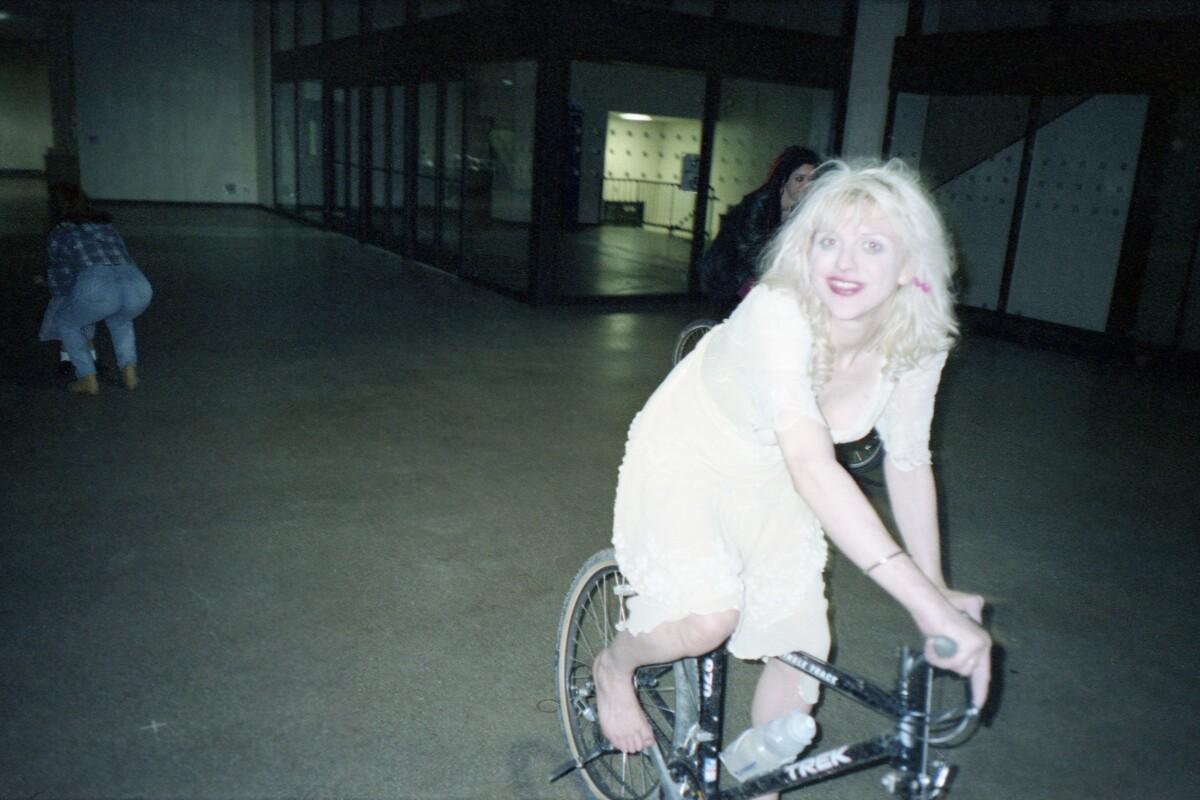
Melissa Auf der Maur, Courtney Love on Bike, Backstage, “Self-Destruct” Nine Inch Nails tour, USA, 1994. © Melissa Auf der Maur
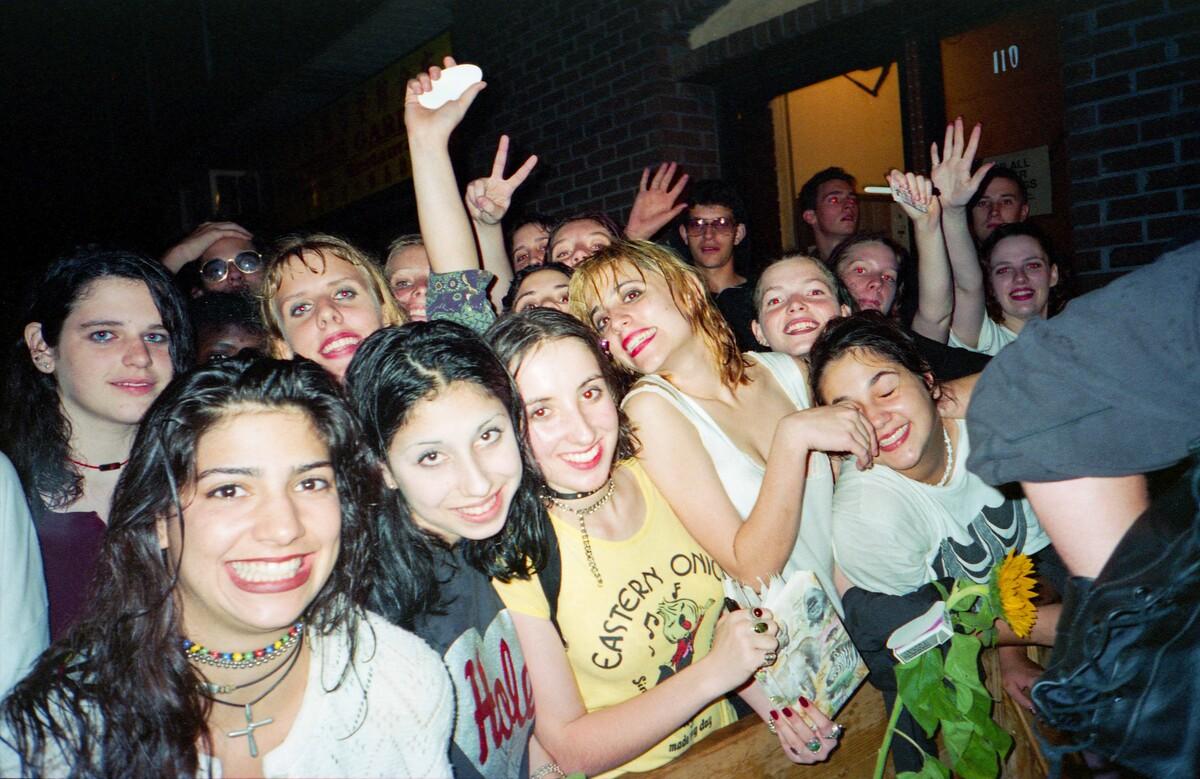
Melissa Auf der Maur, Dream Girl Fans, USA, Live Through This tour, 1995. © Melissa Auf der Maur
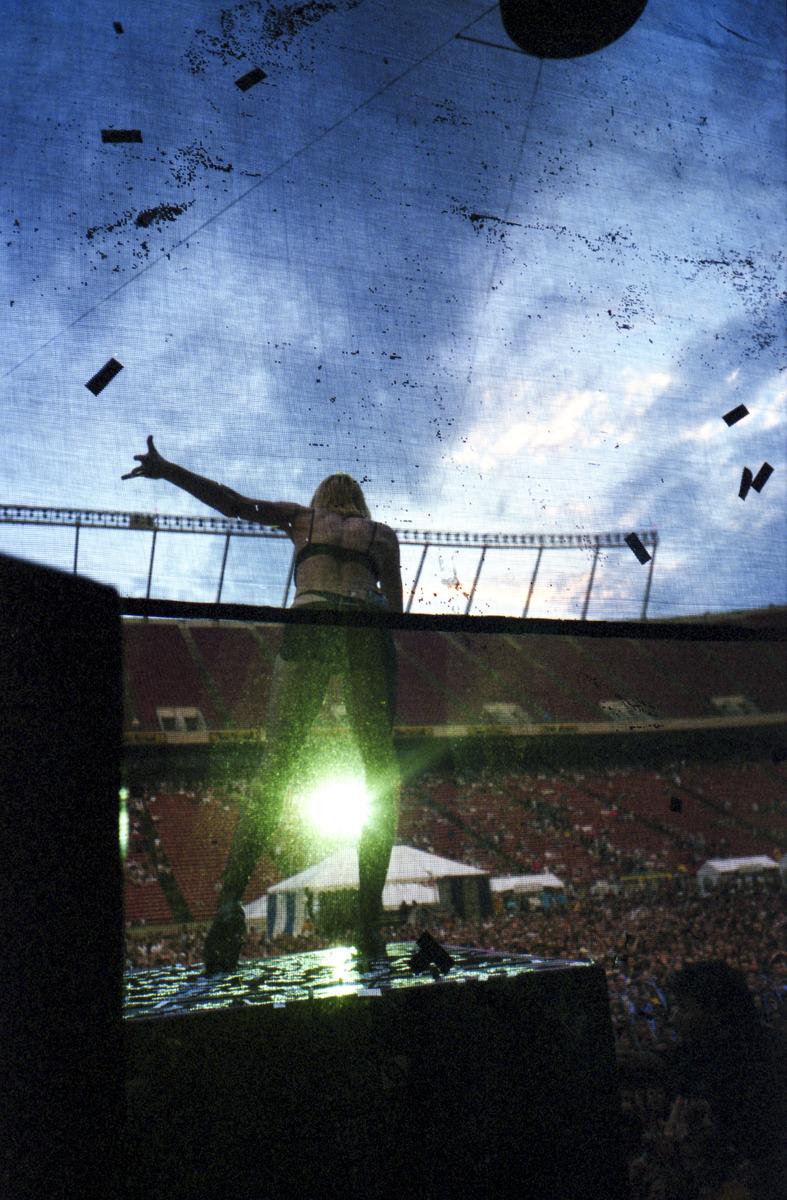
Melissa Auf der Maur, Courtney Commands Canadian Crowd, Edmonton, Canada, 1999. © Melissa Auf der Maur
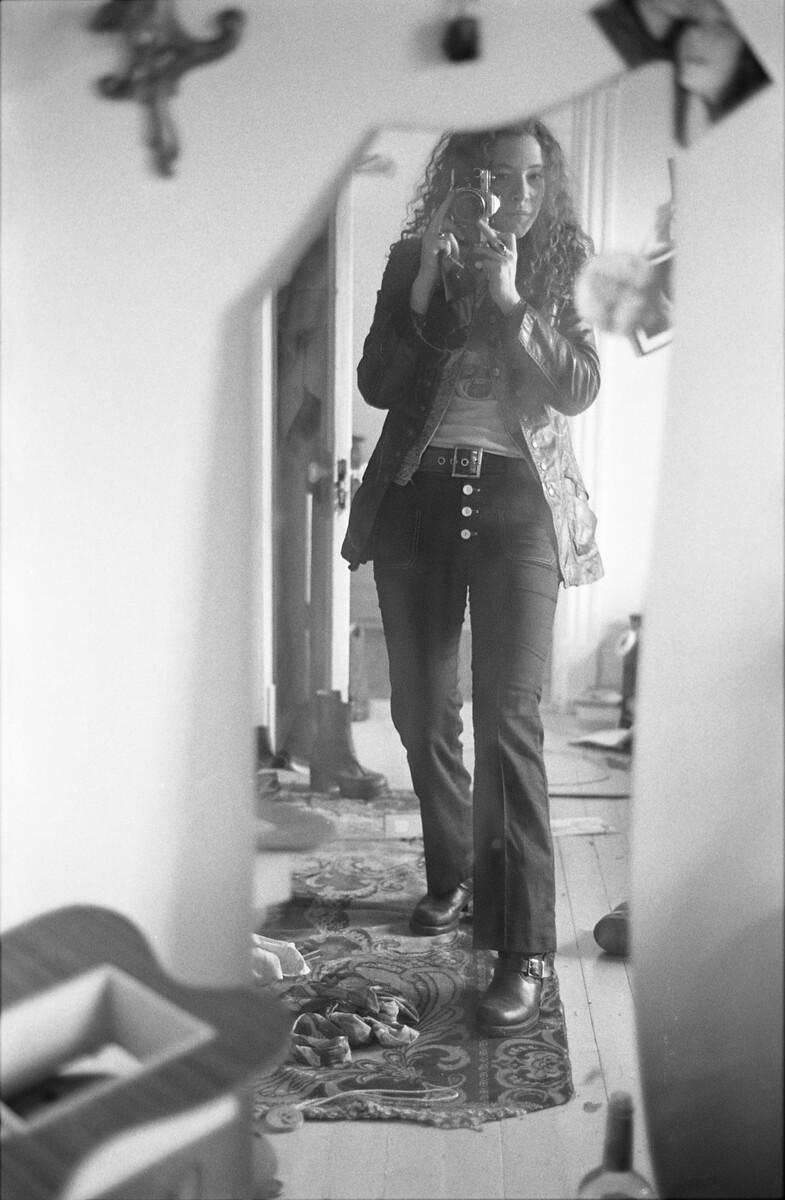
Melissa Auf der Maur, Self-Portrait in Cracked Mirror on Rue Saint-Dominique, Montreal, 1993. © Melissa Auf der Maur
Grunge and alternative rock arguably defined Western pop culture in the ‘90s, and you toured with two of the defining bands of that movement. Can you compare your experiences on those two tours and share some of the key differences?
To speak about Hole and The Smashing Pumpkins is to speak about their two bandleaders.
Courtney Love and Billy Corgan are the two individuals who, in my memoir, I refer to as my "alt-rock fairy godparents”. They found me when I was a teenager in Montreal and plucked me from obscurity. My relationship with them really defines my life in music. As many people know, both are extremely talented and powerful, yet tortured and complicated individuals. So, therefore, my relationship to rock bands in the ‘90s is tortured and complicated.
Both tours were tumultuous rides for different reasons, but both front people represent our generation quite accurately. Neither was an anomaly. There was a reason both of their voices resonated with an entire generation. Not only was their music amazing, but they also carried a fire within, mostly stemming from pain. They were committed to self-reflection and were on a quest, desperately reaching out be heard. They both embodied a special type of poetic pain. In Courtney's case, she represented the power of women in rock music; the power of a woman doing the things that only men were “allowed” to do: scream, stage dive, be terrifying, be violent. The irony is that Billy was actually a much more poetic, sensitive, spiritual and philosophical male. That’s how he resonated with people. I consider my two grunge parents to be poster children for the ethos of the ‘90s: embracing your uniqueness, being different, and finding alternative ways of being.
Both bands allowed me to experience music and my relationship to fans in two very different ways. With Hole, we were the only women in a male-dominated landscape. Courtney and I would really stand out on these festival tours, feeling like the odd women out. Whereas by the time I toured with The Smashing Pumpkins, I was the only girl in a band with a very technical, powerful, male-dominated performance. I loved both experiences for different reasons. I always say that my time with Hole was a masters in humanity and feminism, and my time with the Pumpkins was a PhD in music and in the power of learning your practice.
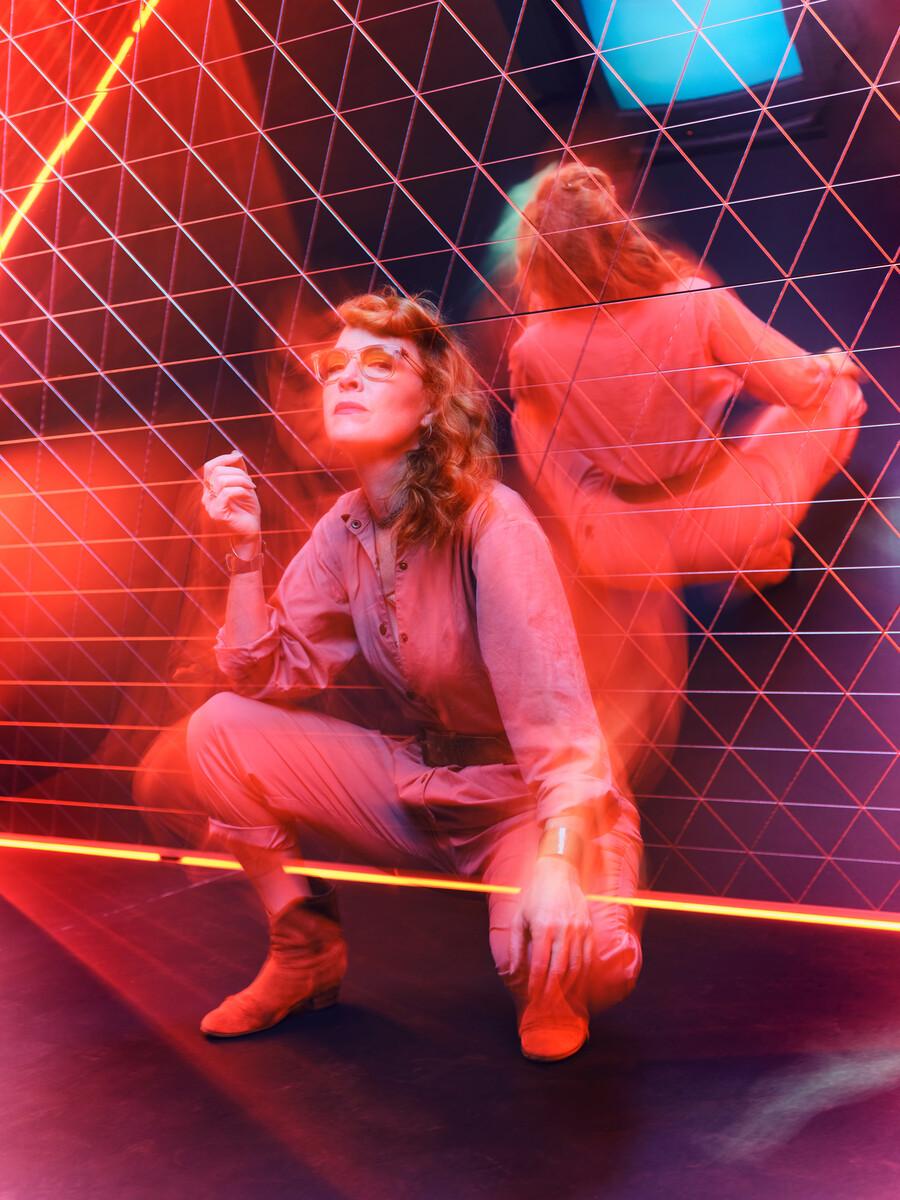
Melissa Auf der Maur, 2026. Photo: Craig Boyko © AGO.
Can you tell us the inception story of the Bass Womb Room?
From the moment I began speaking to the AGO about the show, I was very clear that although I have a giant photo archive, I would like there to be a multidisciplinary component because I'm not only a photographer. I've always considered myself a multimedia artist. Even when I was studying photography as a teenager, I had a rock band on the side. So, the fact that the AGO has given me the opportunity to explore audiovisual installation is, for me, the most important part of the show.
In the last room of the exhibition, the photographs on the wall are in response to what is in the centre of the room: a giant mirror pyramid. I worked with sound [in collaboration with Alex Crow], video [in collaboration with Neil Gust and Jennifer Baichwal], and mirror reflection [in collaboration with elsonstudio and McWood Studios] to tell an impressionistic story of what it was like for a young photographer and bass player to travel through time and space with a camera, a bass and a soul, seeking her purpose – while the audience projects back on her. It’s a layered, complex experience that I want to invite the audience into, and it requires more than just photographs. I created a new soundtrack for the Womb Room, and for the exhibition in general. It's technically like a score, which consists of textural sounds and field recordings I gathered during the ‘90s.
The original inspiration for the piece comes from a dream I had when I was 19 about the invention of three-dimensional sound delivered to humans from another world, in the form of a pyramid. I can only describe it as a visitation from entities from another dimension. I have never experienced major delusions or psychotic episodes before and I consider myself a high-functioning person, but at 19 I did experience what seems like messages from beyond, telling me that music would be the way I would make the most of my life; that my connection to other humans would benefit from me committing myself to music. The Bass Womb Room is also a reference to this dream that, when I woke up from it, I understood I had to make music my life.
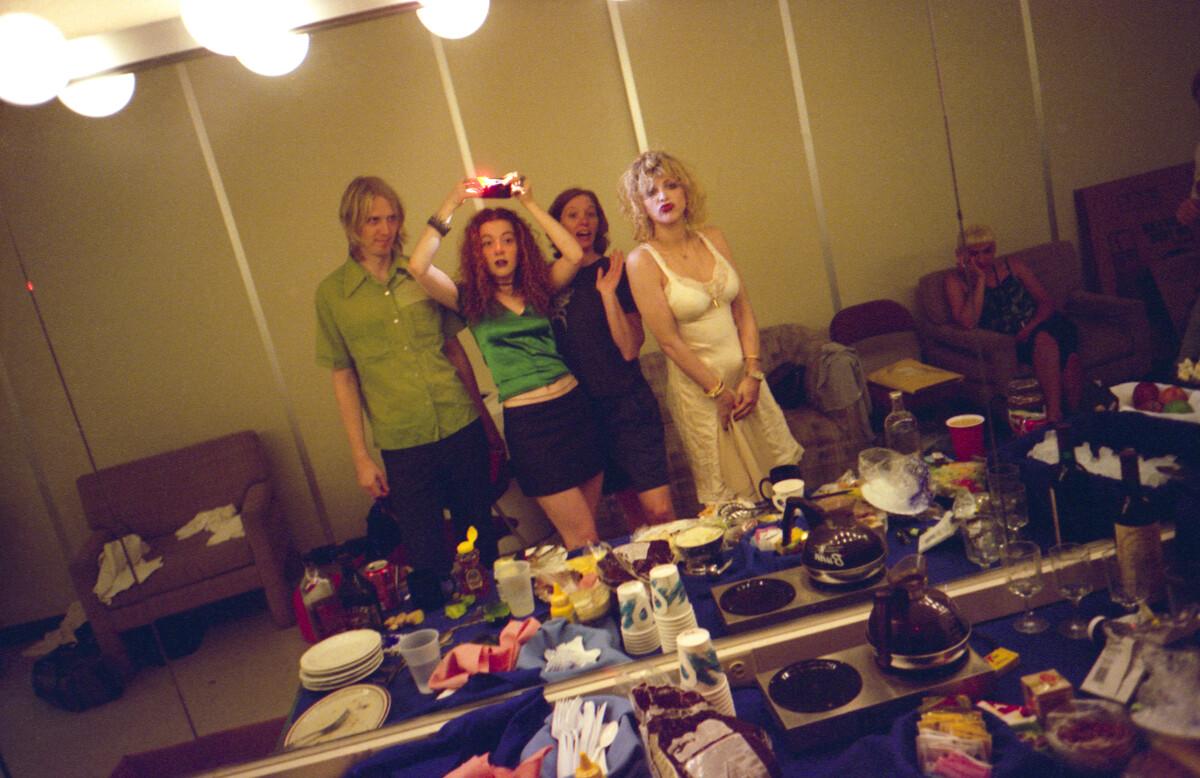
Melissa Auf der Maur, Self-Portrait in Mirror with Hole, Backstage, Lollapalooza, USA, 1995 © Melissa Auf der Maur
You were a photography student in the early ‘90s. Then you spent a decade documenting your life on 35mm film and Polaroids. What are your thoughts on the evolution of image making in the digital age? In your opinion, what did we lose at the end of the analog era? What – if anything – have we gained from the digital age?
I think we've lost more than we've gained in the analog-to-digital transition. Despite the convenience of being able to create photos, videos and music whenever and wherever we want, I believe all the accessibility negatively affects people’s attention spans.
When I was a photography student in the ‘90s, learning how to use a darkroom, I remember feeling like I had an abundance of opportunity to express myself with my camera and the endless images I could create. When I was learning bass around the same time, I was blown away by the vast amount of songs I could write and people I could collaborate with, all because of the infinite notes my instrument could play. I have always believed strongly that it is important for artists to work within limitations. I never crop my photographs. I believe everything I capture should stay in the frame. I wrote all my songs in the 90’s on a four-track recording device. These limitations force you to hone your skills and attempt to master them. I believe the strongest artists are people who work with limitations.
I fear that young people cannot fully process all of the options available to them. With full access to everything all the time, it's difficult to find your essence while being overloaded with information. My ultimate concern is the rewiring of the human psyche in the digital age. We have all been turned into passive consumers, with every aspect of our life being monetized. Generation X – the last generation that was analog only – is now a dying breed. We’re the last group of people who know what it felt like to be an artist without the option of digital enhancement. But I do have faith that great art is always going to be created, because great hearts and souls and people will always be born.
Part of the motivation for putting out my archive is that I want to interface with young artists and hopefully get them excited about introducing limitations into their practices. I hope to be able to speak at more schools and museums and encourage young artists to find their point of view, their voice, and to know what the hell they want to share with the world. I want to be an advocate for a pro-human, pro-analog way of living, mainly to preserve human integrity and the love of real life.
Melissa Auf der Maur: My ‘90s Rock Photographs is now on view in Margaret Eaton Gallery (gallery 137), Marvin Gelber Gallery (gallery 136), and Betty Ann & Fraser Elliott Gallery (gallery 135) on Level 1 of the AGO.
In addition to her debut solo exhibition, Auf der Maur’s memoir Even Good Girls Will Cry: A '90s Rock Memoir was published this year, and her new album (and soundtrack to the installation) Bass Womb Room was released September 4. A feature-length documentary about her life is also in production. The exhibition’s official photobook is available now online or in person at the AGO Shop.
Discover behind-the-scenes stories from Auf der Maur, featuring her narration and personal reflections. Listen through the AGO's free digital guide on Bloomberg Connects.
Signature Partner

Generous Support
Women’s Art Initiative
Contemporary programming at the AGO is supported by



![Unknown photographer, Chillin on the beach, Santa Monica [Couple on beach blanket]](/sites/default/files/styles/image_small/public/2023-04/RSZ%20WMM.jpg?itok=nUdDiiKr)