Apr 29, 2026
The Hearth & The Fire, A Dramatic Retelling
A meeting of the minds, reimagined, on the occasion of Heliconian Hall’s 150th anniversary
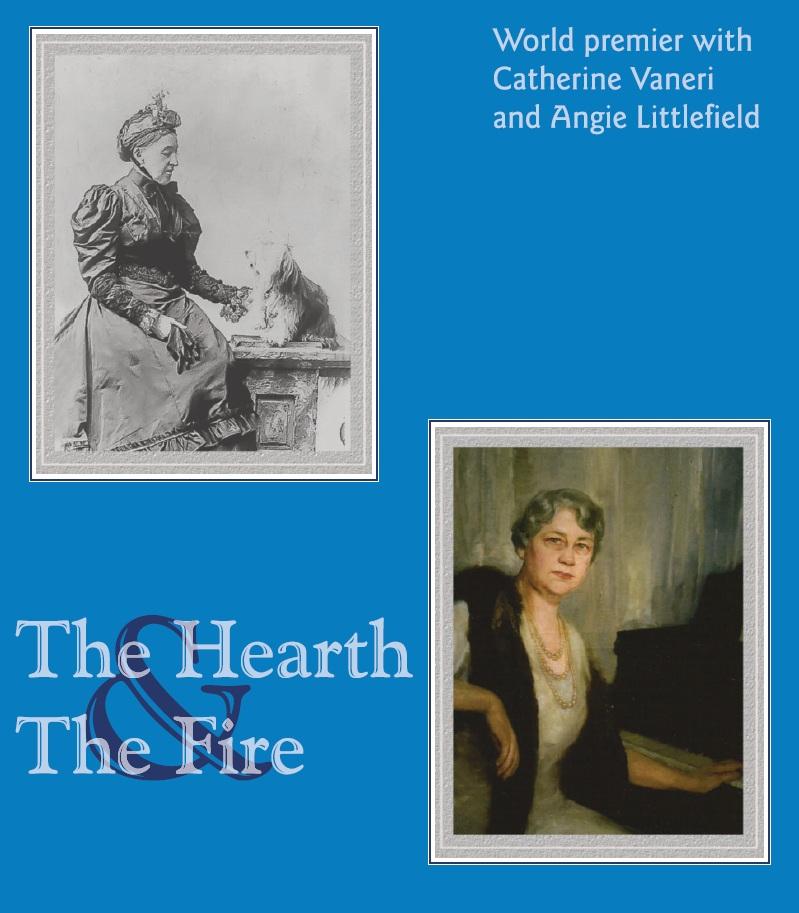
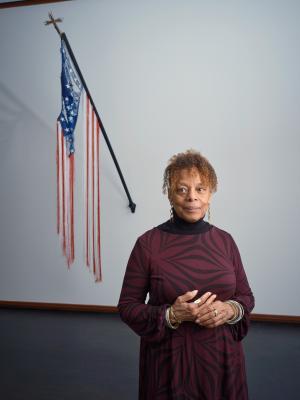
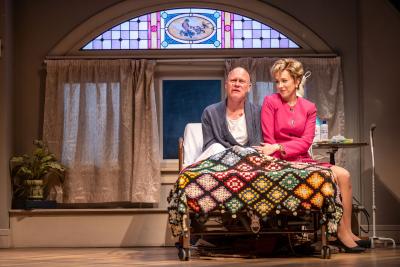
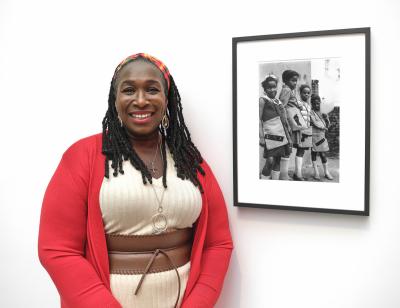
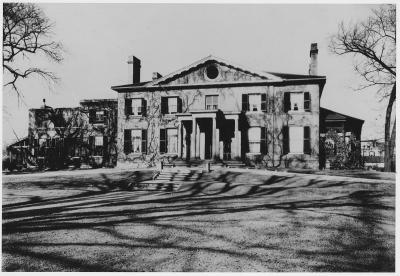
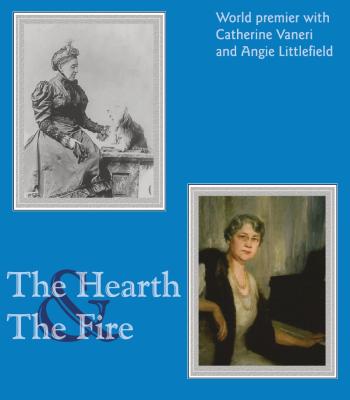
Toronto’s oldest standing brick building and the original home of the Art Museum of Toronto (AGO as it was), the Grange House has been a site for creative conversation and exchange for more than 125 years. On Friday, May 1, as part of the Heliconian Club’s 150th anniversary celebrations of Heliconian Hall, Club president Angie Littlefield and actor Catherine Vaneri present a dramatic encounter between two of Toronto’s most influential women leaders from the past – Harriet Dixon Boulton Smith and Mary Hewitt Smart.
Written by Littlefield, this dramatic encounter is fiction, rooted in fact. There is no doubt that these two women knew each other and that their spheres of influence overlapped in many ways.
Foyer caught Littlefield and Vaneri on their way to rehearsal to learn more about what is in store.
Foyer: Set the scene for us: what can visitors expect to see?
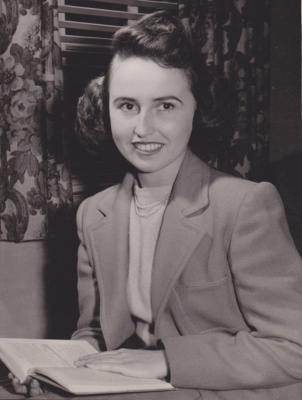
Littlefield & Vaneri: It is a dramatic dialogue set in 1909 -- a fictionalized final encounter between Harriet Dixon Boulton Smith, age 84, mistress of the Grange House, and musician Mary Hewitt Smart, aged 52. Both women sense that, due to Harriet’s health, this may be their final meeting.
Independently wealthy, Harriet arrived in Toronto from Boston in 1846 and held court over one of Toronto’s most influential salons for more than 50 years. Mary Hewitt Smart was a vocalist, a teacher at the Toronto Conservatory of Music, and a central figure in Toronto’s musical community. In 1898, she co-founded the Women’s Musical Club of Toronto, which created new opportunities for women performers in the city’s concert life.
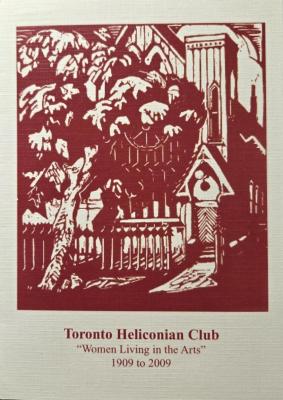
In January 1909, Smart also became the founding president of the Heliconian Club, an organization bringing together professional women in the arts—musicians, writers, painters, journalists, and dramatists.
Tell us about the inspiration for the title. What is the hearth, and what is the fire?
Well, the hearth is the Grange because it became the first home for the Art Museum of Toronto. And that is all due to Harriet. She was a force to be reckoned with. She was the person who sustained the Grange House and ensured its legacy as the first home of the Art Museum of Toronto. Neither of Harriet’s husbands owned the Grange.
And the fire – that is what Harriet passes to Mary Smart. Amy represents the new guard, in effect. Whereas Harriet was a hostess, welcoming artistic leaders into her private salon, Mary Smart didn’t form a club of women to sit around and talk about the arts. She formed it to support them as professionals.
What is the emotion you hope to stir in bringing these two historical figures into dialogue?
What we are bringing to life is the passing of a torch. I want people to understand that the torch was passed to Mary on purpose. Harriet knew that Mary would do right by the next generation (among them Harriet’s own nieces) and knew that Mary’s ambition to support a new class of professional women was the right step forward.
Looking beyond the events of the dramatization, what role does the AGO play in that leap forward?
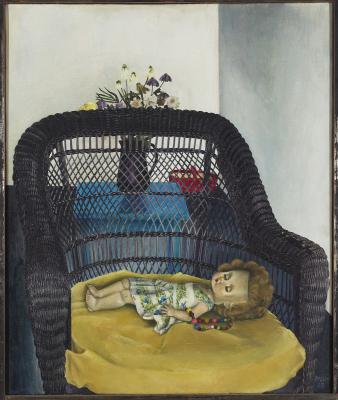
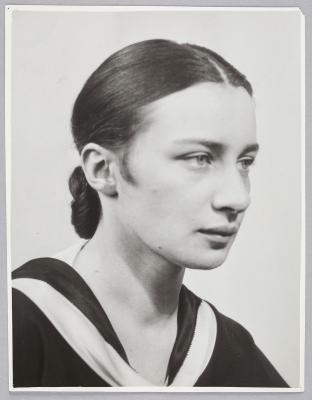
Mary Heister Reid, Mary Wrinch, Dorothy Stevens – many of Toronto’s most influential women artists, whose legacies are embedded in the history of the AGO, have also been members of The Heliconian Club. Stevens was president in 1919 and Isabel McLaughlin, the first female president of The Canadian Group of Painters, poured a lot of funds into the maintenance of Heliconian Hall.
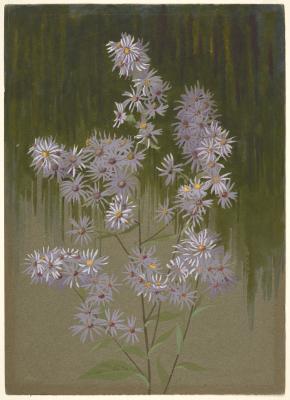
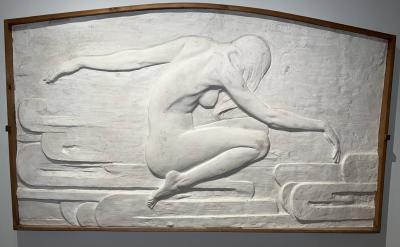
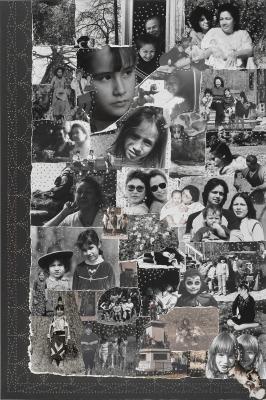
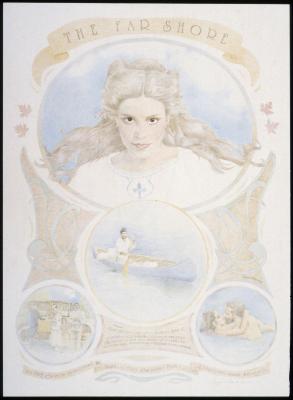
But it is also notable that the current exhibition on view at the AGO, The Heliconian Club: Women Living in Arts, is in fact the first exhibition of works by Heliconian members from the AGO Collection ever mounted together.
What do you account for the enduring success of the Heliconian Club, for its fire, in an era when so many civic societies are fading?
The club was born not in opposition to the Arts & Letters Club, but as a bastion. And that spirit continues. We live in a society where women are working and looking after families; they don't have the time to do the things they used to do in the past, and volunteerism is dying. As president, I promote volunteerism as central because we are all owners, responsible for our bastion, 150-year-old Heliconian Hall. Right now, we have about 120 members. We are probably the only building in Toronto, maybe in all of Canada, owned by 120 women. And, we want to keep owning it because it’s a treasure just like the Grange is.
Don’t miss The Hearth & The Fire, a dramatic reading, part of the Heliconian Club 150th celebrations happening on Friday, May 1, from 6:30 pm to 8 pm in Walker Court. This event is free with General Admission. For more details, visit ago.ca/events/evening-heliconian-club