Jan 13, 2026
Remembering Jeanne Parkin
Revisit this interview with the art collector and champion for contemporary art
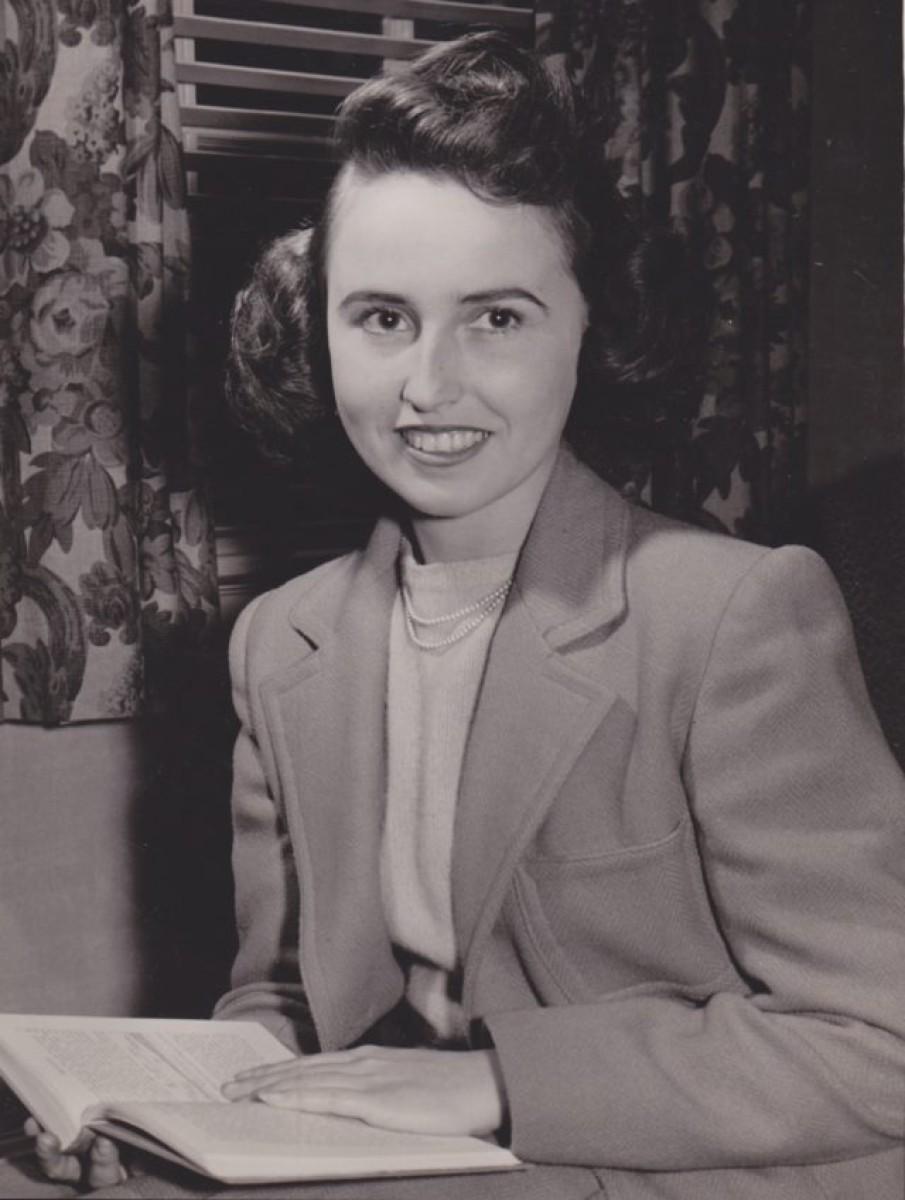
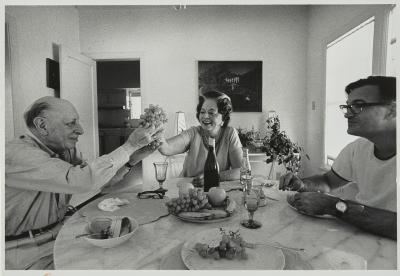
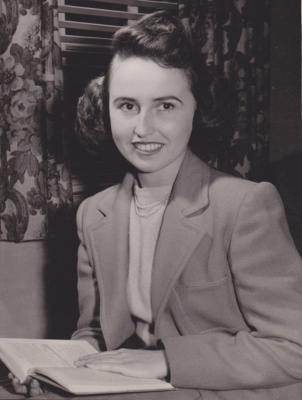
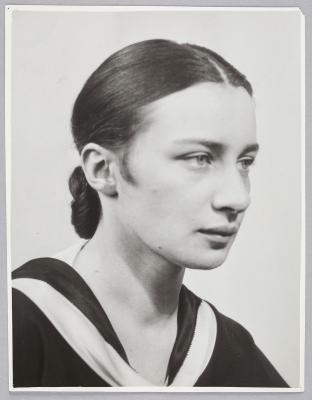
Jeanne Wormith as a University of Toronto student in the early 1940s.
Jeanne Parkin (1922-2025) lived a remarkable life filled with art. Her impact on the AGO and on the broader landscape of art in Canada was profound. Parkin’s decades-long journey with AGO began in 1947 when she started working for the Gallery. Over time, she became a tireless advocate for modern and contemporary art as an educator, curator, consultant, and collector.
Following her passing in December 2025, shortly after her 103rd birthday, Foyer revisits this 2019 interview. Parkin generously shared insights into her fascinating life, which was deeply intertwined with the formative years of the AGO, and the advice she’d give to aspiring art collectors. We extend our condolences to her family and friends.
“You can never look at too much art. The more you look, the more you understand.”
Small in stature but big in personality, Jeanne Parkin is a dynamic force to be reckoned with. A steadfast advocate of contemporary art, Parkin has long been established as one of Canada’s most important art ambassadors and art consultants.
Parkin (née Wormith) was born in Toronto on December 8, 1922. In 1947, not long after receiving her M.A. in Art History from Radcliffe College at Harvard University and training at Fogg Museum, she began working at the Art Gallery of Toronto (now the Art Gallery of Ontario) as the head of Circulating Exhibitions and Adult Education. During this time, she began establishing herself as an educator and passionate advocate for contemporary art in particular. Along with curating several exhibitions, she co-founded the Art Rental department as an educational tool, creating access to art for those who wouldn’t otherwise have the opportunity.
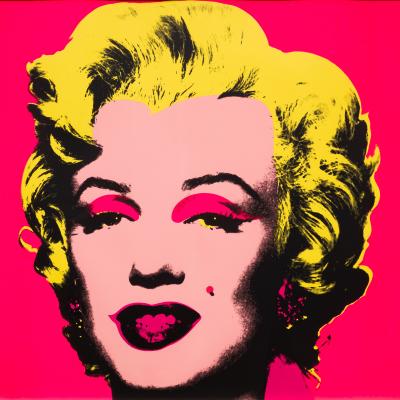
From 1954 to 1974, Parkin played a pivotal role on the Gallery’s Women’s Committee, helping to acquire several iconic works for the AGO Collection, including Andy Warhol's Elvis I and II (1964), and Mark Rothko's No. 1 White and Red (1962).
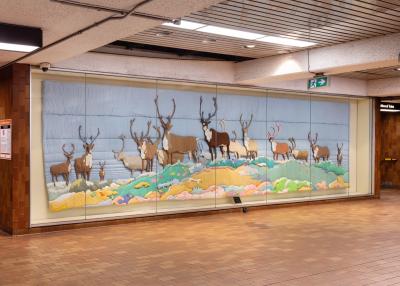
In 1975, Parkin founded her firm, Jeanne Parkin Arts Management Ltd., to advise private, corporate, and public art collectors. Her endless work in the art world continued to spread into the streets of Toronto during the 1970s, when she commissioned work by Joyce Wieland, Louis de Niverville and other artists to be incorporated into the construction of nine stations on the new TTC Spadina subway line. This experience encouraged her to write a groundbreaking book, Art in Architecture: Art for the Built Environment in the Province of Ontario, published in 1982.
Foyer: You were among the first employees at the Art Gallery of Toronto. Can you tell us about your experience?
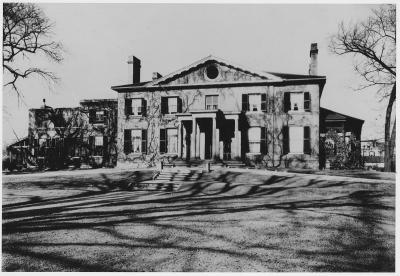
When I first started working at the Gallery, we were a staff of ten; all multi-taskers; everyone stepped up to the plate wherever needed. We were like a little family. We worked in The Grange and broke for tea at 4 pm. There were no offices, and I sat in the corridor. It was all quite rudimentary, but very civilized. My official job was Head of Circulating Exhibitions with Adult Education thrown in. As such, most of my time was spent in the basement in Shipping and Receiving, where I produced the exhibitions, or upstairs, personally running the film projector.
Later on, when I retired to have a family, I joined the Women’s Committee, a very savvy group of knowledgeable volunteers. We were an essential adjunct to the Gallery. We worked our butts off and we loved it. Fundraising, via the Gallery Shop plus endless imaginative special projects, was a top priority. We also mounted a number of exhibitions, like Five Lyrical Colour-Field Painters and Plastics, which was an experimental exhibition. A large chunk of our money-raising went towards purchasing major art of the New York School, led by a small group of trained Women’s Committee members. Of course, everything we bought had the blessing of the Gallery’s curator. That core collection has since become legendary.
You’ve been a consultant for many corporations and private collectors. What advice would you offer to someone looking to get started in building a collection?
My advice would be to see as much art as possible. Be curious; don’t just go for “candy”- you’ll outgrow it. Push yourself, educate yourself, and never be satisfied. Don’t expect to build a collection quickly – it takes time. And always have fun.
You have such an incredible contemporary art collection. Do you have a favourite artwork?
Right now, I would say one of my favourite, most important works is ANTICHRIST 1980 by the collaborative duo Gilbert and George. I bought it in 1981. I actually went to the location where this image is from – in Spitalfields, East London, UK. It’s a black and white image of a church, reflected upside down in water on the street.
Andy Warhol's Elvis I and II, and Mark Rothko's No. 1 White and Red are currently on view in the exhibition Moments in Modernism, on Level 4 of the AGO until April 26, 2026.
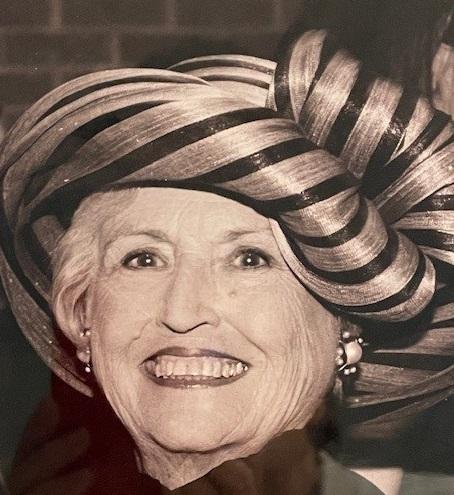
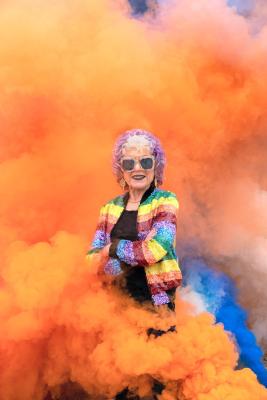
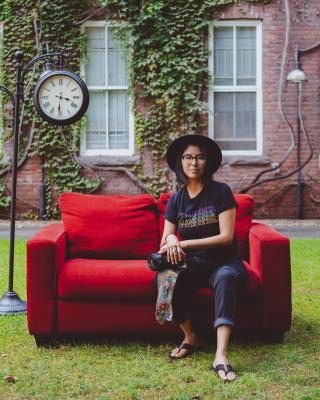
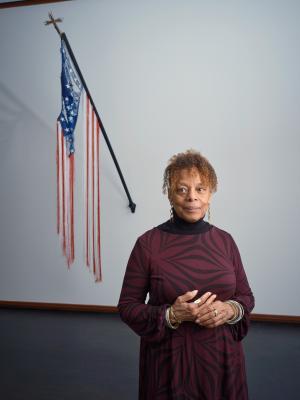
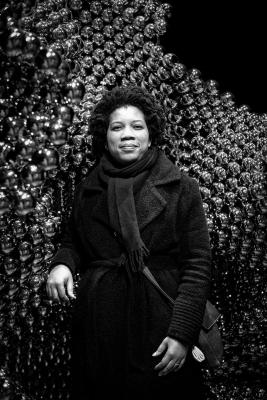
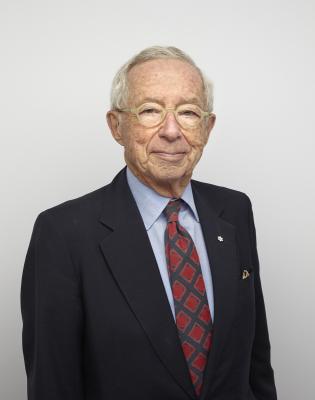
Jeanne Parkin.