Apr 8, 2026
How The Beatles Shaped Fashion
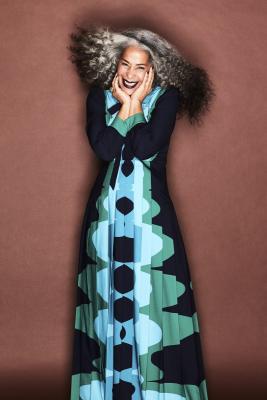
On April 19, Canadian author Deirdre Kelly will discuss Beatles fashion at the AGO
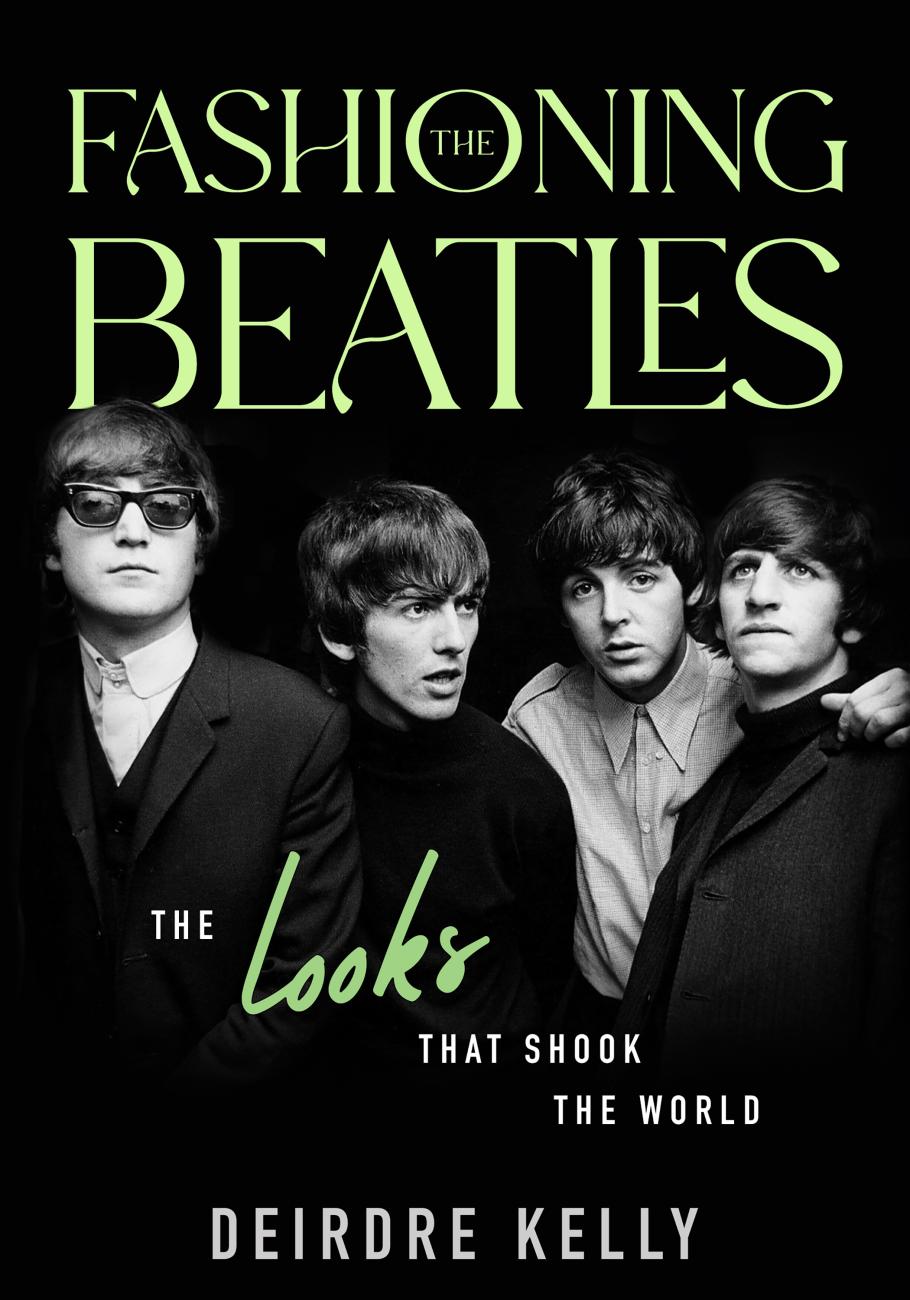
Image courtesy of Deirdre Kelly
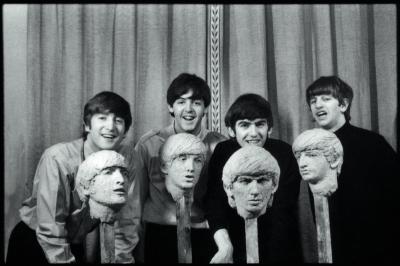
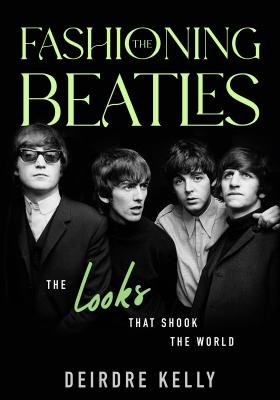
When people think of The Beatles, they often think of music, fandom, and cultural impact. According to acclaimed Canadian author Deirdre Kelly, they should also think about fashion. She describes her latest book, Fashioning The Beatles: The Looks That Shook The World, as “an in‑depth exploration of [The Beatles'] clothing as a visual biography and as a reflection of a transformative decade.” From collarless jackets to lace and florals, Kelly’s bestselling book is a comprehensive document of the Fab Four’s fashion legacy.
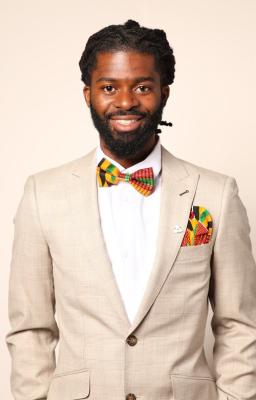
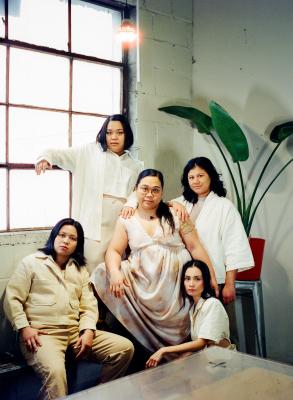
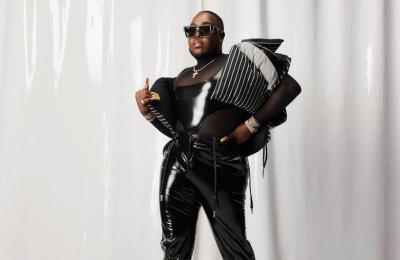
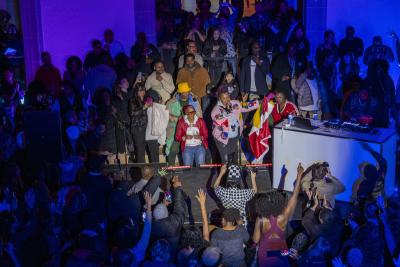
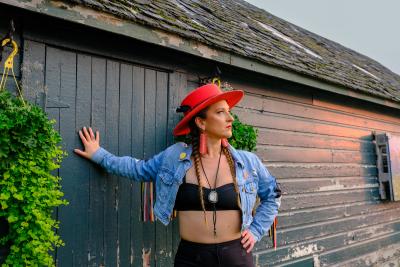
On April 19, Kelly will appear live at the AGO for a conversation exploring how The Beatles’ distinctive style continues to shape contemporary fashion. The panel discussion titled The Beatles Never Went Out of Fashion, brings together Kelly; Joey Gollish, creative director of Roots and founder of Mr. Saturday; Toronto designers Lori Marcuz, Catherine Robinson and Annie McDayter of Call and Response Clothing; and fashion designer and advocate David Dixon. Together, they will reflect on the lasting influence of The Beatles’ visual identity and its relevance for designers today.
Kelly has been covering arts and culture since 1985 as a Globe & Mail dance critic, pop music critic, fashion reporter, columnist, and investigative journalist. Foyer spoke to Kelly to learn more about The Beatles and fashion.
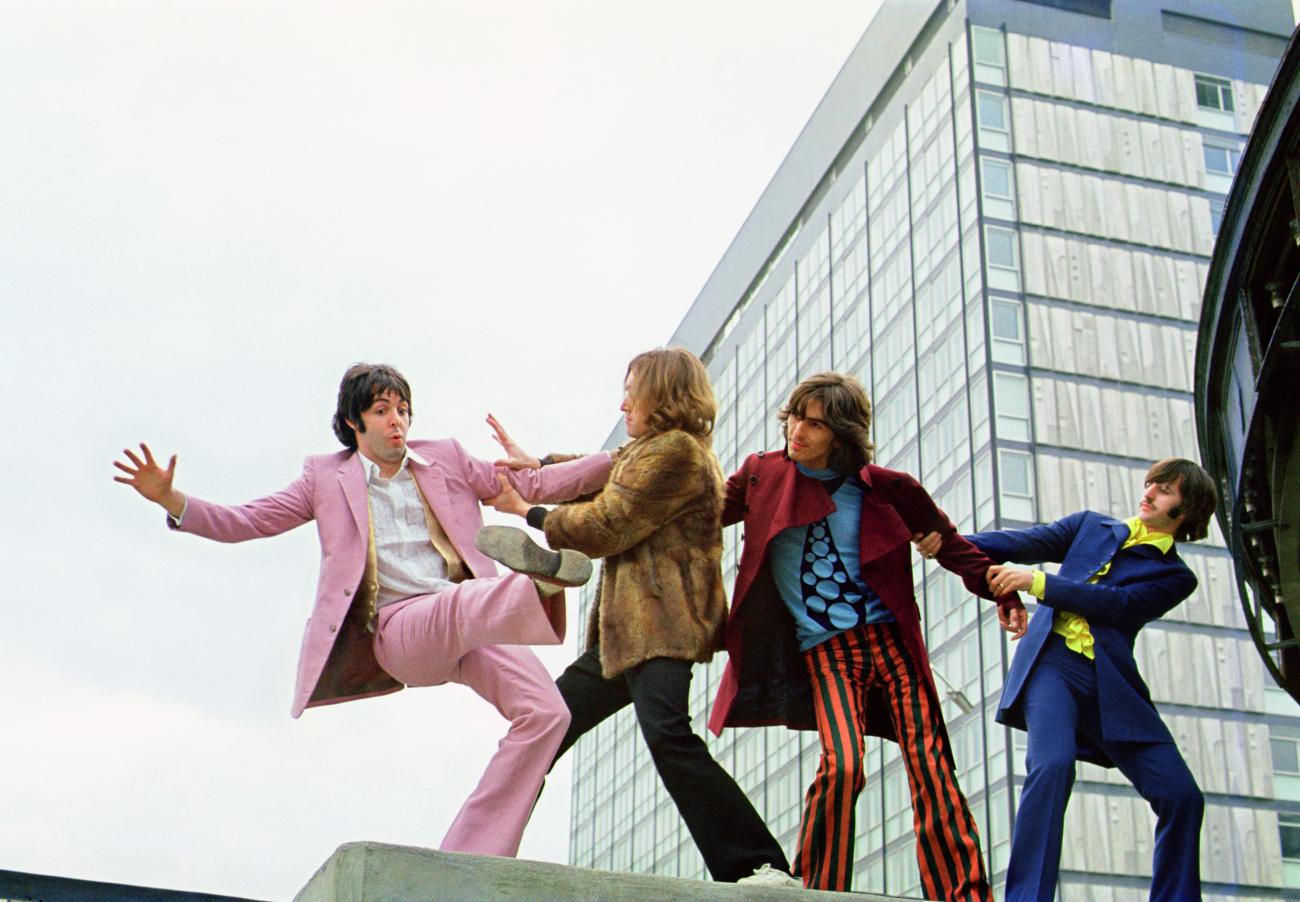
Image courtesy of Deirdre Kelly
Foyer: When did you first become interested in the fashion legacy of the Beatles? How did that interest blossom into an idea for a book?
Kelly: I can say without exaggeration that I’ve been interested—no, obsessed—with Beatles style since childhood, well before the age of ten. I was born in Canada, but when I was five, I was sent to Derry, Northern Ireland, to live with my grandparents.
In Ireland, I regularly watched Top of the Pops, absorbing the swirl of pop fashion saturating British television. I don’t recall seeing the Beatles perform there, though of course, they did, but I certainly absorbed the style constellation that surrounded them. I even persuaded my put-upon grandmother to buy me high‑heeled shoes. It was because the Beatles wore Cuban‑heeled boots, wildly fashionable for men then, though the look even filtered down to little girls. When I returned to Canada at six, I strutted down my neighbourhood street clicking those heels and thinking, Ringo is going to love these. I kid you not.
So, the seed was planted early and has continued to grow, something personal at first, now also an intellectual focus of study. But never in a million years did I think I would actually write about it. Credit goes to my husband, who—aware of my lifelong fixation (how could he not be?) —one day said that my next book should be on the Beatles. I laughed and said, “In my dreams. What could I possibly say about the Beatles that hasn’t been said before?” I was working as a fashion reporter at The Globe and Mail at the time, fretting over a story, and added jokingly, “Unless it was about their fashion.” The second I said it, lightning struck.
I realized, having read almost everything written about them, that no one had examined their fashion within the broader cultural, social, political and artistic landscape that was shaped and was shaped by them. To my astonishment, it hadn’t been done before, not in the way I envisioned it
Considering the various eras of Beatles fashion that exist (both as a group and as individuals), is there a particular look or article of clothing that you consider their most significant contribution to fashion history?
That’s almost as impossible as naming a single favourite Beatles song—you can’t choose just one. But I can trace some of what made their style revolutionary.
They didn’t invent long hair for men—by “long,” I mean brushed forward over the forehead, which in their day was considered déclassé—but they made looseness and length fashionable for men everywhere. That alone was a seismic shift in masculine style in the 1960s, one that still reverberates today.
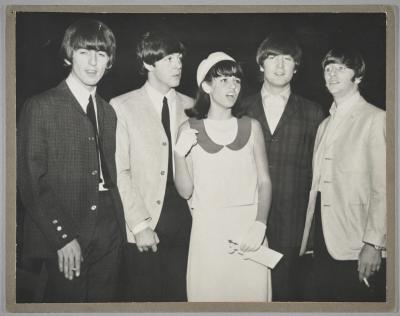
They were also among the first to blend street style with tailored suiting: narrow trousers, velvet collars, drainpipe proportions, all drawn from postwar Teddy Boy fashion. The Beatles also introduced androgyny into men’s wardrobes with remarkable confidence—pink, purple, frills, lace, satin, florals—jackets, trousers, vests—as part of their visual vocabulary. George Harrison is even credited with inventing acid‑wash jeans during the filming of Help! in 1965.
They popularized the collarless jacket, brought “East meets West” into mainstream dress and made peacock preening utterly acceptable for men. Hippie chic, military, Americana and unisex style, combined with British tailoring, Carnaby Street and vintage market finds — a high-low fashion sensibility that continues to have currency.
But perhaps their greatest contribution wasn’t a specific look— it was an idea. The Beatles brought to clothes the same intrepid curiosity and creativity they brought to music. Their legacy is the manifesto that boring and predictable were never options. They dressed fearlessly and experimentally outside fashion to invent their own evolving style, a language of self‑expression that still echoes through how we dress today.
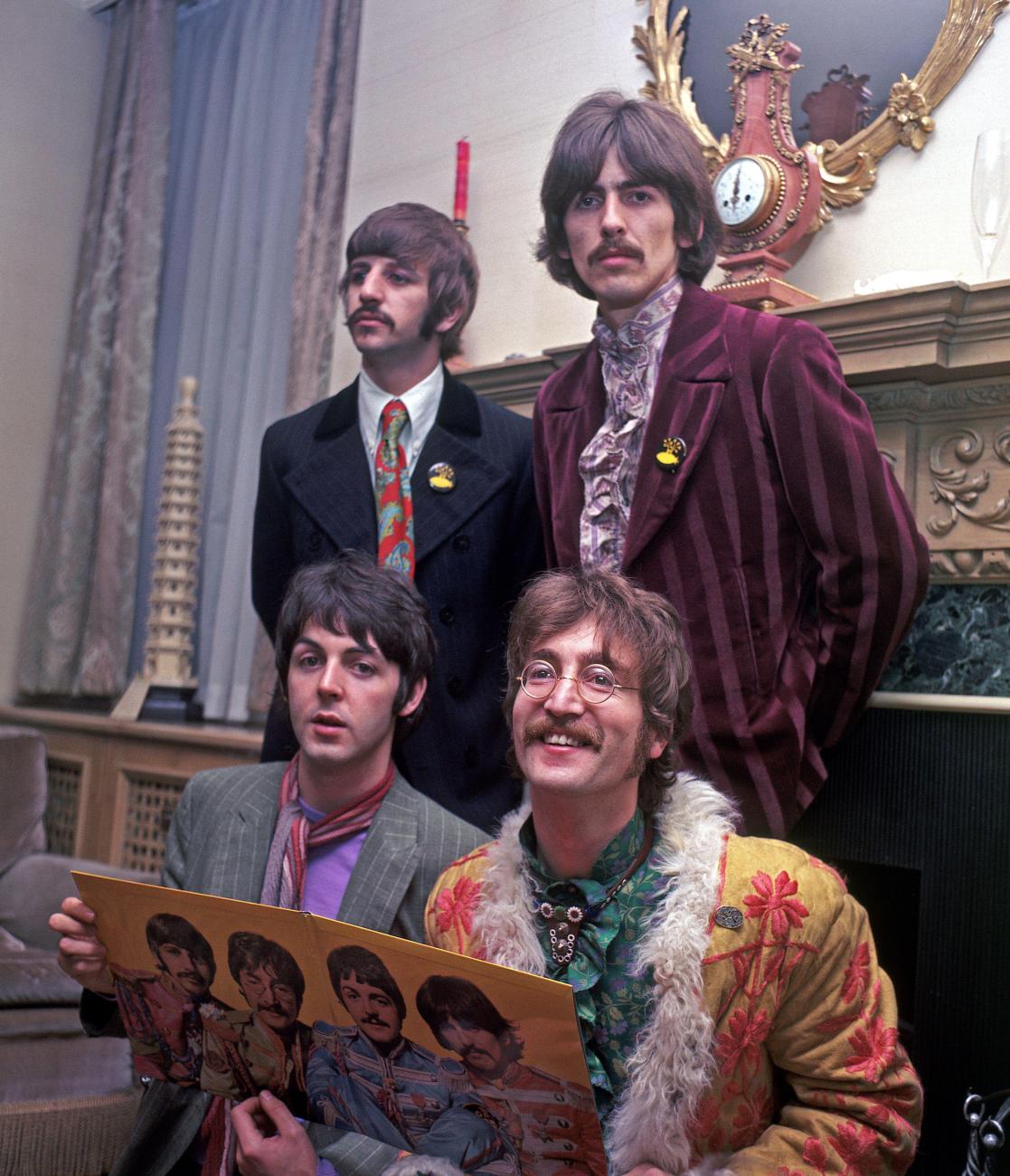
Image courtesy of Deirdre Kelly
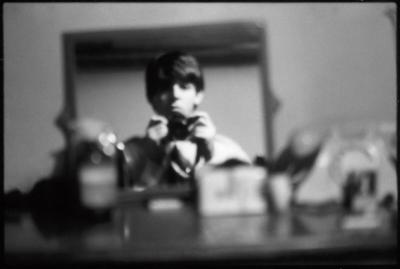
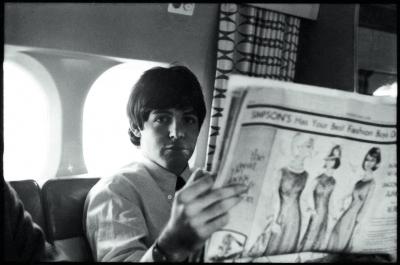
Considering the exhibition Paul McCartney Photographs 1963–64: Eyes of the Storm, what can you say about McCartney’s approach to fashion as an individual? Are there any looks or eras of Beatles fashion you associate specifically with Paul?
Paul McCartney’s approach to fashion can best be described as stealth style: quietly avant‑garde, confidently subversive, never loud but always purposeful. He’s the Beatle who could wear bright yellow socks—or none at all, as he famously did walk barefoot across Abbey Road—and make it seem both spontaneous and deliberate. In the 1960s, he flirted openly with feminine dress, and he still carries that same blend of understatement and boldness in his dress today. He remains trim, elegant and thoughtful about image. I love that he wore his A Hard Day’s Night suit to the premiere of Ron Howard’s Eight Days a Week in 2016, and of course, he’s a perennial presence in the front row of Stella McCartney’s shows. That combination of restraint, wit and confidence in how he presents himself—stealth style in its purest form—is quintessentially Paul.
Through my years of researching Fashioning the Beatles, I saw how this instinct for self‑presentation shaped everything around him. When he joined John Lennon’s Quarrymen in the late 1950s, it was Paul who insisted they coordinate their outfits, and that he and John dress slightly differently from the others to reflect their growing creative partnership. Later, he proposed tailored lavender jackets for Hamburg, supported Brian Epstein’s push to return to suits for television, and encouraged every stage of the group’s reinvention, from Sgt. Pepper to the White Album to Get Back.
The Beatles Never Went Out of Fashion is on Sunday, April 19, in the AGO’s Baillie Court. Tickets are available for puchase here.
Paul McCartney Photographs 1963–64: Eyes of the Storm has been organized by the National Portrait Gallery, London, England, in collaboration with Paul McCartney. It is curated by Sir Paul McCartney with Sarah Brown for MPL Communications and Rosie Broadley for the National Portrait Gallery. The presentation at the AGO is organized by Jim Shedden, Curator, Special Projects & Director, Publishing.
AGO Members see Paul McCartney Photographs 1963–64: Eyes of the Storm first, beginning February 18, 2026. AGO Annual Passholders can access the exhibition beginning February 27, 2026. The exhibition opens to the public on March 24, 2026, and is free with general admission. The exhibition will be on view on Level 5 of the AGO from February 18, 2026, to June 7, 2026. The book 1964: Eyes of the Storm is available for purchase online and in-store at Shop AGO while quantities last.
Presented by Bloomberg Connects, a free digital app, the audio tour is available as of February 18. To access the audio guide, click here.