Oct 28, 2026
From Origins to Liberation: Sunday Best
The five thematic sections that make up the exhibition on view now at the AGO
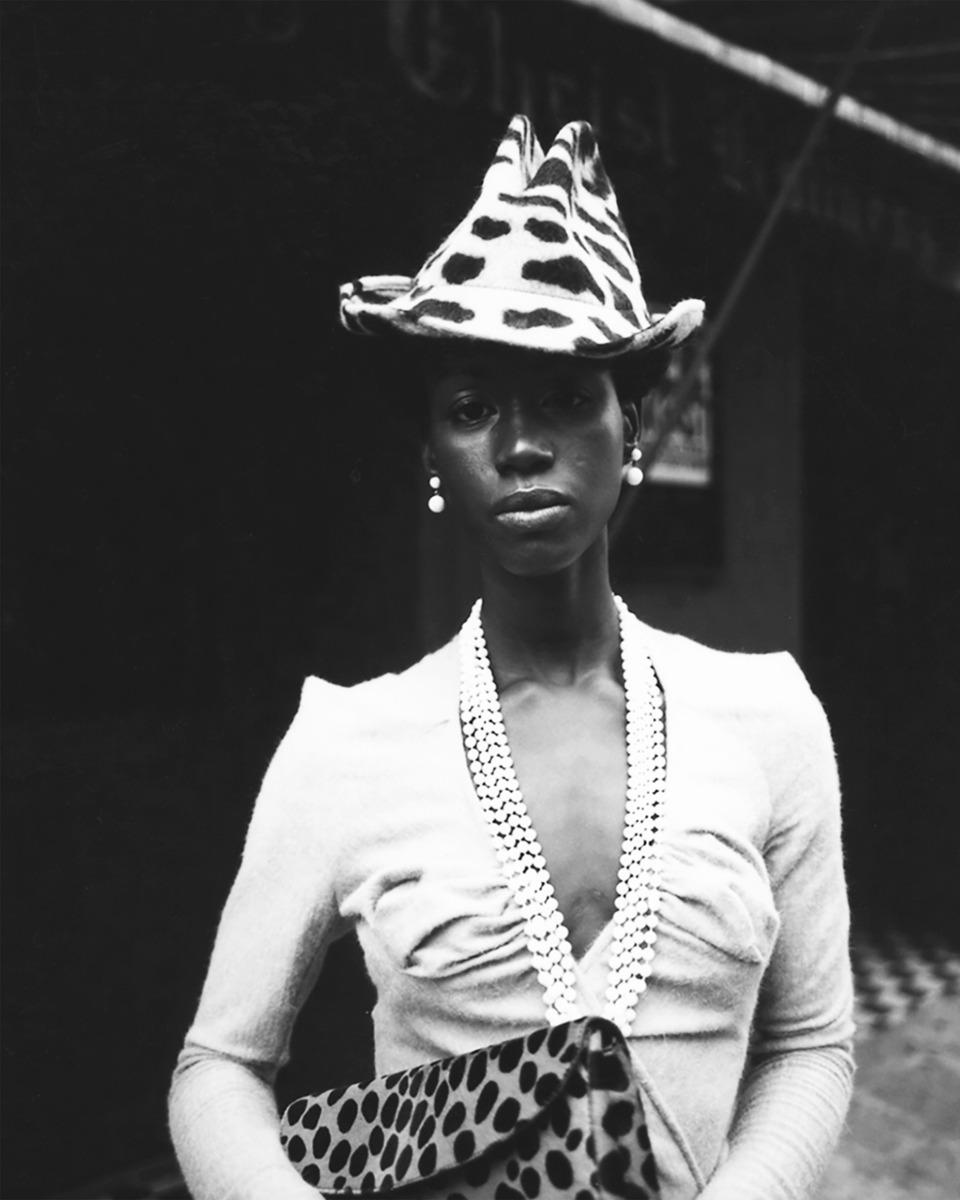
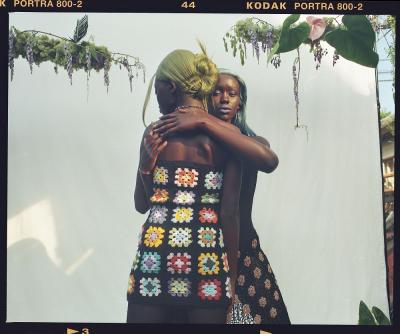
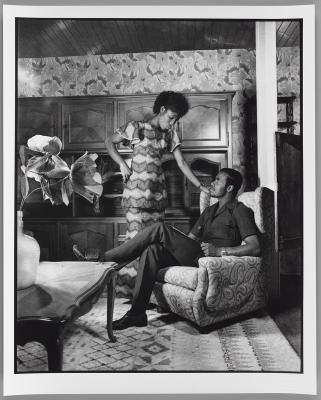
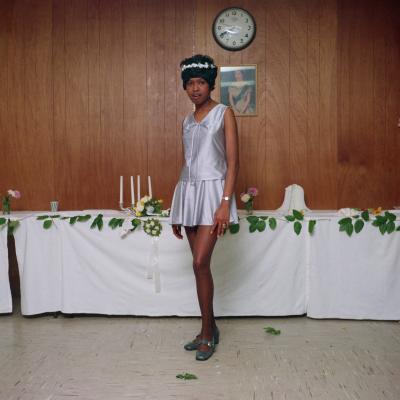
Melodie McDaniel. Photograph 1, from Sunday Best Series, Harlem, NY. 1995 © Melodie McDaniel
“By situating Black style within histories of enslavement, religious life, migration, and liberation, this exhibition reveals the political conditions out of which new aesthetic narratives emerged.” - Julie Crooks, Curator, Arts of Global Africa and the Diaspora, AGO
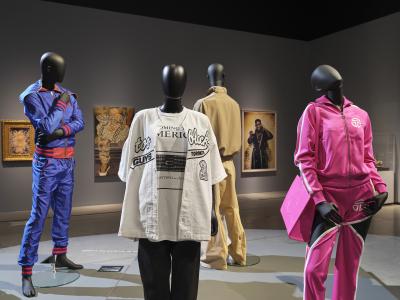
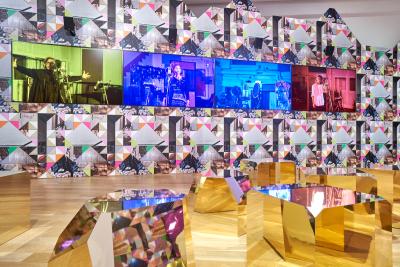
On view now at the AGO, Sunday Best: The Power and Glory of Black Style celebrates sartorial innovation across generations of the global African Diaspora. The landmark exhibition brings together over 50 historical and contemporary garments alongside a range of visual art, ephemera, accessories, and time-based media from Canada, the United States, the United Kingdom, and the Caribbean. Three looping soundscapes weave Gospel, R&B and Gospel House music together, adding auditory accompaniment to the exhibition.
Organized into five thematic sections – Origins, Church, Migration, Liberation and Call & Response – Sunday Best invites visitors to explore the many ways self-fashioning has served as a powerful tool for self-expression, activism and community building.
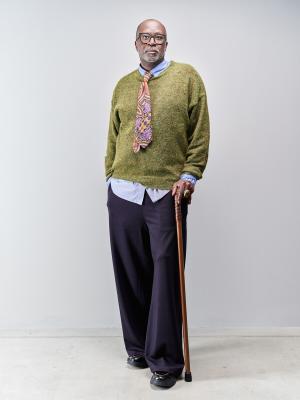
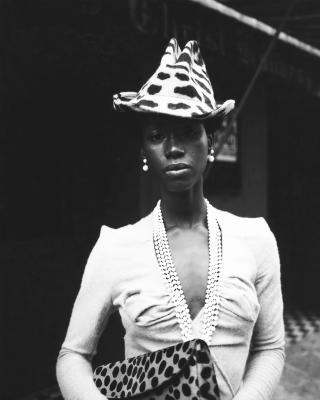
In addition to the primary sections of the exhibition, Sunday Best features smaller galleries dedicated to journalist and fashion icon André Leon Talley, Black Canadian model Linda Carter and 1960s musician Jackie Shane. Included among the long list of renowned artists with works on view are Harlem Renaissance photographer James Van Der Zee, fashion designer Christopher John Rogers and contemporary artist Sasha Huber.
Learn more about the inspiration and history behind each of the exhibition’s sections and take a closer look at one featured work from each.
Origins
As you enter the exhibition, you will encounter a section of works that harken back to the history of the transatlantic slave trade and the origins of “Sunday Best”.
Enslaved people in the Americas were given only a small allotment of cloth to make their own garments. Many reserved their best clothing for Sunday—the only day designated for rest, worship, and gathering.
Through careful self-fashioning, people of African descent asserted their humanity in the face of oppression. This legacy can be seen in the lives of Anna Murray Douglass, Frederick Douglass, and Elizabeth Keckley, who used dress as a tool for liberation, activism, and self-expression. It is enshrined in the paintings and garments on view in the Origins section.
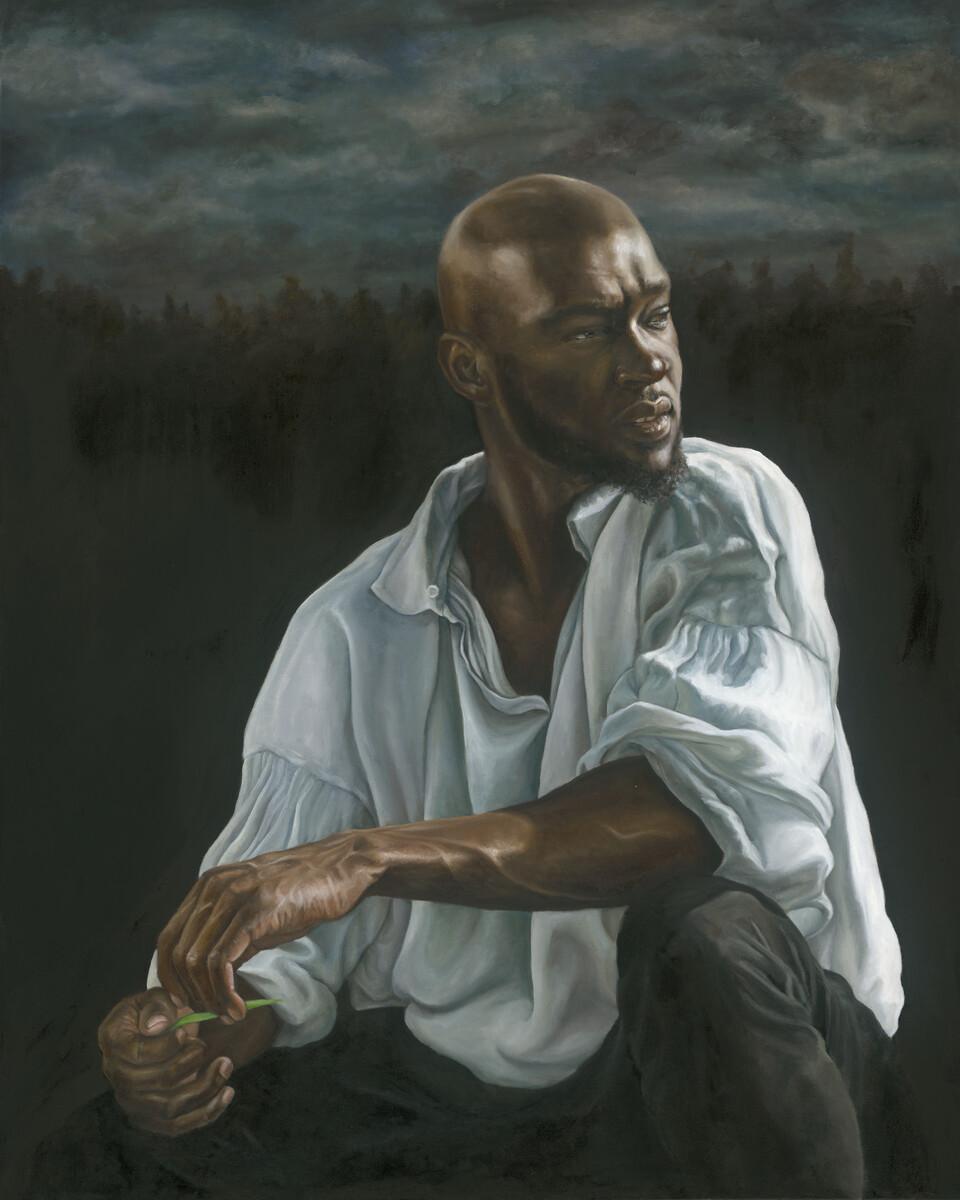
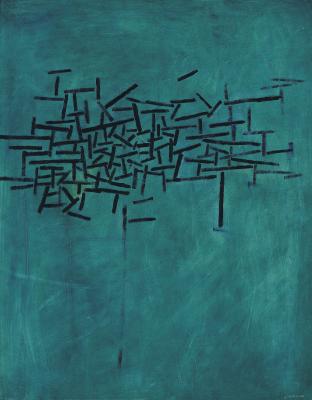
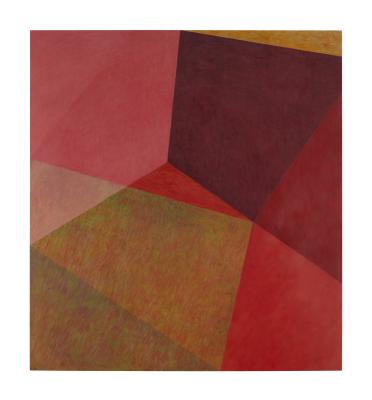
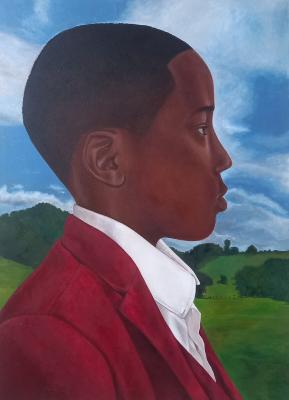
Gordon Shadrach, Season Opener, 2021. Oil on Canvas, 114.3 × 91.4 × 5.1 cm. Collection of Dr. John MacLeod and Shaun Jackson courtesy of United Contemporary. © Gordon Shadrach
Gordon Shadrach’s 2021 oil painting Season Opener is on view as part of the Origins section, in the Michael & Sonja Koerner Gallery (gallery 502).
Church
Located in the same gallery, the next section explores the long, vibrant tradition of stylishly gathering on Sunday morning. The term “Sunday Best” originates and is most commonly associated with the practice of dressing well to attend church and special occasions. Garments in this section are from the personal collections of Lana Turner, Sandra Sandy, and Ann Marie Davis and show the creative ways in which church clothing has evolved while remaining rooted in history.
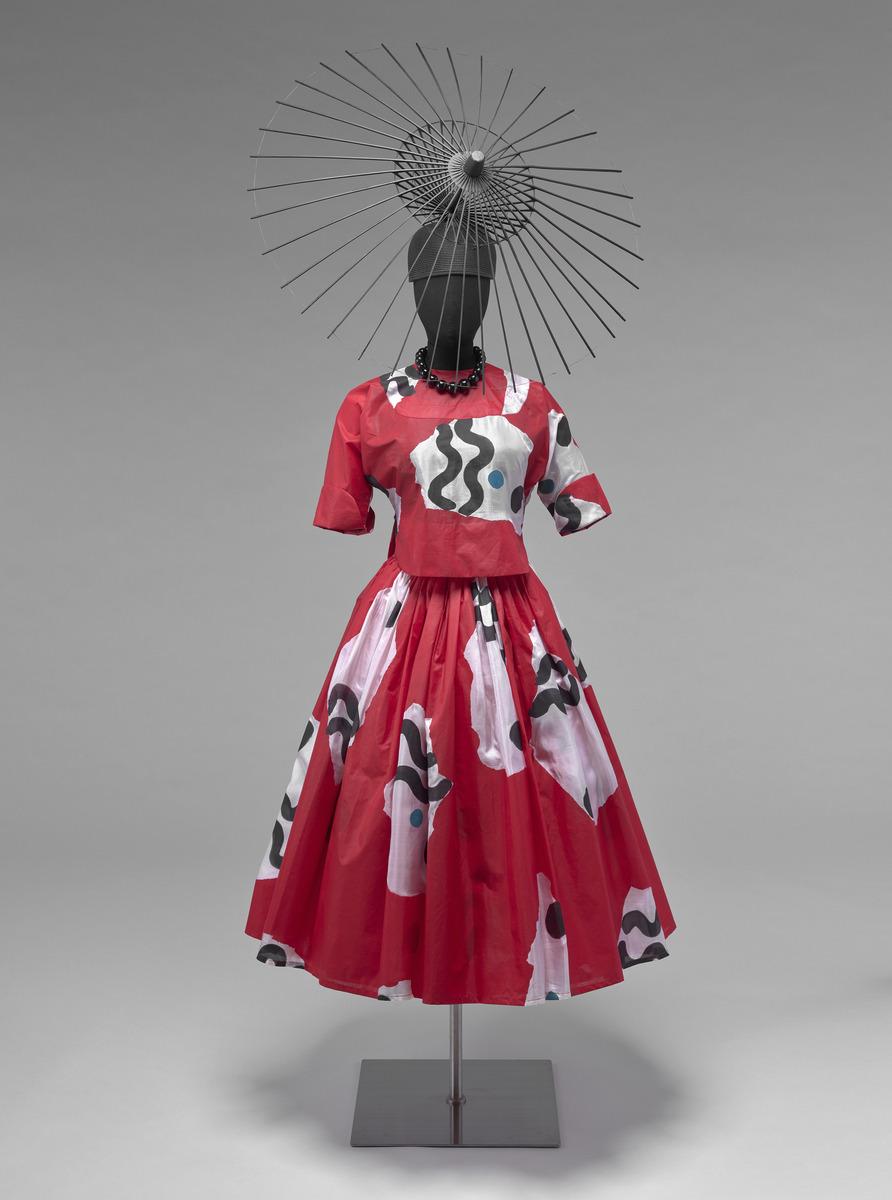
Geoffrey Holder. Red fitted top and flared skirt [Ensemble 1], 1980s. Polyester and Silk, fabric sourced by Geoffrey Holder, ensemble designed by Lana Turner. Collection of Lana Turner.
Originally worn by Lana Turner, this red fitted top hat and flared skirt ensemble by renowned director and costume designer Geoffrey Holder is on view in the Church section in the Michael & Sonja Koerner Gallery (gallery 502).
Migration
The next section consists mostly of photography and explores two significant periods of African diasporic migration during the mid-20th century.
Between the late 1940s and the 1970s, thousands of Caribbean migrants travelled to England, the United States, and Canada. Between 1910 and 1970, millions of African Americans moved from the rural South to large cities in the “Great Migration.” For both waves, their style projected self-respect and confidence, despite the realities of racism and exclusion. Formal dress became a visual expression of mobility, aspiration, and a form of armour.
Wearing their finest suits, dresses, hats, gloves, and matching accessories, they arrived determined to make a strong first impression. Their style projected self-respect and confidence, despite the realities of racism and exclusion.
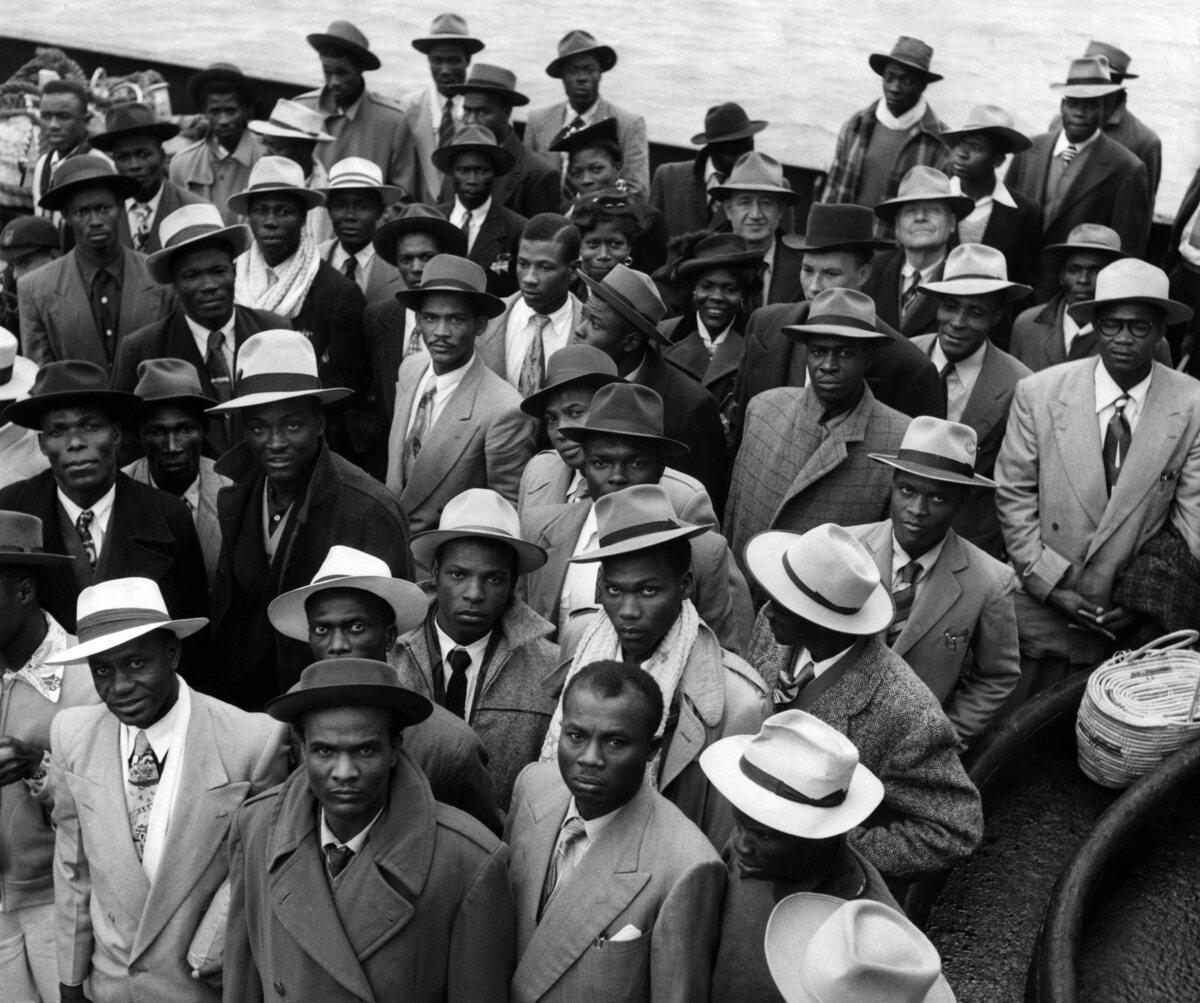
Unknown, Arriving into Southampton, 1 May 1954, printed 2020. Gelatin silver print, 41.9 × 58.4 cm. Collection of Autograph, London.
Taken by an unknown photographer in 1954, this photograph depicts a group of sharply dressed Caribbean immigrants aboard a boat arriving in Southampton, U.K.
Liberation
Upon entering the Liberation section (gallery 507), you will encounter garments, photographs and works of visual art rooted in the Civil Rights Movement of the 1960s and 1970s. Across the United States, Canada, and England, African American communities marched against anti-Black racism, often dressed in their Sunday Best.
The “Black Is Beautiful” movement emerged as both a cultural and political force, subverting Eurocentric standards of beauty. Acts of resistance also found expression in dance halls, ballroom culture, and queer nightlife.
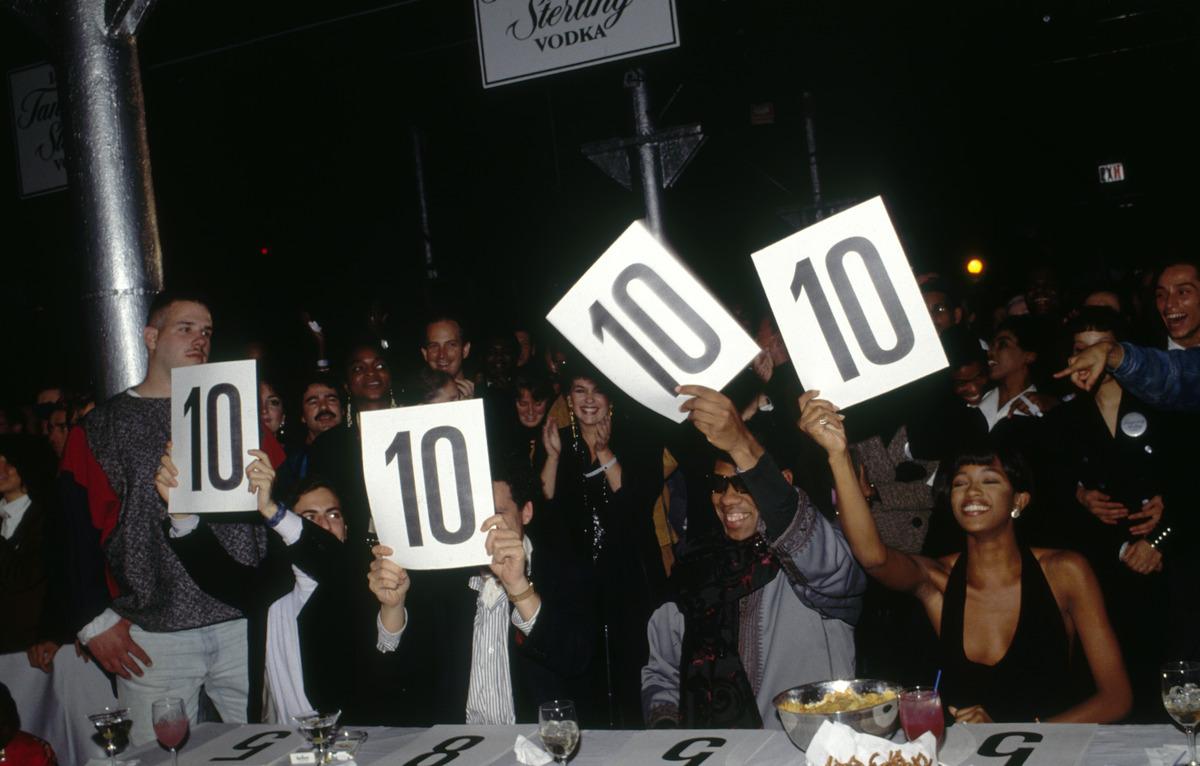
Chantal Regnault. Marc Jacobs, Isaac Mizrahi, André Leon Talley and Naomi Campbell at the Tanqueray Ball AIDS Benefit, Sound Factory, November 1989. Archival pigment print, 40.6 × 50.8 cm. © Chantal Regnault
On view in the Liberation section, this photograph by Chantal Regnault of a ballroom event in 1989, celebrity judges André Leon Talley, Marc Jacobs and Naomi Campbell hold up signs.
Call and Response
The exhibition’s grand finale and final large gallery (Carol & Morton Rapp Gallery, gallery 505), Call & Response, features a range of garments, visual art, photography and video that exemplify how the tradition of Sunday Best dressing has deeply influenced the world of high fashion. Seen on international runways, the refinement and artistry of modern couture owes much to the contributions of African diasporic communities and creatives.
Many of the designers and artists featured in this gallery cite memories of family members preparing for church as a formative source of inspiration. The rituals of grandmothers, mothers, aunts, and uncles dressing for Sunday service helped shape a distinctive aesthetic tradition.
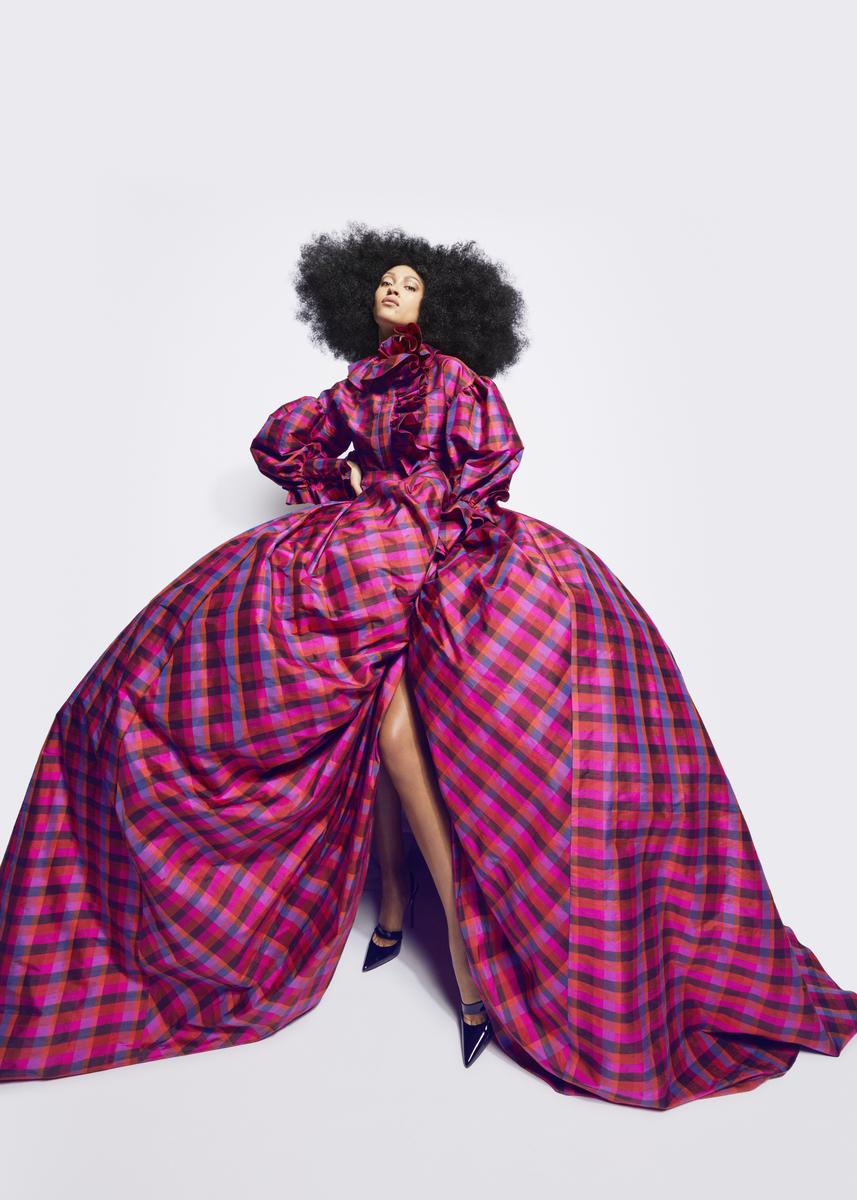
Christopher John Rogers, Ruffled blouse and ball skirt, c. 2020. Photo: Colin Gray. Image courtesy of SCAD © 2020 The Savannah College of Art and Design, Inc.
In a smaller room just outside the exit of the Call and Response section is a grand gown made by fashion designer Christopher John Rogers for his 2020 Fall/Winter collection. Projected on the wall behind the gown is a video from the runway show.
Ending the show on a personal note, Sunday Best’s coda features four monitors rotating family photographs of some of the designers, collectors, creatives, and project team members who contributed to the exhibition.
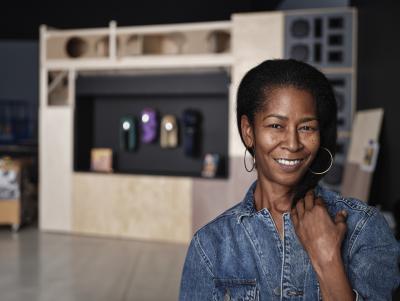
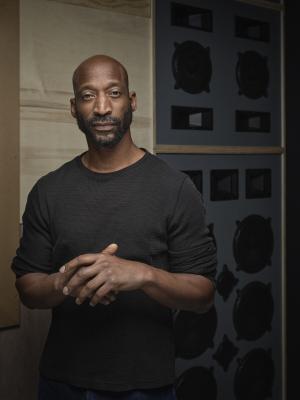
Sunday Best: The Power & Glory of Black Style is on view now until February 28, 2027, on Level 5 of the AGO. On Wednesday, November 18, the AGO will host a panel discussion featuring Rachel Scott, Christopher John Rogers, and Kirk Pickersgill. Moderated by pioneering fashion editor Suzanne Boyd, the panel will reflect on their practices and their garments in Sunday Best.
Available online and in gallery, Sunday Best includes a free 12-stop digital audio guide. Gain in-depth perspectives from designers and other notable figures. To download, scan the QR codes throughout the exhibition, or download the free Bloomberg Connects app and search for AGO.
Sunday Best is conceived and curated by Dr. Julie Crooks (Curator, Arts of Global Africa & the Diaspora, AGO) and Dr. Jason Cyrus (Associate Lecturer, London College of Fashion), with Amanda Bock (The Lynne and Harold Honickman Assistant Curator of Photographs, Philadelphia Museum of Art), and Clare Sauro (Cara Keegan Fry Curator at the Robert and Penny Fox Historic Costume Collection at Drexel University). The exhibition design is in consultation with U.K.-based JA Projects, an architecture and design firm.
Lead Sponsor

Generous Support
Gale M. Kelly
Charles Lesaux, Aaron & Becky Nugent, Ella Nugent
Liza Mauer & Andrew Sheiner
Jack Weinbaum Family Foundation
Contemporary programming at the AGO is supported by